The Golden Globe Awards Entertaining History
The Golden Globe Awards – Origins And Cultural Significance
The Golden Globe Awards have stood as one of the most recognized ceremonies in the entertainment industry, celebrating achievements in both film and television since their inception in 1944. Emerging from the efforts of foreign journalists based in Los Angeles, the awards were designed to highlight cinematic excellence and later expanded to include television as the medium grew in influence. The ceremony has become a central event in the awards season calendar, often seen as a precursor to the Academy Awards. Over the decades, the Golden Globes have reflected shifts in cultural values, industry priorities, and global perspectives on storytelling.
The awards have also faced controversies and transformations, yet they remain a symbol of prestige and recognition. Their history is not only about winners and categories but also about the evolution of entertainment itself. The Golden Globes have consistently adapted to technological changes, broadcasting innovations, and audience expectations. They have been shaped by the organizations behind them, from the Hollywood Foreign Press Association to new management in recent years. The ceremony’s legacy is deeply tied to the international nature of film and television. Understanding the Golden Globes requires examining their origins, milestones, and the broader cultural context in which they operate.
Early Beginnings – The First Ceremony
The Golden Globes began in January 1944 with an informal ceremony held at 20th Century Fox studios. Awards were initially presented in the form of scrolls rather than statuettes, marking a modest start for what would become a global event. Jennifer Jones won Best Actress for The Song of Bernadette, while Paul Lukas received Best Actor for Watch on the Rhine. The Best Film award also went to The Song of Bernadette, establishing the ceremony’s credibility from the outset.
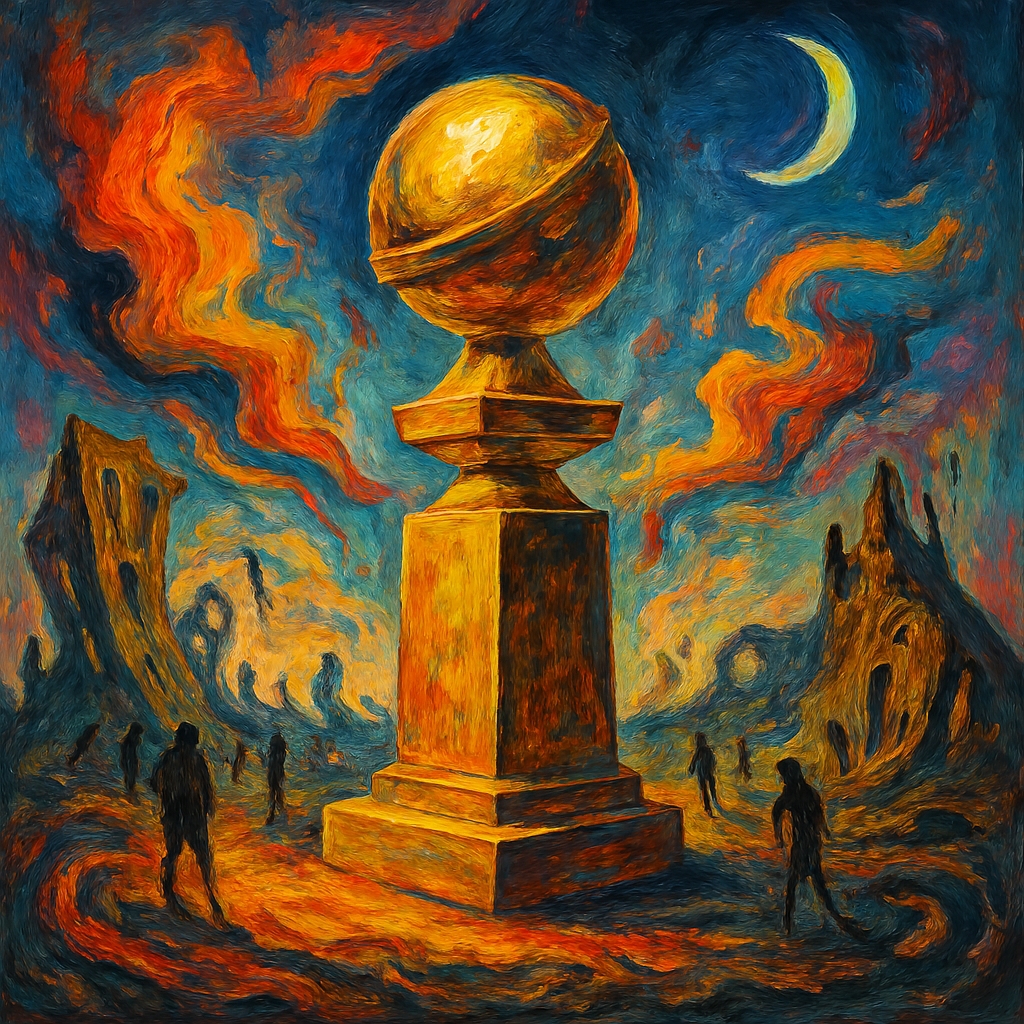
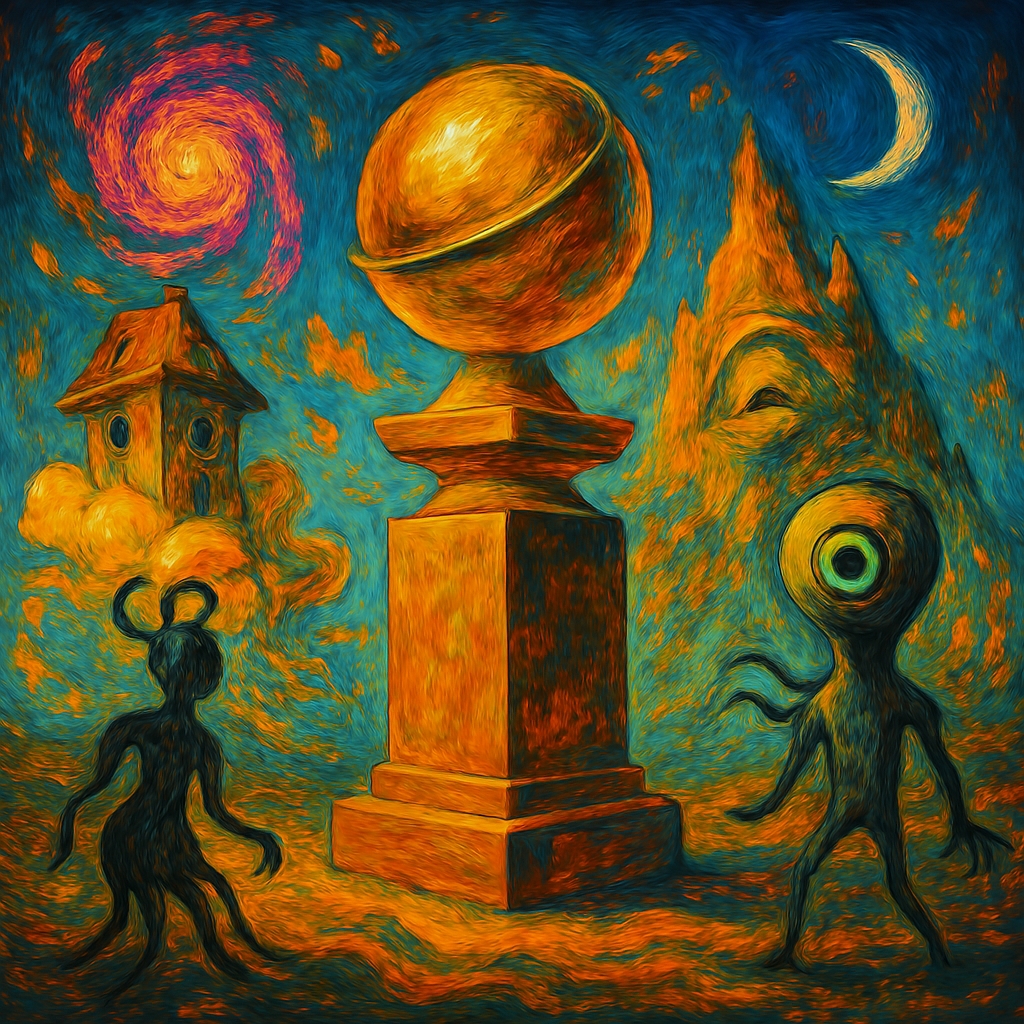
In 1945, a contest was held to design a permanent award, resulting in the iconic golden globe mounted on a pedestal. This symbol represented the international scope of the awards and remains central to their identity. The ceremony quickly gained traction among Hollywood professionals, offering recognition from an international perspective. By the late 1940s, the Golden Globes had become an annual fixture, attracting greater attention from studios and audiences. The awards reflected the growing importance of cinema as a cultural force in the post-war era. Their establishment marked the beginning of a tradition that would expand and evolve for decades.
| Year | Event | Notable Winner | Award Form |
|---|---|---|---|
| 1944 | First Ceremony | Jennifer Jones (The Song of Bernadette) | Scrolls |
| 1945 | Statuette Introduced | Symbolic Globe Design | Globe on Pedestal |
| 1947 | Growing Recognition | Paul Lukas (Watch on the Rhine) | Permanent Trophy |
Expansion Into Television – New Horizons
Television became a dominant medium in the 1950s, and the Golden Globes adapted by adding categories in 1956. This expansion reflected the increasing influence of television in shaping cultural narratives and entertainment consumption. The inclusion of television awards broadened the scope of the ceremony, making it more relevant to audiences worldwide. The decision also demonstrated the foresight of the organizers, who recognized the importance of acknowledging achievements beyond cinema.
Television categories allowed actors, producers, and writers in the emerging medium to gain recognition alongside film professionals. This move strengthened the Golden Globes’ reputation as a comprehensive awards ceremony. It also distinguished them from other awards that focused solely on film. The expansion marked a turning point in the ceremony’s history, ensuring its relevance in a rapidly changing entertainment landscape.
- Television categories introduced in 1956
- Recognition of actors, producers, and writers in TV
- Strengthened reputation as comprehensive awards
- Distinguished from film-only ceremonies
- Reflected cultural impact of television
- Expanded audience reach
- Increased industry participation
- Broadened scope of recognition
- Adapted to technological change
- Cemented relevance in awards season
- Demonstrated foresight of organizers
- Enhanced prestige of ceremony
Shifts In Broadcasting – Networks And Reach
The Golden Globes have been broadcast on multiple networks over the decades, reflecting changes in media partnerships and audience strategies. NBC became a long-term broadcaster, airing the ceremony for many years, while CBS and other networks also played roles at different times. Syndicated broadcasts in the 1980s expanded accessibility, while cable networks like TBS brought the ceremony to new audiences. In recent years, streaming platforms such as Peacock and Paramount+ have carried the event, demonstrating adaptation to digital consumption. These shifts highlight the ceremony’s ability to remain relevant in changing media landscapes. Broadcasting changes also influenced the ceremony’s global reach, making it accessible to international viewers. The evolution of broadcasting reflects broader trends in media distribution and audience engagement.
| Decade | Broadcaster | Impact |
|---|---|---|
| 1960s | KTTV, NBC | Established TV presence |
| 1980s | Syndicated | Expanded accessibility |
| 1990s | TBS, NBC | Cable audiences |
| 2020s | Peacock, Paramount+ | Streaming era |
Organizational Changes – Leadership And Influence
The Golden Globes were initially organized by the Hollywood Foreign Correspondents Association, later renamed the Hollywood Foreign Press Association (HFPA). The HFPA managed the awards for decades, shaping their reputation and influence. In 2024, new management took over, with Dick Clark Productions and Penske Media Corporation assuming responsibility. These organizational changes reflected efforts to modernize and address controversies surrounding the HFPA. Leadership transitions have influenced the ceremony’s credibility and public perception. The awards have often faced scrutiny regarding transparency and diversity, prompting reforms. Organizational shifts demonstrate the evolving governance of the Golden Globes. They also highlight the importance of maintaining trust and relevance in a competitive awards landscape.
- HFCA founded in 1943
- HFPA managed awards from 1955 to 2023
- Dick Clark Productions assumed control in 2024
- Penske Media Corporation joined management
- Leadership transitions shaped credibility
- Addressed controversies and reforms
- Influenced public perception
- Highlighted transparency issues
- Demonstrated governance evolution
- Maintained relevance in awards season
- Reflected industry pressures
- Strengthened institutional framework
Cultural Impact – Global Recognition
The Golden Globes have become a symbol of international recognition, honoring achievements across borders. Their global perspective distinguishes them from awards focused solely on domestic productions. Winners often gain increased visibility and opportunities worldwide. The ceremony has helped shape careers by providing recognition at critical moments. It has also influenced industry trends by highlighting diverse storytelling. The Golden Globes’ cultural impact extends beyond Hollywood, resonating with audiences globally. Their international scope reflects the interconnected nature of modern entertainment.
| Aspect | Impact |
|---|---|
| International Recognition | Enhanced careers |
| Diverse Storytelling | Influenced trends |
| Global Audience | Expanded reach |
| Career Milestones | Shaped opportunities |
Evolution Of Award Categories – Growth And Adaptation
The Golden Globes have continually expanded their categories to reflect the changing landscape of entertainment. Initially focused on film, the awards later embraced television and introduced distinctions between drama and musical or comedy. Over time, categories for supporting roles, directing, and screenwriting were added to recognize broader contributions. Animated films gained their own category in 2007, acknowledging the growing influence of animation in mainstream cinema.
Foreign language films have long been honored, reinforcing the international scope of the ceremony. The addition of new categories demonstrates the adaptability of the Golden Globes to industry trends. These expansions have ensured that diverse forms of storytelling receive recognition. The evolution of categories highlights the ceremony’s responsiveness to artistic innovation. It also underscores the importance of inclusivity in awards recognition.
| Year | Category Introduced | Significance |
|---|---|---|
| 1956 | Television Awards | Expanded scope beyond film |
| 1962 | Supporting Roles | Recognized broader contributions |
| 2007 | Best Animated Film | Honored animation achievements |
| Ongoing | Foreign Language Film | Reinforced international focus |
Memorable Moments – Iconic Speeches And Events
The Golden Globes have produced countless memorable moments that resonate beyond the ceremony itself. From heartfelt acceptance speeches to humorous improvisations, the event has often captured the spirit of the industry. Meryl Streep’s powerful speech in 2017 criticizing political rhetoric highlighted the ceremony’s role as a platform for social commentary. Ricky Gervais’ hosting stints brought sharp satire and controversy, sparking debates about the boundaries of humor. Oprah Winfrey’s 2018 Cecil B. DeMille Award speech inspired discussions about empowerment and equality. These moments demonstrate the ceremony’s ability to transcend entertainment and engage with broader cultural issues. They also reflect the unique atmosphere of the Golden Globes, which blends celebration with spontaneity.
- Meryl Streep’s 2017 speech on political rhetoric
- Ricky Gervais’ satirical hosting style
- Oprah Winfrey’s 2018 empowerment speech
- Spontaneous humor from winners and hosts
- Platform for cultural commentary
- Blend of celebration and spontaneity
- Influence on public discourse
- Memorable acceptance speeches
- Controversial remarks sparking debate
- Demonstrated ceremony’s cultural relevance
- Highlighted industry voices
- Reinforced awards as social platform
International Influence – Global Reach And Recognition
The Golden Globes have consistently emphasized international recognition, honoring films and television from around the world. Foreign language categories have spotlighted productions that might otherwise be overlooked in Hollywood-centric awards. Winners such as Parasite and Roma demonstrated the growing influence of global cinema. The ceremony’s international scope reflects the interconnected nature of modern entertainment. It also underscores the importance of diverse perspectives in storytelling. The Golden Globes have helped elevate international talent to global prominence. Their recognition of foreign productions has influenced industry trends and audience appreciation.
| Film | Country | Impact |
|---|---|---|
| Roma | Mexico | Elevated Alfonso Cuarón’s global profile |
| Parasite | South Korea | Highlighted global storytelling power |
| Amour | France | Reinforced international recognition |
| Crouching Tiger, Hidden Dragon | China | Expanded reach of martial arts cinema |
Controversies And Criticisms – Challenges And Reforms
The Golden Globes have faced significant controversies over the years, particularly regarding transparency and diversity. The Hollywood Foreign Press Association was criticized for its small membership and lack of inclusivity. Questions about voting practices and ethical standards prompted calls for reform. In 2021, the HFPA faced backlash for not having any Black members, leading to boycotts and industry pressure. These controversies forced the organization to implement reforms and eventually led to new management in 2024. Criticisms have shaped the evolution of the ceremony, highlighting the importance of accountability. The Golden Globes’ ability to adapt demonstrates resilience in the face of challenges.
- Criticism of HFPA membership size
- Lack of diversity highlighted in 2021
- Boycotts by major studios and networks
- Questions about voting transparency
- Ethical concerns regarding practices
- Industry pressure for reform
- Implementation of diversity initiatives
- Transition to new management in 2024
- Shaped credibility of ceremony
- Highlighted accountability needs
- Demonstrated resilience of awards
- Influenced public perception
Hosting Traditions – Masters Of Ceremony
The Golden Globes have been defined by their hosts, who set the tone for the evening. From the elegance of past hosts like Johnny Carson to the sharp wit of Ricky Gervais, hosting styles have varied widely. Tina Fey and Amy Poehler brought humor and camaraderie, earning praise for their chemistry. The choice of hosts often reflects the cultural mood and audience expectations. Hosting traditions have contributed to the ceremony’s reputation for spontaneity and entertainment. They also highlight the balance between celebration and critique. The role of the host remains central to the ceremony’s identity.
| Host | Years | Style |
|---|---|---|
| Johnny Carson | 1960s | Elegant and traditional |
| Ricky Gervais | 2010s | Satirical and controversial |
| Tina Fey & Amy Poehler | 2013–2021 | Humorous and collaborative |
| Jimmy Fallon | 2017 | Lighthearted and musical |

Awards Season Role – Influence On The Oscars
The Golden Globes are often seen as a precursor to the Academy Awards, influencing momentum for nominees. Winning a Golden Globe can boost visibility and strengthen campaigns for the Oscars. While not always predictive, the ceremony provides insight into industry sentiment. Films like La La Land and The King’s Speech gained significant momentum after Golden Globe victories. The timing of the ceremony in January positions it as a key event in awards season. Its influence underscores the interconnected nature of recognition across ceremonies.
- Golden Globes as Oscar precursor
- Boosts visibility for nominees
- Strengthens awards campaigns
- Provides insight into industry sentiment
- Not always predictive of Oscars
- Examples include La La Land and The King’s Speech
- January timing enhances relevance
- Key event in awards season
- Interconnected recognition across ceremonies
- Shapes momentum for films
- Influences public perception
- Reinforces awards season narrative
Conclusion – Legacy And Future
The Golden Globes have evolved from a modest ceremony in 1944 to a globally recognized event celebrating excellence in film and television. Their history reflects broader changes in entertainment, media, and culture. From scrolls to statuettes, from film-only awards to television categories, and from local broadcasts to global streaming, the Golden Globes have consistently adapted. Organizational changes and reforms demonstrate resilience and commitment to relevance. The ceremony’s cultural impact underscores its importance in shaping careers and industry trends. As entertainment continues to evolve, the Golden Globes remain a vital part of the awards season. Their legacy is one of adaptation, recognition, and global influence.
Join The Discussion
What do you think about the Golden Globes’ role in shaping entertainment history and its future direction?
#GoldenGlobes #FilmHistory #TelevisionAwards #CulturalImpact #EntertainmentLegacy #AwardsSeason #CinemaAndTV #GlobalRecognition #HollywoodHistory #MediaEvolution