Should Anything On Film Be Looked At As Art
Film Be Looked At As Art
Exploring The Creative Value Of Movies, TV, Music Videos, And Documentaries
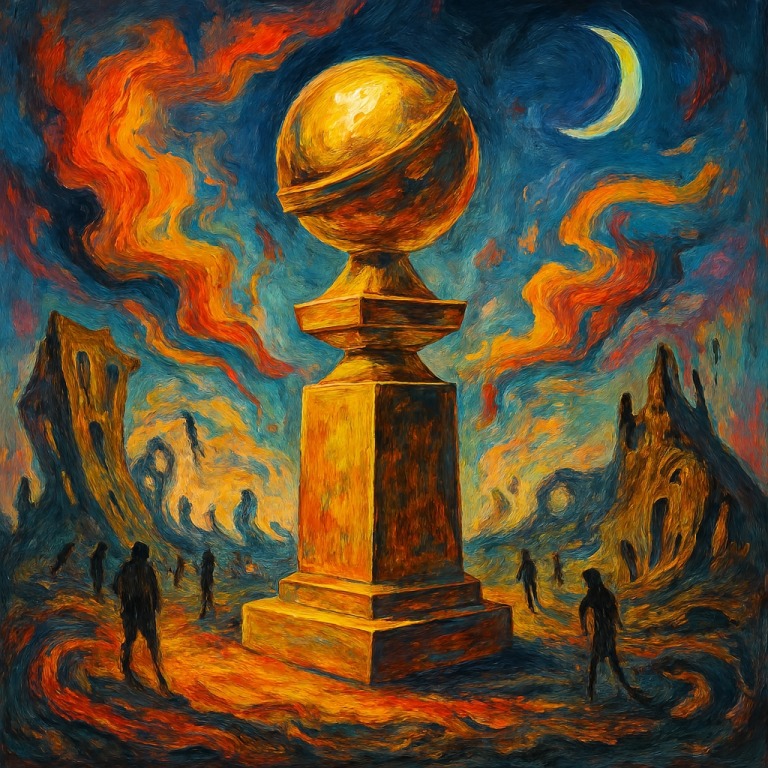
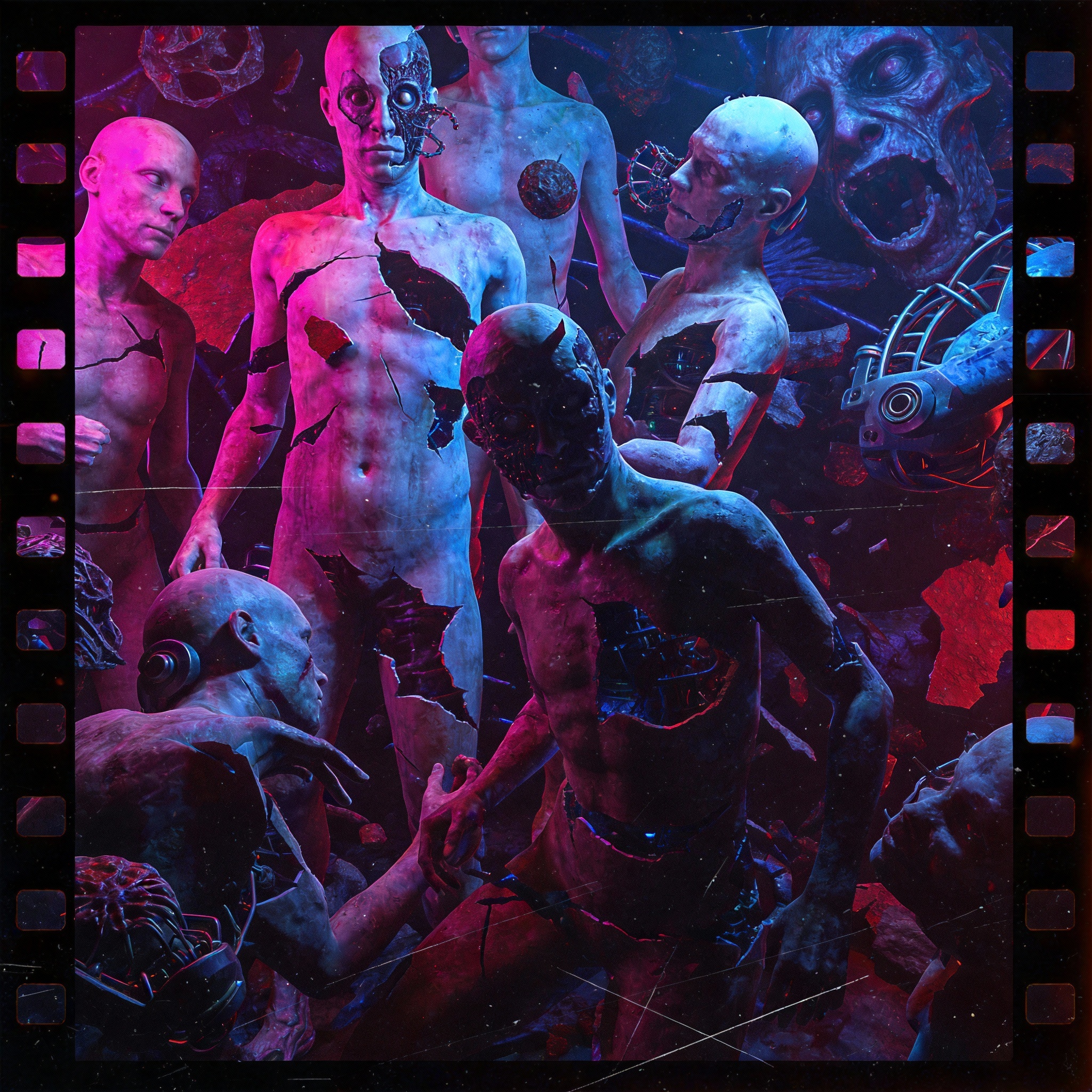
The question of whether Anything On Film Be Looked At As Art or filmed media should be considered art has become more relevant than ever, especially as the boundaries between entertainment, expression, and cultural commentary continue to blur. Every frame captured on camera carries intention, whether it is a sweeping cinematic shot, a quiet moment in a documentary, or a stylised sequence in a music video. These forms of visual storytelling shape how we understand the world, how we interpret emotion, and how we connect with ideas that might otherwise remain distant. Art has always been defined by its ability to provoke thought, evoke feeling, and communicate something meaningful, and filmed media often does all three simultaneously.
The Emotional Power Of Visual Storytelling
Film has the ability to communicate emotion in ways that transcend language, using imagery, sound, and performance to create experiences that linger long after the screen fades to black. When a filmmaker chooses a particular angle, colour palette, or pacing, they are shaping the emotional journey of the viewer. This intentionality is a hallmark of artistic expression, even when the story itself appears simple. Audiences often connect deeply with these emotional cues, finding meaning in the smallest gestures or the quietest scenes. The emotional resonance of film is one of the strongest arguments for its artistic legitimacy.
Table – Elements That Shape Emotional Impact
| Element | Artistic Purpose | Viewer Response |
|---|---|---|
| Colour | Sets mood | Emotional immersion |
| Lighting | Shapes tone | Heightened atmosphere |
| Framing | Directs focus | Stronger connection |
| Sound | Enhances emotion | Deeper engagement |
| Performance | Human expression | Relatability |
The Craftsmanship Behind Cinematic Imagery
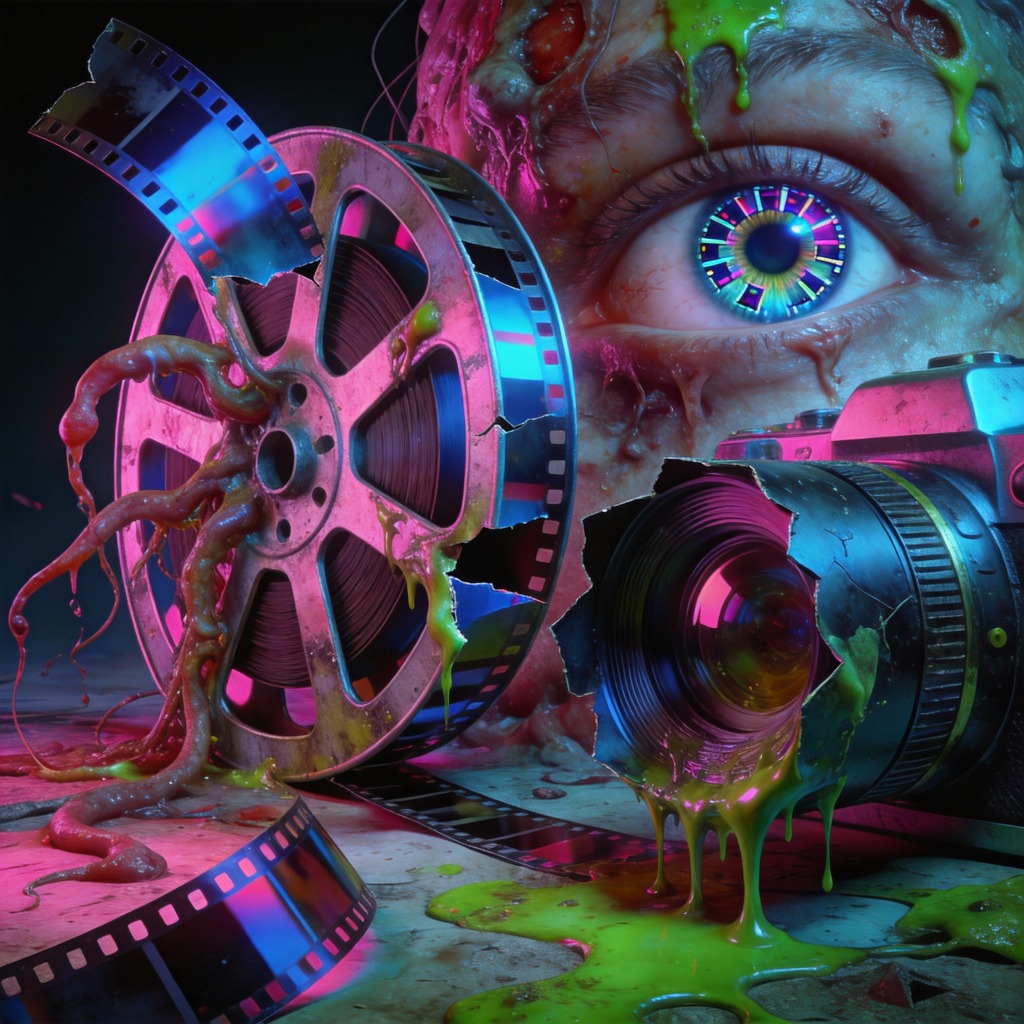
Every shot in a film is the result of countless decisions involving composition, lighting, movement, and timing. Cinematographers treat the camera like a paintbrush, shaping the visual language of the story with precision and creativity. Even in low‑budget productions, the effort to create visually meaningful moments reflects a level of craftsmanship that aligns with traditional artistic disciplines. Viewers may not always notice the technical details, but they feel the impact of these choices instinctively. The visual craft of filmmaking stands as a powerful argument for its artistic value.
Points – Why Cinematic Imagery Is Artistic
- It requires intentional composition.
- It uses light and shadow as expressive tools.
- It blends technical skill with creative vision.
- It shapes emotional tone through visual design.
- It transforms ordinary scenes into meaningful moments.
The Narrative Depth Of Film And Television
Storytelling has always been a core component of art, and film and television offer some of the most layered narratives of any medium. Writers craft characters, conflicts, and themes that reflect real human experiences, often exploring ideas that resonate across cultures and generations. These stories can be intimate, epic, humorous, or tragic, but they all share the goal of communicating something meaningful. The narrative structure of film and television mirrors the complexity found in literature and theatre. This depth of storytelling reinforces their place within the artistic landscape.
Table – Narrative Elements In Film And TV
| Element | Artistic Function | Impact |
|---|---|---|
| Character Arcs | Emotional growth | Viewer empathy |
| Themes | Underlying meaning | Intellectual engagement |
| Conflict | Drives story | Emotional tension |
| Symbolism | Hidden layers | Interpretive depth |
| Dialogue | Voice and tone | Authenticity |
The Expressive Nature Of Music Videos
Music videos combine sound, movement, and visual design to create short-form artistic experiences that often push creative boundaries. Directors use symbolism, choreography, and stylised imagery to interpret the emotional core of a song. These videos can be abstract, narrative-driven, or purely atmospheric, but they always aim to translate music into a visual language. Many music videos have become cultural touchstones because of their artistic ambition. Their fusion of mediums makes them a unique and powerful form of modern art.
Points – Why Music Videos Qualify As Art
- They visually interpret musical emotion.
- They experiment with style and symbolism.
- They blend choreography with storytelling.
- They create memorable cultural imagery.
- They push creative boundaries in short form.
The Truth-Seeking Nature Of Documentaries
Documentaries aim to reveal truths about the world, whether through personal stories, historical events, or social issues. The process of selecting footage, shaping interviews, and constructing a narrative is inherently artistic, even when the goal is factual accuracy. Documentary filmmakers must balance objectivity with emotional resonance, crafting a story that informs while still engaging the viewer. This blend of truth and creativity gives documentaries a unique artistic identity. They become windows into reality shaped through a thoughtful, expressive lens.
Table – Artistic Elements In Documentaries
| Element | Purpose | Effect |
|---|---|---|
| Interview Framing | Emotional clarity | Viewer connection |
| Archival Footage | Historical context | Authenticity |
| Narrative Structure | Story flow | Engagement |
| Visual Metaphors | Deeper meaning | Interpretation |
| Sound Design | Emotional tone | Immersion |
The Role Of Performance As Artistic Expression
Actors bring characters to life through movement, voice, and emotional nuance, transforming written words into living, breathing experiences. Their performances often become the emotional anchor of a film or series. Great acting requires vulnerability, technique, and a deep understanding of human behaviour. When an actor fully inhabits a role, the result can be as powerful as any painting or sculpture. Performance is one of the clearest examples of film as art.
Points – Why Performance Is Artistic
- It expresses human emotion.
- It requires technical skill.
- It transforms written ideas into lived experience.
- It creates emotional connection.
- It shapes the tone of the entire work.
The Symbolism Embedded In Visual Media
Filmmakers often use symbolism to add layers of meaning to their work, allowing viewers to interpret scenes in multiple ways. A colour choice, a recurring object, or a specific camera angle can carry thematic weight. These symbolic elements elevate the film beyond simple entertainment. They invite viewers to think critically and engage with the story on a deeper level. Symbolism is a hallmark of artistic intention.
Table – Examples Of Symbolic Techniques
| Technique | Artistic Use | Viewer Interpretation |
|---|---|---|
| Colour Motifs | Emotional cues | Thematic insight |
| Repeated Objects | Narrative anchors | Hidden meaning |
| Visual Metaphors | Conceptual depth | Personal reflection |
| Framing Choices | Power dynamics | Subtext |
| Environmental Details | Worldbuilding | Contextual richness |
The Impact Of Editing On Artistic Meaning
Editing shapes the rhythm, tone, and emotional flow of a film, making it one of the most crucial artistic components of the medium. Editors decide how long a shot lingers, when to cut, and how scenes transition, all of which influence how the audience feels. A well-edited sequence can create tension, evoke sadness, or build excitement. Editing is often invisible, but its impact is profound. It transforms raw footage into a cohesive artistic experience.
Points – Why Editing Is Artistic
- It controls emotional pacing.
- It shapes narrative structure.
- It creates visual rhythm.
- It enhances performance.
- It defines the film’s tone.
The Artistic Value Of Sound Design
Sound design adds texture and depth to filmed media, shaping how viewers perceive space, emotion, and atmosphere. Every sound, from footsteps to ambient noise, is chosen with intention. These choices influence how the audience experiences the world on screen. Sound design can elevate a simple scene into something haunting, beautiful, or unforgettable. Its subtlety is part of its artistic power.
Table – Components Of Artistic Sound Design
| Component | Purpose | Effect |
|---|---|---|
| Foley | Realistic detail | Immersion |
| Ambience | Environmental tone | Atmosphere |
| Music | Emotional guidance | Resonance |
| Silence | Contrast | Tension |
| Mixing | Balance | Clarity |
The Influence Of Directorial Vision
A director shapes the overall artistic identity of a film, guiding every creative decision from performance to visual style. Their vision becomes the unifying force behind the project. Directors often bring personal themes, stylistic signatures, and philosophical ideas into their work. This creative leadership is a defining characteristic of artistic practice. A strong directorial voice can transform even simple stories into profound experiences.
Points – What Directorial Vision Adds
- Cohesive style.
- Thematic clarity.
- Emotional consistency.
- Creative risk-taking.
- Personal expression.
The Cultural Reflection Found In Film
Films often reflect the values, fears, and aspirations of the societies that create them. This cultural reflection is a key aspect of art, which has always served as a mirror to human experience. Whether intentional or not, filmed media captures the spirit of its time. Viewers can learn about history, identity, and social change through the stories told on screen. This cultural relevance strengthens the argument for film as art.
Table – Cultural Elements In Film
| Element | Artistic Role | Viewer Insight |
|---|---|---|
| Social Issues | Commentary | Awareness |
| Historical Context | Authenticity | Understanding |
| Cultural Symbols | Identity | Connection |
| Language | Expression | Diversity |
| Fashion | Visual storytelling | Era definition |
The Innovation Driven By Filmmaking Techniques
Filmmakers constantly experiment with new techniques, pushing the boundaries of what visual media can achieve. These innovations often influence other art forms, from photography to digital design. When filmmakers take risks, they expand the language of cinema. Innovation is a core component of artistic evolution. The willingness to experiment is what keeps film vibrant and relevant.
Points – How Innovation Shapes Art
- It introduces new visual styles.
- It expands storytelling possibilities.
- It inspires other creators.
- It challenges audience expectations.
- It evolves the medium.
The Personal Expression Embedded In Creative Choices
Every creative decision in a film reflects the personal perspective of the people behind it. Whether it is a director’s thematic interest, a writer’s emotional history, or a cinematographer’s visual preference, these personal touches shape the final work. Art is often defined by personal expression, and film is no exception. Viewers can sense when a film carries genuine emotional weight. Personal expression gives filmed media its soul.
Table – Sources Of Personal Expression
| Source | Artistic Influence | Viewer Impact |
|---|---|---|
| Writing | Emotional themes | Connection |
| Directing | Visual style | Interpretation |
| Acting | Human truth | Empathy |
| Cinematography | Aesthetic choices | Atmosphere |
| Music | Emotional tone | Resonance |
The Interpretive Nature Of Film
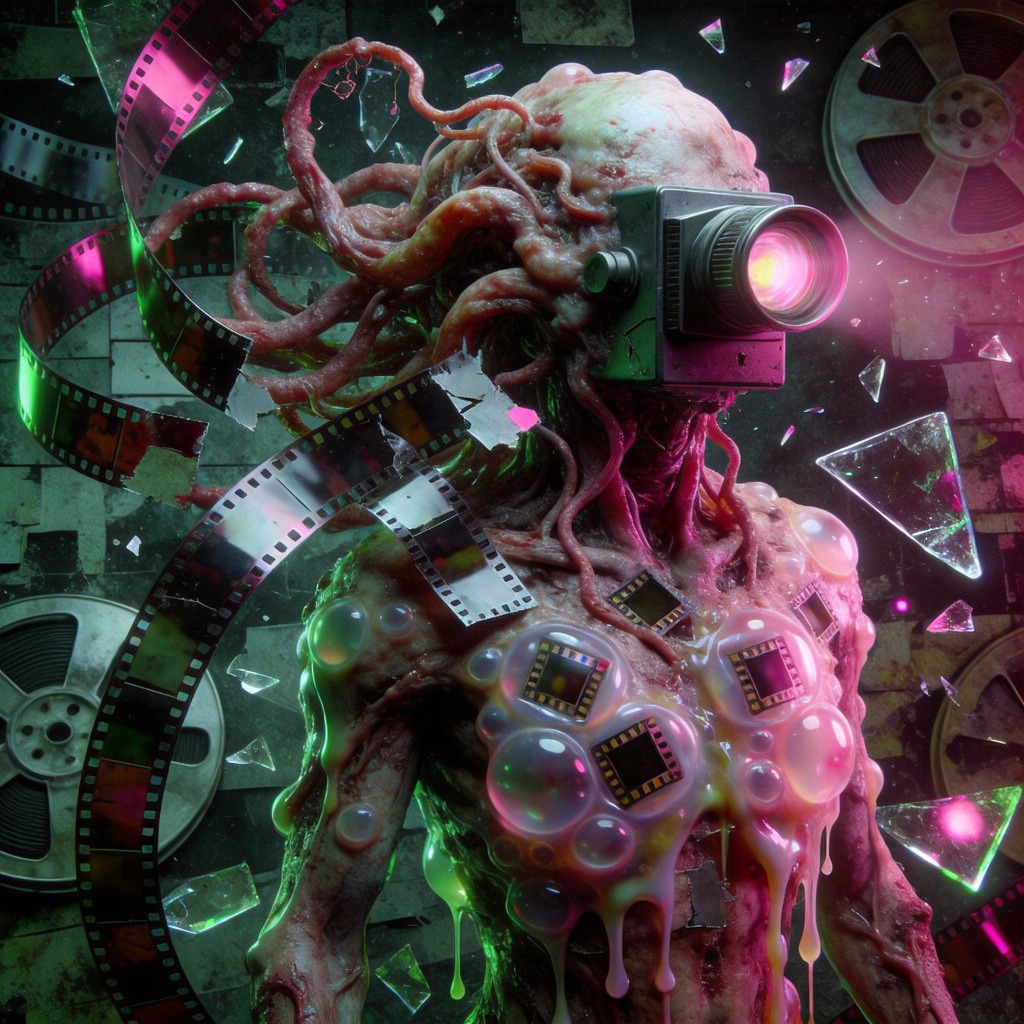
Art invites interpretation, and film offers endless opportunities for viewers to find their own meaning. Two people can watch the same scene and walk away with completely different emotional responses. This interpretive flexibility is a defining characteristic of artistic work. Filmmakers often leave space for ambiguity, encouraging viewers to think deeply. Interpretation transforms viewing into a personal experience.
Points – Why Interpretation Matters
- It deepens engagement.
- It encourages critical thinking.
- It creates personal meaning.
- It fosters discussion.
- It elevates the work beyond entertainment.
The Timelessness Of Iconic Visual Media
Some films, shows, and music videos remain relevant decades after their release because their artistic qualities transcend time. These works continue to inspire new generations of creators. Timelessness is often associated with great art, and filmed media frequently achieves this status. When a piece of visual storytelling endures, it becomes part of cultural memory. Its longevity reinforces its artistic value.
Table – Qualities Of Timeless Visual Media
| Quality | Description | Effect |
|---|---|---|
| Universal Themes | Broad relevance | Lasting impact |
| Strong Imagery | Memorable visuals | Cultural imprint |
| Emotional Depth | Human truth | Continued resonance |
| Innovative Style | Ahead of its time | Influence |
| Iconic Performances | Standout acting | Enduring appeal |
The Collaborative Nature Of Film As Art
Unlike many traditional art forms, film is inherently collaborative, bringing together writers, actors, designers, editors, musicians, and countless others. This collaboration creates a layered artistic experience that no single person could achieve alone. Each contributor adds their own creative voice. The result is a complex, multifaceted work of art. Collaboration is one of the defining strengths of filmed media.
Points – Why Collaboration Enhances Art
- It blends multiple creative disciplines.
- It introduces diverse perspectives.
- It strengthens thematic depth.
- It enriches visual and emotional texture.
- It creates a unified artistic vision.
The Role Of Audience Engagement In Defining Art
Audience engagement plays a crucial role in determining whether filmed media is perceived as art, because art is not only created but also experienced, interpreted, and emotionally processed by the viewer. When audiences connect deeply with a film, show, music video, or documentary, they elevate it beyond entertainment and into the realm of meaningful expression.
Engagement can take many forms, from emotional resonance to intellectual curiosity, and even disagreement or discomfort can signal that the work has artistic weight. The viewer becomes part of the artistic exchange, bringing their own history, beliefs, and emotions into the interpretation of what they see. This dynamic relationship between creator and audience is one of the strongest indicators that filmed media deserves recognition as art.
Table – How Audiences Shape Artistic Value
| Engagement Type | Artistic Effect | Viewer Experience |
|---|---|---|
| Emotional Response | Deepens meaning | Personal connection |
| Interpretation | Adds layers | Intellectual involvement |
| Discussion | Extends impact | Cultural relevance |
| Rewatching | Reveals depth | Renewed insight |
| Critique | Encourages growth | Evolving understanding |
The Transformative Power Of Visual Media
Visual media has the ability to transform how people think, feel, and understand the world, which is one of the defining qualities of art. A single scene can shift perspectives, challenge assumptions, or inspire new ideas. This transformative potential is not limited to high-budget productions; even the simplest filmed moments can carry profound meaning. When a piece of media changes someone’s outlook or sparks a new emotional awareness, it becomes more than entertainment. Transformation is one of the clearest signs that filmed media should be considered art.
Points – Why Transformation Matters In Art
- It alters the viewer’s emotional or intellectual state.
- It encourages reflection long after the viewing ends.
- It challenges existing beliefs or assumptions.
- It inspires creativity in others.
- It becomes part of the viewer’s personal growth.
The Universality Of Visual Expression
Film, television, music videos, and documentaries communicate across cultural and linguistic boundaries, making them some of the most universal art forms in existence. Visual storytelling allows people from different backgrounds to understand the same emotional cues, even without spoken language. This universality strengthens the argument that filmed media belongs firmly within the artistic world. When a work resonates globally, it demonstrates the power of visual expression to unite people through shared experience. Art has always thrived on universality, and filmed media excels at it.
Table – Universal Elements In Visual Media
| Element | Universal Effect | Artistic Strength |
|---|---|---|
| Facial Expression | Emotional clarity | Human connection |
| Body Language | Storytelling | Nonverbal depth |
| Colour | Mood setting | Cultural resonance |
| Music | Emotional tone | Cross-cultural appeal |
| Imagery | Symbolic meaning | Interpretive richness |
Conclusion
Filmed media in all its forms deserves to be recognised as art because it embodies the essential qualities that define artistic expression: emotional depth, creative intention, cultural reflection, personal meaning, and the ability to transform the viewer. Movies, television, music videos, and documentaries each contribute something unique to the artistic landscape, blending visual craft, narrative power, performance, sound, and symbolism into experiences that resonate far beyond the moment of viewing.
Art has never been limited to one medium, and the evolution of film has expanded the boundaries of what artistic expression can look like. When creators pour their vision, skill, and emotion into their work, and when audiences respond with thought, feeling, and interpretation, the result is undeniably art. Filmed media is not just entertainment; it is one of the most dynamic, influential, and emotionally rich art forms of our time.
Join The Discussion
Do you believe all filmed media should be considered art, or do you think only certain forms qualify?
#FilmAsArt #VisualExpression #CinematicCreativity #ArtInMedia #StorytellingCraft #DocumentaryArt #MusicVideoArtistry