Is There Too Much Digital In Movies To Still Call Them Art
Too Much Digital In Movies
The evolution of digital technology has transformed filmmaking into a landscape where imagination can stretch far beyond the limits of physical reality, yet this transformation has sparked a growing debate about whether movies remain works of art when so much of their construction happens inside computers. As digital tools become more powerful, filmmakers can create worlds, characters, and moments that would have been impossible only a generation ago, but this abundance of possibility raises questions about authenticity, craftsmanship, and the emotional resonance of cinema.
Many viewers feel that the tactile imperfections of practical filmmaking carry a human quality that digital imagery sometimes struggles to replicate. Others argue that digital tools simply expand the artistic palette, offering new ways to express ideas and emotions.
The Changing Definition Of Cinematic Art
Cinema has always evolved, and each technological shift has challenged the definition of what counts as artistic expression. When sound was introduced, some feared it would overshadow visual storytelling, yet it became a new artistic layer. Digital tools now present a similar challenge, offering filmmakers unprecedented control over every frame. This control can enhance artistry, but it can also create a sense of artificial perfection that distances audiences from the emotional core of a film. The question of whether digital abundance dilutes artistry depends on how these tools are used.
Table – Shifts In Cinematic Art Over Time
| Era | Innovation | Artistic Impact |
|---|---|---|
| Silent Film | Visual storytelling | Expressive imagery |
| Sound Era | Dialogue and music | Emotional depth |
| Colour Film | Expanded palette | Richer worlds |
| Digital Age | CGI and virtual tools | New creative freedom |
| Modern Hybrid | Practical plus digital | Balanced expression |
How Digital Tools Expand Creative Possibilities
Digital tools allow filmmakers to build entire worlds, manipulate time, and craft visuals that defy physical limitations. This expansion of possibility can elevate storytelling by giving creators access to imagery that once existed only in imagination. The ability to refine details endlessly offers a level of precision that traditional methods cannot match. Yet this precision can also create a sense of detachment if overused. The artistic value lies in how these tools are balanced with emotional intention.
Points – Creative Strengths Of Digital Tools
- Unlimited visual potential
- Precise control over every element
- Ability to revise scenes endlessly
- Freedom to explore abstract ideas
- Expanded storytelling range
The Emotional Weight Of Practical Filmmaking
Practical filmmaking carries a tactile quality that resonates deeply with audiences, because real materials interact with light, space, and performers in ways that feel grounded. When actors engage with physical sets or props, their reactions often feel more authentic. Practical effects also introduce imperfections that add character and emotional depth. These qualities can be difficult for digital tools to replicate convincingly. The emotional weight of reality remains a powerful artistic force.
Table – Practical Versus Digital Emotional Qualities
| Quality | Practical | Digital |
|---|---|---|
| Texture | Organic | Rendered |
| Light Interaction | Natural | Simulated |
| Actor Engagement | Direct | Imaginative |
| Imperfections | Authentic | Designed |
| Emotional Tone | Grounded | Variable |
Why Audiences Sense When Something Feels Too Digital
Audiences have become increasingly perceptive about digital imagery, often noticing when a scene feels overly polished or artificial. This sensitivity stems from a lifetime of observing real environments, faces, and movement. When digital elements lack the subtle irregularities of reality, viewers instinctively sense the difference. This awareness can disrupt immersion, even if the digital work is technically impressive. The human eye remains a powerful judge of authenticity.
Points – Reasons Digital Imagery Feels Artificial
- Lack of natural imperfections
- Overly smooth textures
- Predictable movement patterns
- Uniform lighting
- Missing emotional nuance
The Balance Between Digital And Physical Craftsmanship
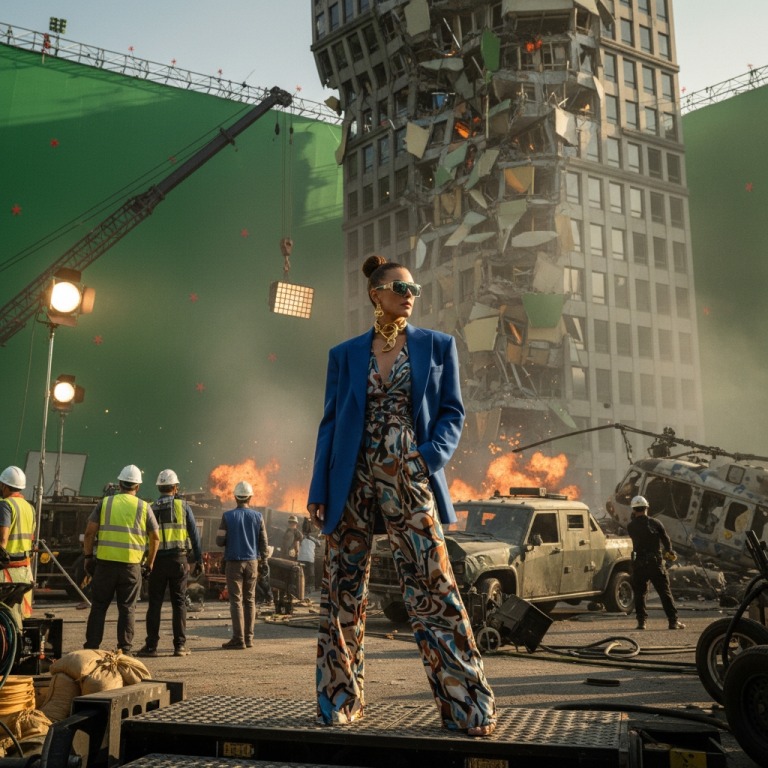
Filmmaking thrives when digital and physical techniques work together, each enhancing the strengths of the other. Practical elements provide grounding, while digital tools expand the visual scope. This balance allows filmmakers to create scenes that feel both imaginative and emotionally resonant. When one side dominates too heavily, the artistic harmony can be disrupted. The future of cinematic art depends on maintaining this equilibrium.
Table – Hybrid Filmmaking Benefits
| Element | Practical Contribution | Digital Contribution |
|---|---|---|
| Atmosphere | Real textures | Enhanced detail |
| Action | Physical weight | Expanded scale |
| World Building | Tangible sets | Infinite environments |
| Performance | Authentic reactions | Creative augmentation |
| Visual Tone | Natural grounding | Stylised enhancement |
How Digital Perfection Can Limit Artistic Expression
Digital tools allow filmmakers to refine every detail, but this perfection can sometimes strip away the rawness that gives art its emotional power. Imperfections often carry meaning, revealing the human hand behind the work. When everything is polished to a flawless sheen, the result can feel sterile. Artistic expression thrives on contrast, texture, and unpredictability. Digital perfection must be used thoughtfully to preserve emotional resonance.
Points – Risks Of Overly Perfect Digital Imagery
- Loss of emotional texture
- Reduced sense of authenticity
- Predictable visual patterns
- Lack of human imperfection
- Diminished artistic contrast
The Role Of Human Performance In Maintaining Artistic Integrity
Human performance remains one of the most powerful artistic elements in cinema, and digital tools cannot fully replicate the nuance of real emotion. Even with advanced motion capture, subtle expressions and micro‑movements are difficult to simulate convincingly. When actors perform within real environments, their emotional responses often feel more grounded. Digital enhancements can support these performances, but they rarely replace them. Artistic integrity thrives on human presence.
Table – Human Versus Digital Performance Qualities
| Quality | Human Performance | Digital Performance |
|---|---|---|
| Emotion | Deep and nuanced | Simulated |
| Movement | Organic | Programmed |
| Expression | Complex | Approximate |
| Presence | Tangible | Virtual |
| Authenticity | Strong | Variable |
Why Real Locations Still Carry Artistic Power
Real locations contain layers of history, atmosphere, and texture that digital environments often struggle to match. These qualities contribute to the emotional tone of a film, giving it a sense of place that feels lived‑in and authentic. Digital environments can be stunning, but they sometimes lack the subtle imperfections that make real spaces compelling. Filmmakers often return to real locations for scenes that require emotional grounding. This connection to reality enhances artistic depth.
Points – Strengths Of Real Locations
- Natural atmosphere
- Organic textures
- Emotional resonance
- Authentic lighting
- Sense of history
The Artistic Value Of Practical Effects
Practical effects offer a level of physical authenticity that digital effects cannot always replicate. Real explosions, props, and makeup create tangible interactions that enhance the emotional impact of a scene. These elements also provide actors with real stimuli, improving performance quality. Practical effects carry a craftsmanship that reflects human skill and creativity. Their artistic value remains significant in an increasingly digital world.
Table – Practical Effects Artistic Qualities
| Quality | Description | Impact |
|---|---|---|
| Craftsmanship | Human made | Emotional depth |
| Texture | Real materials | Authentic look |
| Interaction | Physical presence | Stronger performance |
| Imperfection | Natural variation | Artistic richness |
| Atmosphere | Real world behaviour | Immersive tone |
How Digital Tools Can Enhance Rather Than Replace Art
Digital tools are most effective when used to support artistic intention rather than overshadow it. When filmmakers use CGI to extend practical sets or enhance real performances, the result often feels more cohesive. Digital tools can add detail, expand scale, and refine imagery without erasing the human element. This supportive role preserves the emotional core of the film. The artistry lies in knowing when to use digital enhancements and when to rely on reality.
Points – Ways Digital Tools Support Art
- Enhancing practical elements
- Expanding visual scale
- Refining complex details
- Supporting emotional tone
- Strengthening world building
The Importance Of Imperfection In Artistic Expression
Imperfection is a fundamental part of artistic expression, because it reflects the human experience. Digital tools often aim for flawless imagery, but this perfection can feel emotionally distant. Real materials, real performances, and real environments contain irregularities that add depth and meaning. Filmmakers who embrace imperfection often create more resonant work. The artistic value of cinema thrives on these subtle flaws.
Table – Imperfection In Art
| Imperfection Type | Artistic Value | Emotional Effect |
|---|---|---|
| Texture Variation | Depth | Warmth |
| Lighting Irregularity | Atmosphere | Realism |
| Performance Flaws | Humanity | Connection |
| Natural Wear | History | Authenticity |
| Unpredictable Movement | Energy | Engagement |
Why Overreliance On Digital Tools Can Flatten Emotional Impact
When digital tools dominate a film’s visual identity, the emotional impact can sometimes feel diluted. This happens when scenes rely too heavily on synthetic imagery without grounding in physical reality. Audiences may admire the spectacle but feel disconnected from the emotional core. Filmmakers must balance digital innovation with human storytelling to maintain resonance. Emotional depth requires more than visual complexity.
Points – Emotional Risks Of Digital Overuse
- Reduced audience connection
- Lack of tactile presence
- Overwhelming visual noise
- Diminished character focus
- Weakened narrative grounding
The Artistic Role Of Lighting In A Digital Age
Lighting remains one of the most powerful artistic tools in filmmaking, and its effectiveness depends heavily on how it interacts with real materials. Digital lighting can simulate complex behaviours, but it often lacks the subtle variations of natural light. Real lighting creates depth, mood, and emotional tone that digital tools must work hard to imitate. Filmmakers often blend practical and digital lighting to achieve the best results. This interplay preserves artistic integrity.
Table – Lighting Comparisons
| Lighting Type | Strength | Artistic Effect |
|---|---|---|
| Natural Light | Organic variation | Emotional warmth |
| Practical Light | Real interaction | Authentic tone |
| Digital Light | Controlled precision | Stylised mood |
| Hybrid Light | Balanced approach | Cohesive visuals |
| Ambient Light | Atmospheric depth | Immersive feel |
How Technology Can Strengthen Artistic Collaboration
Technology has made collaboration easier by allowing filmmakers to share ideas, footage, and designs instantly across distances. This connectivity enhances creativity by bringing diverse perspectives into the process. Digital tools also allow teams to experiment more freely without the constraints of physical resources. When used thoughtfully, technology strengthens the artistic dialogue between collaborators. This expanded communication enriches the final work.
Points – Collaborative Benefits Of Technology
- Instant idea sharing
- Remote creative teamwork
- Flexible experimentation
- Faster feedback loops
- Broader artistic input
The Role Of Sound In Preserving Artistic Authenticity
Sound remains one of the most powerful artistic elements in cinema, and real sound often carries a richness that digital design must work hard to match. Natural audio contains layers of detail that enhance immersion and emotional resonance. Digital sound design can elevate these elements, but it rarely replaces the authenticity of real recordings. Filmmakers often blend practical and digital sound to create a balanced auditory experience. This combination preserves artistic depth.
Table – Sound Authenticity Factors
| Factor | Real Sound | Digital Sound |
|---|---|---|
| Texture | Organic | Designed |
| Variation | Natural | Controlled |
| Emotion | Strong | Variable |
| Atmosphere | Rich | Constructed |
| Presence | Tangible | Simulated |
Why Human Creativity Remains Central To Cinematic Art
No matter how advanced digital tools become, they remain instruments shaped by human intention. The emotional core of cinema comes from the choices filmmakers make, not the software they use. Creativity, intuition, and personal expression cannot be automated. Digital tools can enhance these qualities, but they cannot replace them. Artistic identity remains rooted in human imagination.
Points – Human Creative Strengths
- Emotional intuition
- Personal expression
- Narrative insight
- Artistic risk taking
- Unique perspective
The Future Of Artistic Expression In A Digital World
The future of cinematic art will likely involve a blend of digital innovation and traditional craftsmanship. Filmmakers will continue to explore new tools while preserving the emotional qualities that make cinema meaningful. As technology evolves, the challenge will be to maintain artistic intention amid expanding possibilities. The most compelling films will balance digital spectacle with human depth. Artistic expression will adapt, but its essence will remain.
Table – Future Artistic Trends
| Trend | Influence | Artistic Effect |
|---|---|---|
| Hybrid Filmmaking | Practical plus digital | Balanced visuals |
| AI Assisted Tools | Faster workflows | More creative time |
| Virtual Production | Real time environments | New storytelling |
| Practical Revival | Return to authenticity | Emotional grounding |
| Digital Refinement | Improved realism | Stronger immersion |
Conclusion
Digital technology has transformed filmmaking, offering tools that expand creative possibility and reshape how stories are told. Yet despite this evolution, the artistic heart of cinema remains rooted in human emotion, physical presence, and the imperfections that give art its depth. Digital tools can elevate these qualities when used thoughtfully, but they cannot replace the authenticity of real materials, real performances, and real environments. The question of whether movies remain art in a digital age depends on how filmmakers balance innovation with intention. Cinema continues to evolve, but its artistic soul endures.