What A Cinema Is And Impact Of Shared Viewing
What A Cinema Is
A cinema is one of the few places where people willingly step into darkness to feel something together. The moment the lights fade, the room shifts into a kind of collective hush, as if everyone has agreed to suspend their own lives for a while. The space becomes a container for emotion, holding whatever the story will stir up. This transition feels almost ritualistic. The outside world dissolves, replaced by a quiet anticipation that settles over the room like a soft weight.
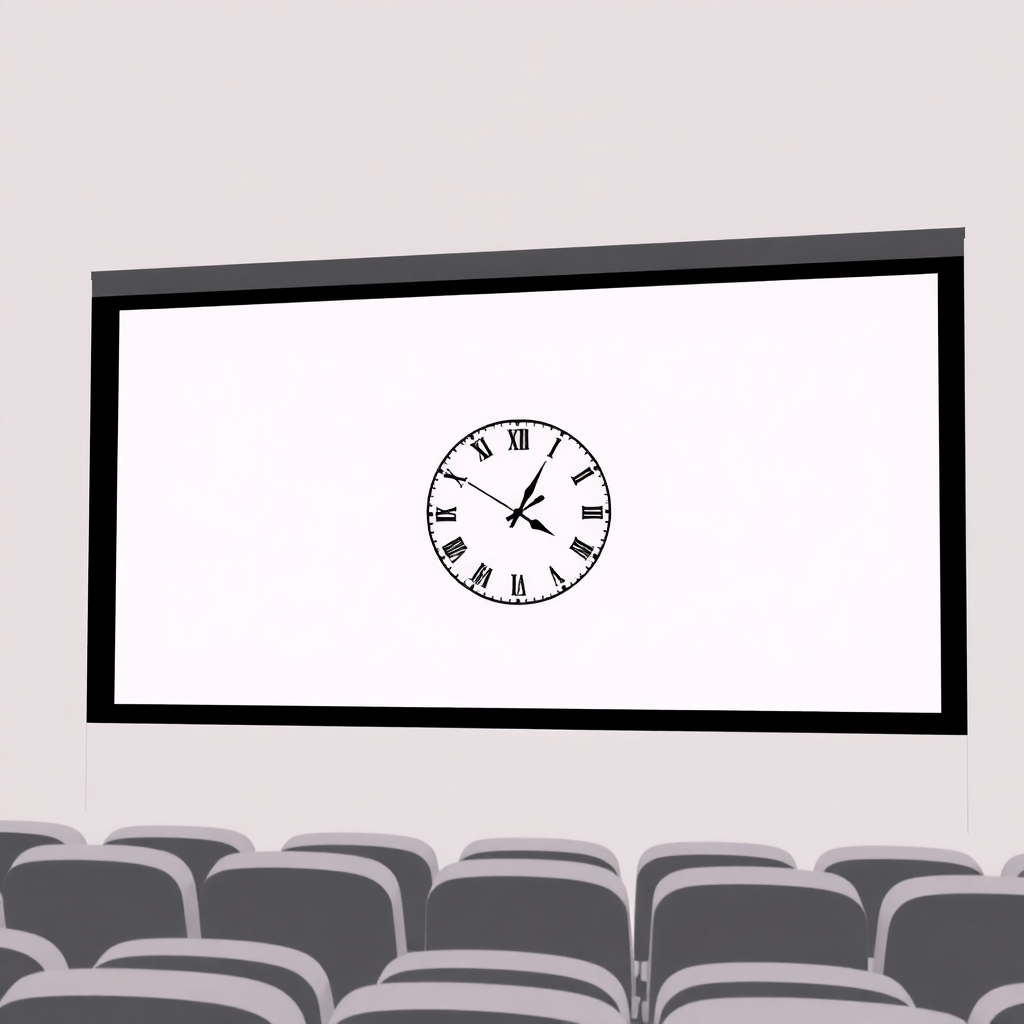
The screen becomes a temporary horizon, a place where stories unfold with a clarity that real life rarely offers. People lean into this clarity without thinking about it. The images feel larger than they should, not just in size but in emotional scale. Movement, colour, and light blend into something that feels both distant and intimate. The cinema turns narrative into atmosphere, surrounding the audience with a world that exists only for the length of the film.
Sound behaves differently in a cinema. It doesn’t just accompany the story—it shapes it. The low rumble of a score can settle into the body, while a sudden silence can feel like a held breath. People respond to these shifts instinctively, their emotions rising and falling in sync with the audio landscape. The room becomes a chamber where sound is not just heard but absorbed. It creates a shared emotional pulse that moves through the audience.
The darkness of the cinema plays its own role, softening the edges of the world and sharpening the focus on the screen. Without visual distractions, people become more receptive, more porous. Their attention narrows in a way that feels strangely calming. The darkness becomes a kind of emotional amplifier, heightening whatever the story wants them to feel. It’s a space where vulnerability becomes collective rather than private.
There’s something quietly fascinating about how strangers experience the same story together yet interpret it differently. A cinema becomes a temporary community built on shared silence and parallel reactions. People laugh at the same moments, tense at the same scenes, and fall still during the same pauses. Yet each person carries their own internal narrative alongside the film. The room becomes a mosaic of private experiences layered over a single unfolding story.
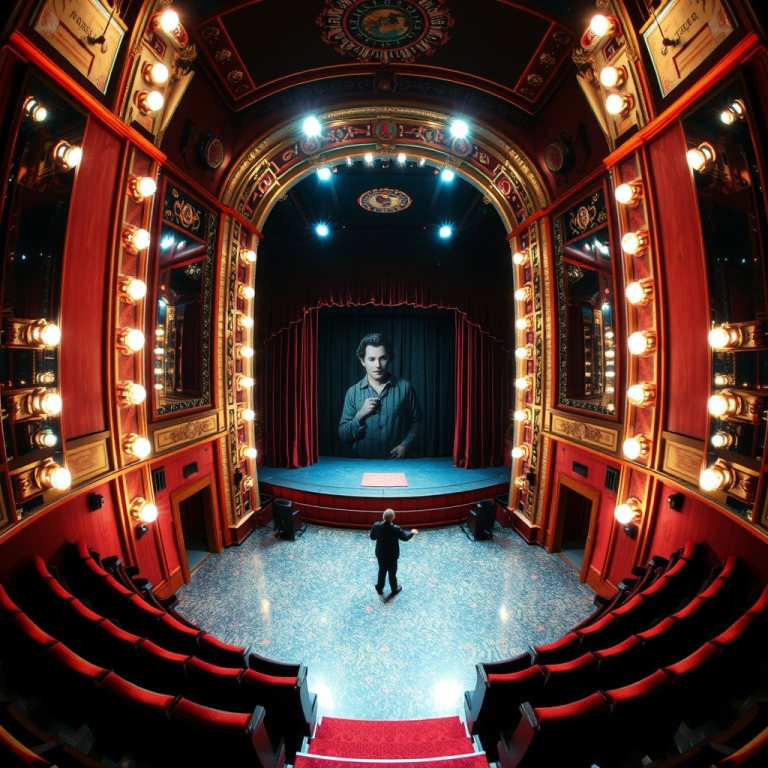
The architecture of the cinema contributes to this emotional immersion. Rows of seats face the same direction, guiding attention toward a single point. This alignment creates a sense of unity without requiring interaction. The space is designed to hold people without demanding anything from them. It becomes a rare environment where stillness feels purposeful. The structure itself encourages surrender to the story.
As the film progresses, the cinema becomes a kind of emotional conduit. People project their own memories, fears, and hopes onto the characters on screen. The story becomes a mirror, reflecting parts of themselves they didn’t expect to see. This psychological blending is subtle but powerful. The cinema becomes a place where people encounter themselves through the experiences of fictional others. It’s a quiet form of introspection disguised as entertainment.
When the lights return, the spell breaks, but not completely. People carry fragments of the story with them as they leave—the mood, the images, the echoes of sound. The cinema lingers in their minds long after the film ends. It becomes a space where emotion was shared, shaped, and momentarily suspended. Through this blend of darkness, sound, and collective presence, the cinema becomes more than a room. It becomes an emotional landscape that people step into and out of, changed in small, quiet ways.
A cinema is a dedicated space where stories are projected onto a screen, creating a shared emotional experience for audiences. People gather in this environment to immerse themselves in narratives that unfold through sound, movement, and light. The atmosphere of a cinema encourages focus, allowing viewers to step away from daily distractions. Darkness enhances the sense of anticipation as the screen becomes the centre of attention. The environment shapes how emotions rise and fall throughout the film. Sound surrounds the audience, deepening the impact of each moment.
The Nature Of A Cinema
A cinema is designed to present films in a controlled setting where sound and visuals work together seamlessly. The layout encourages viewers to face the screen without interruption. People often feel a sense of ritual when entering a cinema, as the experience differs from watching at home. Seats are arranged to create a shared yet personal viewing space. The environment supports emotional engagement by limiting external noise. Lighting is carefully managed to enhance immersion. A cinema becomes a place where storytelling feels larger than life.
Elements That Shape A Cinema
| Element | Description | Influence | Visible Sign | Timing | Emotional Effect |
|---|---|---|---|---|---|
| Screen | Visual display | Focus | Bright imagery | Continuous | Immersion |
| Sound System | Surround audio | Emotion | Deep tones | Key scenes | Intensity |
| Seating | Audience arrangement | Comfort | Rows of chairs | Throughout | Relaxation |
| Lighting | Controlled brightness | Atmosphere | Dim room | Before and during film | Anticipation |
| Architecture | Room design | Acoustics | High ceilings | Always | Clarity |
The Emotional Tone Of Cinemas
Cinemas carry an emotional tone shaped by darkness, silence, and shared anticipation. People often feel a sense of unity when the lights dim. The quiet before the film begins creates a moment of collective focus. Characters on screen evoke emotions that ripple through the audience. The environment becomes a container for shared reactions. This emotional tone influences how viewers interpret the story. Cinemas create a unique blend of solitude and togetherness.
Emotional Influences
- Heightened anticipation
- Deepened focus
- Stronger emotional resonance
- Calmness during quiet scenes
- Tension during dramatic moments
- Connection to the collective atmosphere
The Role Of Light In Cinemas
Light shapes the cinematic experience by guiding attention and mood. The dim environment allows the screen to become the brightest point in the room. People respond instinctively to this contrast, focusing more deeply on the film. Characters appear more vivid when surrounded by darkness. Lighting shifts during previews and transitions create emotional cues. The environment becomes a stage for visual storytelling. Light transforms the room into a world of imagination.
Light Factors
| Factor | Description | Influence | Visible Sign | Timing | Cinematic Effect |
|---|---|---|---|---|---|
| Dim Lighting | Low brightness | Focus | Dark room | Before film | Anticipation |
| Screen Glow | Bright imagery | Attention | Illuminated faces | During film | Immersion |
| Exit Lights | Safety lighting | Orientation | Soft glow | Throughout | Security |
| Colour Tones | Screen hues | Mood | Blue or red light | Key scenes | Emotion |
| Light Transitions | Brightness shifts | Rhythm | Fade in/out | Scene changes | Flow |
The Psychological Impact Of Shared Viewing
Shared viewing influences how people experience films in a cinema. Reactions from others can amplify emotional responses. Laughter becomes more contagious, and silence feels more profound. People sense the collective mood as the story unfolds. Characters’ journeys feel more impactful when witnessed together. The environment becomes a social space without conversation. Shared viewing shapes the psychological depth of the experience.
Shared Viewing Responses
- Increased emotional intensity
- Stronger connection to the story
- Heightened awareness of audience reactions
- Calmness during quiet moments
- Engagement shaped by group energy
- Sense of belonging
The Influence Of Sound In Cinemas
Sound plays a major role in shaping the cinema experience. Surround audio creates depth, making scenes feel more immersive. People often feel sound physically through vibrations and resonance. Characters’ voices become clearer and more expressive. Music guides emotional transitions. The environment becomes alive with layered audio. Sound enhances the emotional impact of the film.
Sound Factors
| Factor | Description | Influence | Visible Pattern | Timing | Emotional Effect |
|---|---|---|---|---|---|
| Surround Audio | Multi‑directional sound | Immersion | Echoes | Action scenes | Intensity |
| Bass Tones | Low frequencies | Physical impact | Seat vibration | Dramatic moments | Power |
| Dialogue Clarity | Clear voices | Connection | Crisp speech | Throughout | Engagement |
| Ambient Sound | Background audio | Realism | Environmental noise | Scene by scene | Depth |
| Silence | Absence of sound | Tension | Stillness | Emotional peaks | Focus |
The Emotional Weight Of Cinematic Atmosphere
Cinematic atmosphere carries emotional weight because it shapes how viewers interpret scenes. People often feel more connected to the story when the environment supports immersion. Characters’ emotions feel amplified in a controlled setting. Music and sound effects deepen the mood. The environment becomes a vessel for emotional storytelling. This atmosphere influences how memories of the film linger. Cinemas create emotional resonance.
Emotional Responses
- Increased empathy
- Stronger emotional recall
- Heightened curiosity
- Deep reflection
- Emotional release
- Sense of narrative closure
The Role Of Architecture In Cinemas
Architecture influences how sound travels and how people feel within the space. High ceilings and angled walls help distribute audio evenly. People often feel more comfortable in well‑designed rooms. Characters’ voices carry clearly across the space. Lighting fixtures blend into the architecture to avoid distraction. The environment becomes a carefully crafted sensory chamber. Architecture supports the cinematic experience.
Architectural Factors
| Factor | Description | Influence | Visible Pattern | Timing | Cinematic Effect |
|---|---|---|---|---|---|
| High Ceilings | Vertical space | Acoustics | Open room | Always | Clarity |
| Angled Walls | Sound direction | Balance | Slanted surfaces | Continuous | Even audio |
| Soft Materials | Sound absorption | Comfort | Cushioned seats | Throughout | Warmth |
| Wide Layout | Spacious design | Visibility | Clear sightlines | Daily | Focus |
| Enclosed Space | Limited openings | Immersion | Dark enclosure | During film | Isolation |
The Psychological Calm After A Film
After a film ends, cinemas often shift into a quieter emotional state. People take a moment to process what they have seen. Characters’ journeys linger in the mind. Music fades, leaving a sense of stillness. The environment becomes calm again. This pause enhances emotional reflection. The contrast between intensity and quiet deepens the experience.
Calmness Influences
- Slower movement
- Emotional ease
- Increased reflection
- Gentle transition back to reality
- Softer sensory engagement
- Sense of completion
The Influence Of Colour In Cinemas
Colour shapes the mood of a cinema through screen imagery and ambient tones. Warm colours create comfort, while cool colours evoke calmness. People respond instinctively to these visual cues. Characters appear more expressive when surrounded by meaningful colours. Lighting enhances these tones. The environment becomes a palette of emotional signals. Colour guides the viewer’s emotional journey.
Colour Factors
| Factor | Description | Influence | Visible Pattern | Timing | Cinematic Effect |
|---|---|---|---|---|---|
| Warm Tones | Reds and yellows | Comfort | Soft glow | Emotional scenes | Warmth |
| Cool Tones | Blues and greens | Calmness | Smooth hues | Reflective scenes | Serenity |
| High Contrast | Strong differences | Tension | Sharp edges | Conflict | Drama |
| Muted Colours | Soft palette | Subtlety | Gentle tones | Quiet scenes | Intimacy |
| Bright Colours | Vivid hues | Energy | Bold visuals | Action | Excitement |

The Emotional Rhythm Of Cinematic Experiences
Cinematic experiences follow emotional rhythms shaped by pacing, music, and narrative structure. People feel anticipation during rising action. Emotional peaks occur during major turning points. Characters reveal depth through conflict and resolution. Music guides the emotional flow. The environment shifts to match the rhythm. This emotional pattern shapes the viewer’s experience.
Emotional Rhythms
- Rising anticipation
- Emotional intensity
- Heightened awareness
- Release after conflict
- Gentle reflection
- Renewed engagement
The Role Of Cinematic Techniques
Cinematic techniques shape how movies communicate emotion and meaning within a cinema. Camera angles influence perspective. People interpret scenes differently based on framing. Characters appear more powerful or vulnerable depending on angle. Editing controls pacing. The environment becomes part of the technique. Cinematic tools shape storytelling.
Technique Factors
| Factor | Description | Influence | Visible Pattern | Timing | Cinematic Effect |
|---|---|---|---|---|---|
| Close‑Ups | Tight framing | Emotion | Facial detail | Key moments | Intimacy |
| Wide Shots | Large framing | Context | Landscape | Opening scenes | Scale |
| Slow Motion | Reduced speed | Drama | Extended action | Climaxes | Impact |
| Fast Cuts | Quick edits | Energy | Rapid scenes | Action | Intensity |
| Steady Shots | Smooth movement | Calmness | Fluid motion | Reflective scenes | Balance |
The Psychological Meaning Of A Cinema
A cinema represents a space where people gather to experience stories collectively. It reflects the human desire for connection, emotion, and shared imagination. Characters on screen reveal universal themes. Sound and light shape emotional depth. The environment becomes a symbolic space where meaning unfolds. Cinemas carry psychological significance. They allow viewers to explore emotion through narrative.
Meaning Factors
| Factor | Description | Influence | Visible Pattern | Timing | Emotional Benefit |
|---|---|---|---|---|---|
| Narrative Depth | Story layers | Reflection | Symbolic scenes | Throughout | Insight |
| Emotional Expression | Character feelings | Connection | Facial cues | Key moments | Empathy |
| Visual Symbolism | Imagery | Meaning | Repeated motifs | Thematic scenes | Interpretation |
| Sound Design | Audio cues | Emotion | Rising tones | Climaxes | Intensity |
| Collective Viewing | Shared space | Belonging | Audience reactions | Throughout | Unity |
Conclusion
A cinema is more than a room with a screen; it is a carefully crafted environment designed to heighten emotion, focus attention, and create shared experiences. People feel connected to stories in ways that feel deeper than everyday life. Characters reveal universal themes through their journeys. Sound, light, and architecture work together to shape atmosphere. The environment becomes a vessel for imagination and emotion. Cinemas remain powerful spaces for storytelling. Through these elements, they continue to shape how people experience narrative and connection.