What An Audiophile Listening Room Is
Audiophile Listening Room
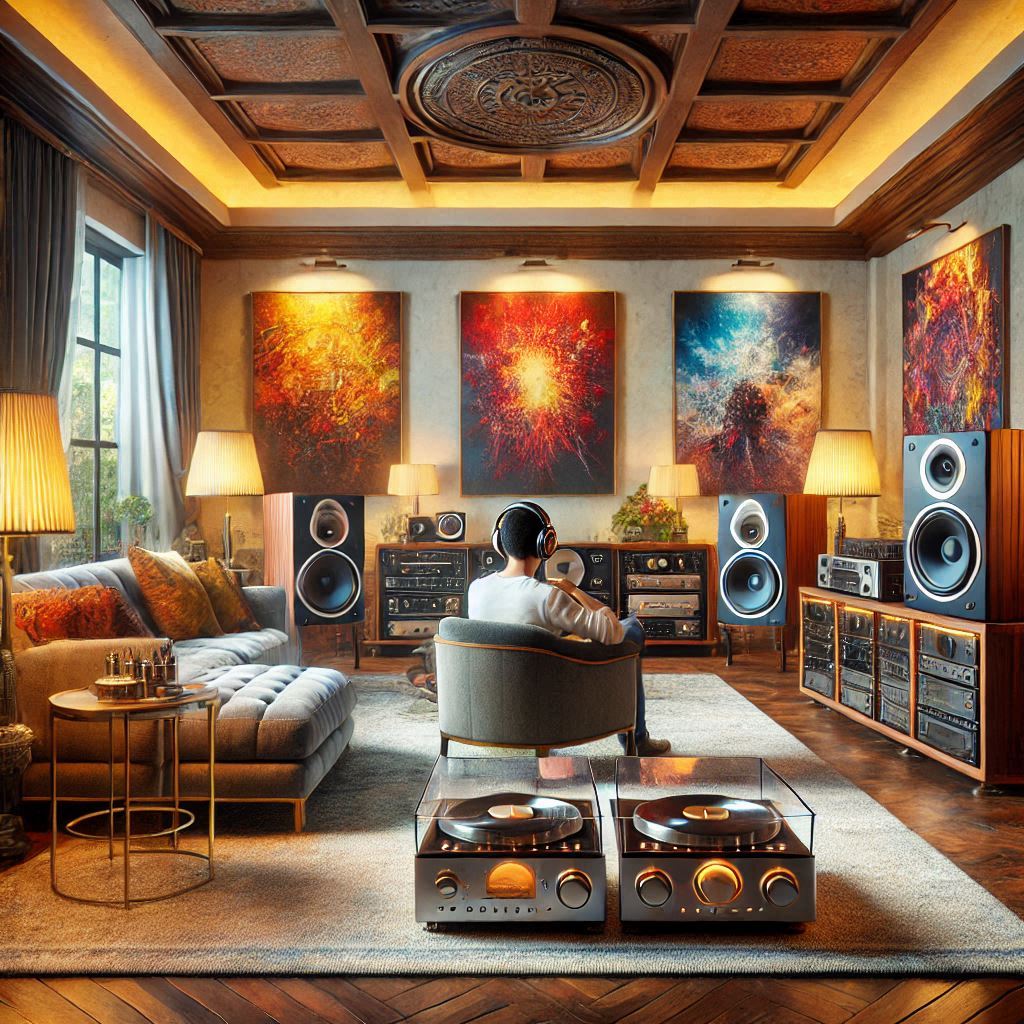
An audiophile listening room is shaped around the idea that music deserves a place where it can unfold without distraction. The space is arranged with intention, from the placement of the speakers to the textures on the walls, creating an environment where sound can move freely and reveal its finer layers. Nothing is accidental; every element is chosen to support clarity, depth, and emotional presence. The room becomes a vessel designed to let recorded music breathe.
Stepping into such a space often brings an immediate sense of calm. The outside world feels quieter, not because it disappears, but because the room encourages a different pace. It invites the listener to settle, to let their attention narrow, and to allow the music to take centre stage. This shift in atmosphere changes how people relate to sound, turning listening into a deliberate act rather than something that fades into the background.
As the music begins, the room shapes the experience in subtle ways. Reflections soften, details sharpen, and the emotional tone of the recording becomes more vivid. The listener becomes more attuned to nuance—the breath between phrases, the weight of a note, the space around an instrument. This heightened awareness creates a psychological transition, where the mind becomes more receptive and the body more grounded.
In this sense, an audiophile listening room is more than a physical arrangement of equipment and acoustics. It becomes a retreat built around attention, a place where sound is allowed to matter. The room supports a kind of listening that feels restorative, almost meditative, offering a rare moment of stillness in a world that rarely slows down. It stands as both a technical environment and an emotional refuge, shaped by the desire to experience music at its most honest.
An audiophile listening room is a space designed to bring out the full emotional and sonic depth of recorded music. It is built with intention, where every detail contributes to how sound moves, settles, and reveals itself. People often feel a sense of calm when entering such a room because it invites stillness and focus. The environment encourages listeners to slow down and engage deeply with the music. This immersion creates a psychological shift, turning listening into an experience rather than a background activity. The room becomes a sanctuary for sound. Through this lens, an audiophile listening room is both a physical space and an emotional retreat.

The Nature Of An Audiophile Listening Room
An audiophile listening room is shaped by acoustics, layout, and materials that influence how sound behaves. The goal is to create a space where music feels clear, balanced, and emotionally expressive. People often describe these rooms as places where they can hear details they never noticed before. The environment becomes a tool for revealing nuance. This clarity enhances the emotional connection to the music. The room transforms listening into a focused experience. Its nature lies in shaping sound with intention.
Table – Core Elements Of An Audiophile Listening Room
| Element | Description | Influence |
|---|---|---|
| Acoustics | Sound behaviour | Shapes clarity |
| Speaker Placement | Positioning of equipment | Guides soundstage |
| Room Materials | Surfaces and textures | Affects resonance |
| Seating Position | Listener location | Enhances immersion |
| Ambient Noise | Background sound | Impacts focus |
The Psychological Pull Of Focused Listening
Focused listening creates a sense of presence that feels rare in everyday life. People often feel more grounded when they give full attention to sound. This attention heightens emotional response. The room becomes a place where distractions fade. Focused listening encourages reflection and emotional openness. The experience becomes meditative. The psychological pull lies in the depth of engagement.
Points – Emotional Effects Of Focused Listening
- Heightened presence.
- Deepened emotional connection.
- Calm through immersion.
- Curiosity about sonic detail.
- Reflection through sound.
- Comfort in stillness.
- Openness to musical nuance.
The Role Of Acoustics
Acoustics determine how sound travels, reflects, and settles within the room. Soft materials absorb sound, while hard surfaces reflect it. People often feel the difference immediately when entering a well‑treated space. Acoustics shape the emotional tone of the room by influencing clarity and warmth. Good acoustics create a sense of intimacy. Poor acoustics create tension or distraction. Acoustics become the foundation of the listening experience.
Table – Acoustic Features That Shape Sound
| Feature | Description | Influence |
|---|---|---|
| Absorption Panels | Soft materials | Reduce echo |
| Diffusers | Scattered surfaces | Spread sound evenly |
| Bass Traps | Low‑frequency control | Smoothens depth |
| Carpet | Floor covering | Softens reflections |
| Curtains | Fabric barriers | Adjust brightness |
The Emotional Tone Of A Dedicated Listening Space
A dedicated listening space carries a distinct emotional tone shaped by quiet, comfort, and intention. People often feel a sense of retreat when entering such a room. The environment encourages slow breathing and relaxed posture. This tone enhances the emotional impact of the music. The room becomes a place where time feels different. Emotional openness increases in this setting. The tone becomes part of the listening ritual.
Points – Emotional Tones In Listening Rooms
- Stillness in quiet spaces.
- Warmth from soft lighting.
- Calm from controlled acoustics.
- Reflection through focused sound.
- Comfort in familiar surroundings.
- Curiosity about musical layers.
- Connection to personal memory.
The Role Of Speaker Placement
Speaker placement shapes how sound reaches the listener. Small adjustments can dramatically change the sense of space and clarity. People often experiment with angles and distances to find the perfect balance. This process creates a sense of discovery. Proper placement creates a soundstage that feels three‑dimensional. The listener becomes part of the sonic environment. Placement becomes a form of fine‑tuning.
Table – Speaker Placement Techniques
| Technique | Description | Influence |
|---|---|---|
| Toe‑In | Angling speakers inward | Improves focus |
| Equal Distance | Balanced spacing | Enhances symmetry |
| Listening Triangle | Ideal geometry | Creates immersion |
| Height Alignment | Ear‑level positioning | Improves clarity |
| Wall Distance | Space behind speakers | Controls resonance |
The Influence Of Room Materials
Room materials shape how sound behaves by absorbing or reflecting frequencies. Wood adds warmth, while glass creates brightness. People often choose materials based on the emotional tone they want to create. These choices influence how the room feels as much as how it sounds. Materials become part of the sensory experience. The room gains personality through texture. Material selection becomes a creative process.
Points – Material Effects On Listening Rooms
- Warmth from wood surfaces.
- Softness from fabric panels.
- Brightness from reflective areas.
- Depth from layered textures.
- Calm from muted tones.
- Balance through mixed materials.
- Character through natural elements.
The Role Of Seating Position
Seating position determines how the listener experiences the soundstage. The ideal spot is often called the “sweet spot,” where sound feels balanced and immersive. People often feel a sense of alignment when seated correctly. This position enhances emotional connection to the music. The listener becomes the centre of the sonic environment. Seating becomes part of the ritual. Positioning shapes the entire experience.
Table – Seating Factors That Influence Listening
| Factor | Description | Influence |
|---|---|---|
| Distance | Space from speakers | Shapes clarity |
| Height | Ear‑level alignment | Improves detail |
| Angle | Orientation to sound | Enhances immersion |
| Chair Material | Soft or firm | Affects comfort |
| Room Symmetry | Balanced layout | Improves soundstage |
The Emotional Response To Sonic Detail
Sonic detail creates emotional depth by revealing layers within the music. People often feel moved when they hear subtle elements they never noticed before. These details create a sense of discovery. The room becomes a place where music feels alive. Emotional responses intensify as clarity increases. Detail becomes a pathway to deeper connection. The experience becomes transformative.
Points – Emotional Reactions To Sonic Detail
- Awe at hidden layers.
- Joy in rediscovery.
- Calm through clarity.
- Reflection on musical meaning.
- Curiosity about instrumentation.
- Warmth from subtle tones.
- Engagement through nuance.
The Role Of Ambient Noise Control
Ambient noise control ensures that external sounds do not interfere with the listening experience. Quiet enhances emotional immersion. People often feel more relaxed in spaces where noise is minimized. Noise control shapes the psychological tone of the room. It creates a sense of separation from the outside world. This separation deepens focus. Noise control becomes essential for immersion.
Table – Noise Control Techniques
| Technique | Description | Influence |
|---|---|---|
| Sealed Doors | Tight closures | Reduce intrusion |
| Thick Walls | Dense materials | Block sound |
| Soft Furnishings | Cushions and rugs | Absorb noise |
| Window Treatments | Heavy curtains | Limit outside sound |
| Equipment Isolation | Vibration control | Improves clarity |

The Influence Of Personal Ritual
Personal ritual shapes how people experience their listening room. Preparing the space becomes part of the emotional journey. People may dim lights, adjust seating, or choose specific albums. These rituals create anticipation. The room becomes a place of intention. Ritual strengthens emotional connection. The experience becomes more meaningful.
Points – Rituals That Enhance Listening
- Adjusting lighting.
- Selecting meaningful music.
- Preparing the room.
- Settling into a favourite seat.
- Creating quiet.
- Taking a moment before playing.
- Allowing time for reflection.
The Role Of Equipment Choice
Equipment choice influences how sound is reproduced. Different components create different emotional tones. People often enjoy exploring how equipment shapes the listening experience. This exploration becomes part of the hobby. Equipment becomes a tool for self‑expression. The room evolves as choices change. Equipment selection becomes part of the room’s identity.
Table – Equipment Elements In Listening Rooms
| Element | Description | Influence |
|---|---|---|
| Amplifier | Power source | Shapes warmth |
| Speakers | Sound output | Defines character |
| Source Player | Music delivery | Affects clarity |
| Cables | Signal path | Supports stability |
| Isolation Stands | Equipment support | Reduces vibration |
Conclusion
An audiophile listening room is a space where sound, emotion, and intention come together to create a deeply immersive experience. It transforms listening into a focused, reflective, and emotionally rich activity. Every element—from acoustics to seating—shapes how music feels. The room becomes a sanctuary where people can slow down and connect with sound on a deeper level. Through careful design and personal ritual, the space becomes a reflection of the listener’s relationship with music. Its purpose extends beyond audio quality into emotional resonance. In this way, an audiophile listening room becomes both a physical environment and a psychological retreat.