What Is A Horror Movie And Core Of Horror
What Is A Horror Movie
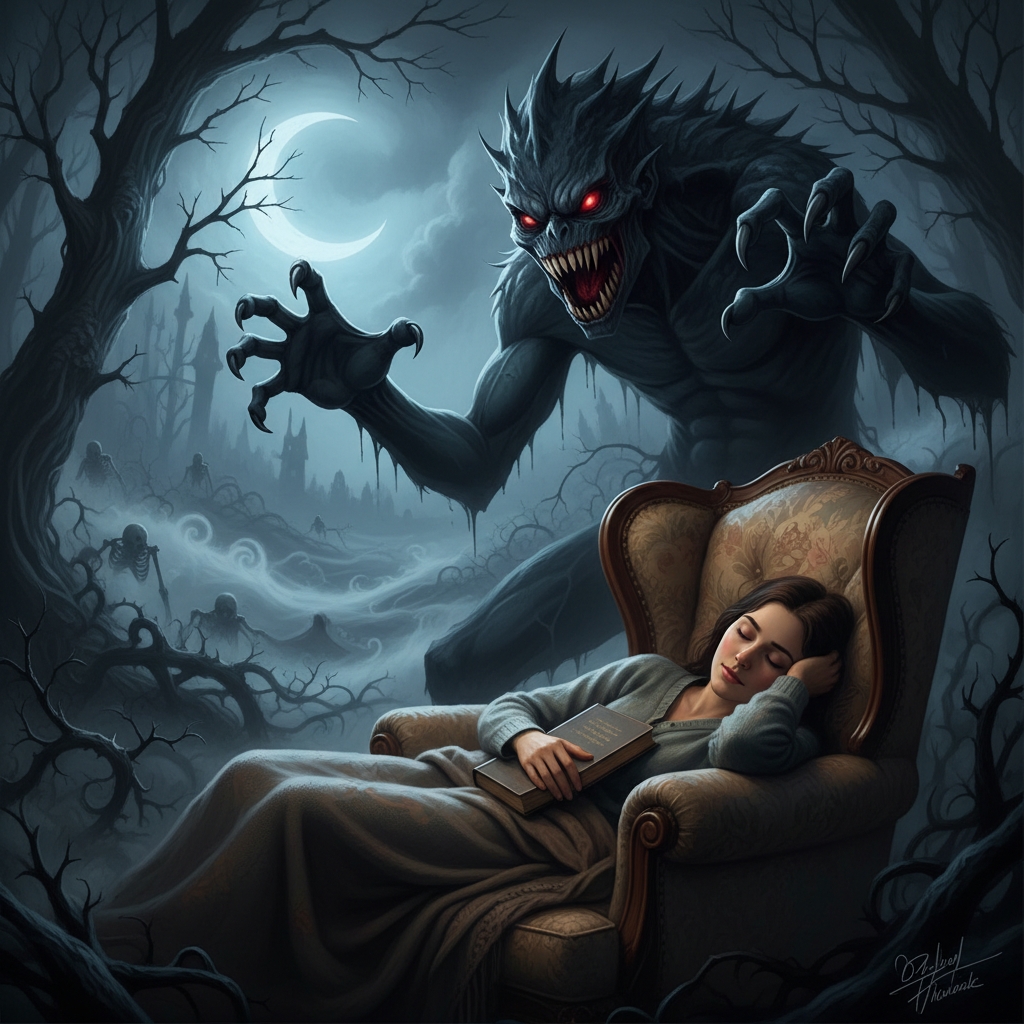
A horror movie is a form of storytelling that aims to evoke tension through atmosphere, pacing, and emotional contrast. It often draws on deep‑rooted human fears that have existed across cultures for centuries. These films use imagery, sound, and narrative structure to create a sense of unease that lingers even after the screen fades to black. Many people find them compelling because they offer a safe space to explore unsettling ideas. The experience can feel strangely energising, as the mind navigates between anticipation and surprise.
Horror films frequently reflect social anxieties, turning abstract worries into symbolic threats. They also provide a stage where characters confront situations that push them beyond their limits. This confrontation allows viewers to witness resilience in extreme circumstances. The genre thrives on unpredictability, which keeps audiences alert and engaged. The emotional intensity can create a memorable viewing experience. Through all of this, horror movies remain a unique way to explore the darker corners of imagination.
The Psychological Core Of Horror
Horror movies often tap into primal emotions that shape how people react to unfamiliar or threatening situations. They use suspense to heighten awareness, drawing viewers into a heightened state of alertness. The tension builds gradually, allowing the mind to anticipate what might happen next. This anticipation becomes part of the thrill, creating a dynamic interplay between fear and curiosity. Many films rely on subtle cues that trigger instinctive reactions. These cues can include shadows, silence, or sudden shifts in tone.
The genre often mirrors internal conflicts by externalising them through symbolic threats. This symbolic approach allows viewers to explore difficult emotions from a distance. The experience can feel cathartic because it provides a controlled environment for confronting fear. The emotional journey becomes part of the appeal. Through this process, horror movies reveal how deeply psychological responses shape the viewing experience.
Table Of Psychological Elements
| Element | Description | Influence On Viewer |
|---|---|---|
| Suspense | Gradual build of tension | Heightens alertness |
| Symbolism | Emotional themes represented visually | Encourages reflection |
| Atmosphere | Mood created through sound and imagery | Deepens immersion |
The Role Of Atmosphere In Horror
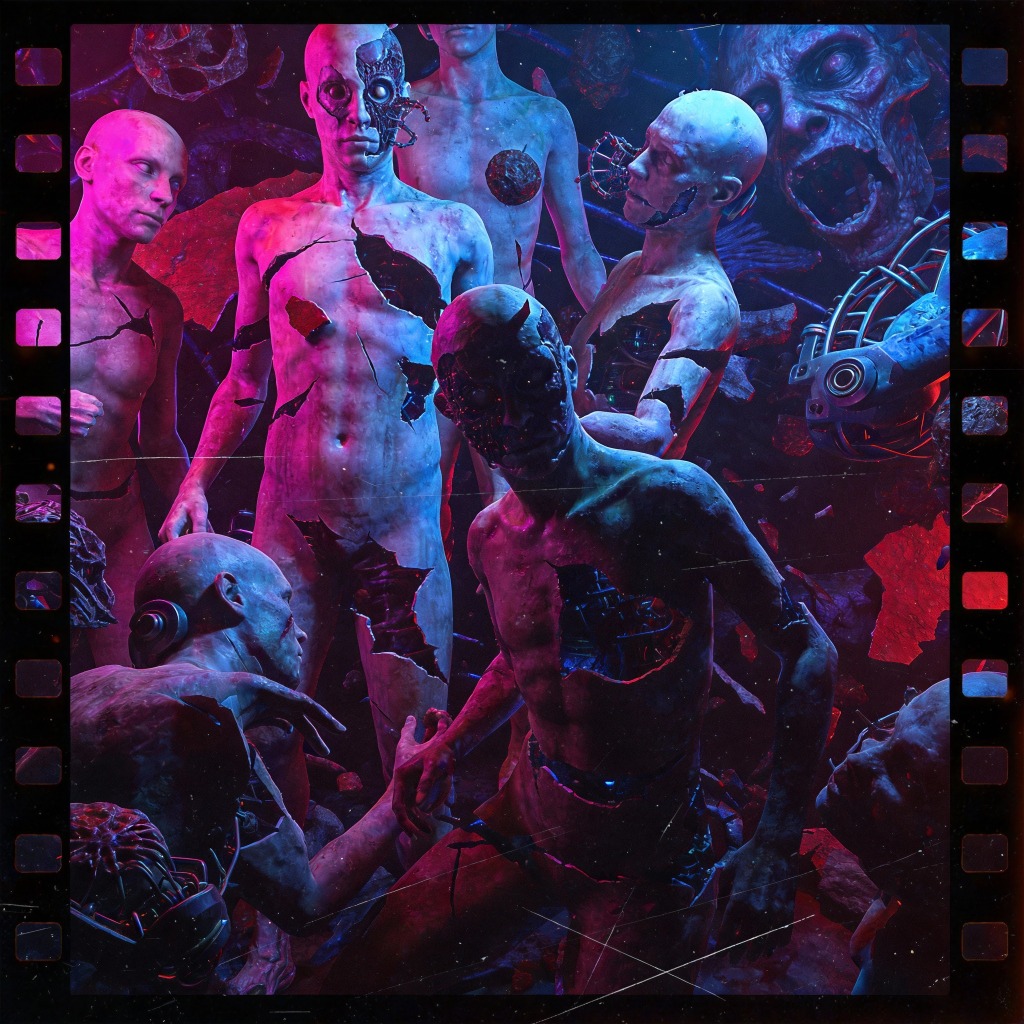
Atmosphere is one of the most powerful tools in horror filmmaking because it shapes the emotional tone of every scene. A well‑crafted atmosphere can make even ordinary settings feel charged with possibility. Filmmakers often use lighting to create contrast between safety and danger. Sound design plays a crucial role by amplifying subtle details that might otherwise go unnoticed.
The pacing of scenes contributes to a sense of anticipation that keeps viewers engaged. Many films rely on quiet moments to build tension before revealing something unexpected. This contrast between stillness and action creates a rhythm that feels both unsettling and captivating. The environment becomes a character in its own right, influencing how the story unfolds. Viewers often remember the mood of a film long after the plot fades. This lingering impression demonstrates the power of atmosphere. Through these elements, horror movies create emotional landscapes that shape the entire experience.
Key Atmospheric Features
- Lighting that creates contrast
- Soundscapes that heighten tension
- Pacing that builds anticipation
The Appeal Of Fear In A Safe Setting
Horror movies allow people to explore fear without facing real danger. This creates a unique emotional space where viewers can experience intensity while remaining secure. The controlled environment makes the experience feel manageable. Many people enjoy the adrenaline that comes from sudden surprises. The emotional rollercoaster can feel invigorating because it breaks routine.
The genre offers a chance to confront symbolic threats that reflect deeper concerns. This confrontation can feel empowering because it allows viewers to process emotions indirectly. The sense of relief after a tense moment adds to the enjoyment. The shared experience of watching horror with others can strengthen social bonds. The emotional highs and lows create memorable moments. Through this blend of fear and safety, horror movies offer a distinctive form of entertainment.
Table Of Safe Fear Dynamics
| Dynamic | Description | Effect On Viewer |
|---|---|---|
| Controlled environment | Fear without danger | Encourages exploration |
| Emotional contrast | Tension followed by relief | Creates excitement |
| Symbolic threats | Represent deeper concerns | Supports reflection |
The Importance Of Storytelling In Horror
A strong narrative gives horror movies depth beyond their frightening moments. The plot often revolves around characters facing situations that challenge their beliefs or stability. This narrative tension adds emotional weight to the scares. Many films use mystery to keep viewers invested in the unfolding events. The gradual revelation of information builds curiosity. Characters often undergo significant transformation as they confront escalating threats. These transformations highlight themes of resilience and vulnerability. The story becomes a framework that supports the emotional journey. Viewers connect more deeply when the narrative feels meaningful. The combination of plot and tension creates a layered experience. Through storytelling, horror movies become more than a series of frightening scenes.
Storytelling Strengths
- Character development that adds emotional depth
- Mystery that sustains interest
- Themes that resonate beyond the film
The Symbolic Nature Of Horror Imagery
Horror movies frequently use imagery to represent emotional or social concerns. These symbols allow filmmakers to explore complex ideas in a visual form. A creature might represent fear of the unknown. A haunted location might reflect unresolved memories. The symbolic approach gives the genre a rich interpretive layer. Viewers often find meaning in the way these images connect to personal experiences. The imagery can evoke emotions that words alone cannot capture. This visual language becomes part of the film’s identity. The symbols often linger in the mind long after the movie ends. This lingering effect contributes to the genre’s lasting impact. Through symbolism, horror movies communicate ideas that extend beyond the surface.
Table Of Symbolic Imagery
| Symbol | Meaning | Emotional Effect |
|---|---|---|
| Monster figure | Fear of the unknown | Heightens tension |
| Abandoned space | Past unresolved | Creates unease |
| Distorted reflection | Inner conflict | Encourages introspection |
The Social Themes Reflected In Horror
Many horror movies draw inspiration from societal concerns that shape collective anxieties. These themes often emerge through metaphors that reflect cultural tensions. The genre becomes a lens through which viewers examine shared fears. Filmmakers use exaggerated scenarios to highlight issues that might otherwise go unnoticed. This approach allows audiences to engage with difficult topics indirectly. The emotional intensity of horror makes these themes more memorable. The genre often explores power dynamics, isolation, or shifting norms. These themes resonate because they mirror real‑world experiences. The symbolic nature of horror allows for multiple interpretations. This flexibility makes the genre adaptable to changing times. Through social themes, horror movies remain relevant across generations.
Social Themes In Horror
- Power struggles represented through conflict
- Isolation depicted through confined settings
- Cultural shifts expressed through symbolic threats
The Role Of Sound In Creating Fear
Sound design is essential in shaping the emotional tone of horror films. Subtle noises can create tension even before anything appears on screen. Sudden bursts of sound can amplify shock. The absence of sound can be just as powerful, creating a sense of anticipation. Music often guides the viewer’s emotional response. Low frequencies can evoke unease by mimicking natural alarm signals. Sound effects highlight details that might otherwise be overlooked. The interplay between silence and noise creates a dynamic rhythm. This rhythm shapes how viewers experience each moment. The emotional impact of sound often lingers beyond the scene. Through sound, horror movies craft an immersive sensory experience.
Table Of Sound Techniques
| Technique | Description | Emotional Impact |
|---|---|---|
| Silence | Absence of audio | Builds anticipation |
| Sudden cues | Sharp bursts of sound | Intensifies shock |
| Low tones | Deep frequencies | Creates unease |
The Evolution Of Horror Across Time
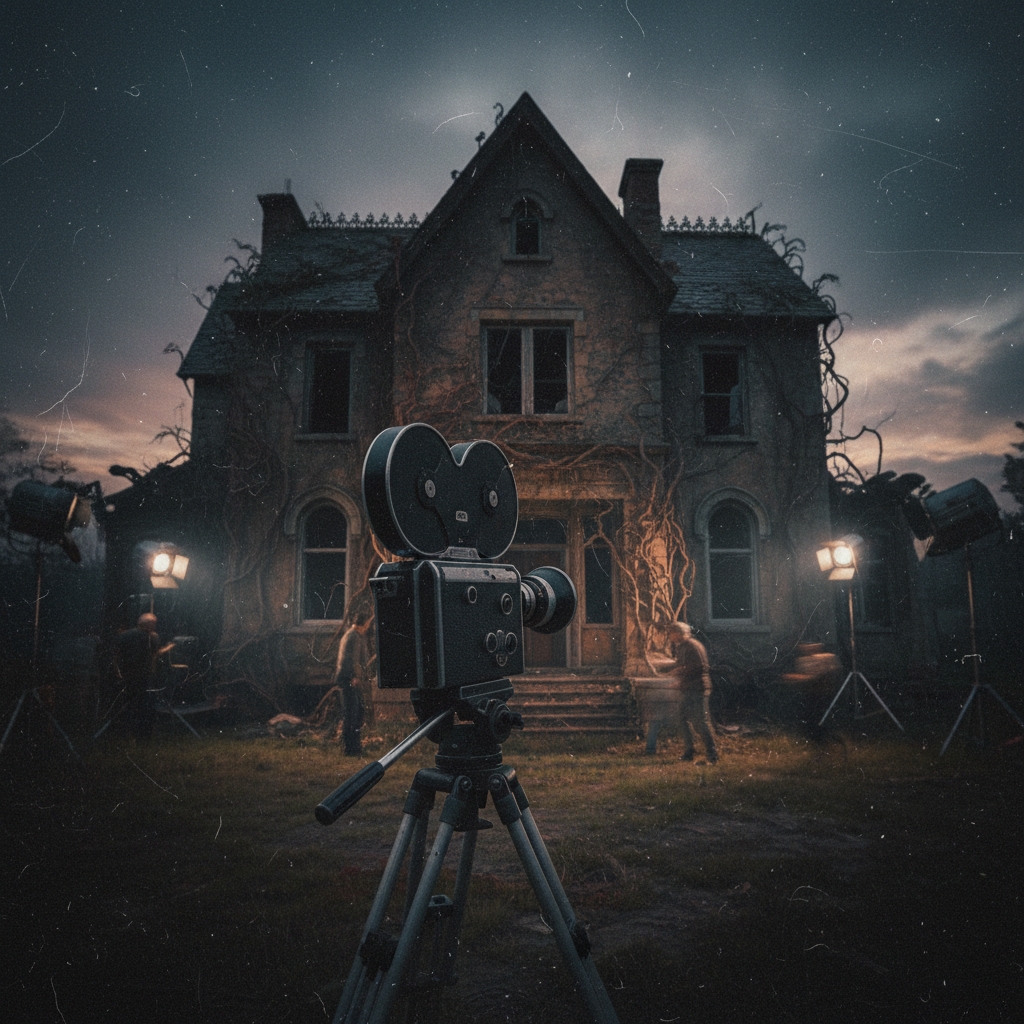
Horror movies have changed significantly as cultural values shift. Early films relied heavily on atmosphere and suggestion. Later eras introduced more elaborate visual effects. Each period reflects the concerns of its time. The genre adapts to new storytelling techniques. Advances in technology expand creative possibilities. The themes evolve as society changes. Despite these shifts, the core emotional appeal remains consistent. Viewers continue to seek the thrill of tension and release. The genre’s adaptability keeps it fresh. Through this evolution, horror maintains its place in cinematic history.
Evolutionary Highlights
- Shifting themes that reflect cultural changes
- Technological advances that expand creativity
- Consistent emotional appeal across eras
The Emotional Journey Of Watching Horror
Watching a horror movie often feels like embarking on a psychological adventure. The emotional shifts create a sense of movement that keeps viewers engaged. The tension builds gradually, drawing the audience deeper into the story. Moments of shock interrupt the rhythm, creating contrast. Relief follows, offering a brief pause before the next wave of tension. This cycle creates a memorable experience. The emotional journey can feel invigorating because it breaks routine. Viewers often feel more alert after watching a horror film. The shared experience can strengthen social bonds. The emotional intensity leaves a lasting impression. Through this journey, horror movies offer a unique form of engagement.
Table Of Emotional Stages
| Stage | Description | Effect |
|---|---|---|
| Anticipation | Waiting for the unknown | Heightens focus |
| Shock | Sudden surprise | Creates intensity |
| Relief | Emotional release | Restores balance |
Conclusion
A horror movie is far more than a collection of frightening scenes. It is a psychological exploration that uses atmosphere, symbolism, and emotional contrast to create a powerful experience. The genre thrives on tension that invites viewers to confront fear in a safe environment. Its storytelling often reflects deeper concerns that resonate across cultures. The emotional journey keeps audiences engaged through shifting rhythms of suspense and release.
Horror films adapt to changing times while maintaining their core appeal. Their symbolic imagery offers layers of meaning that extend beyond the screen. The genre’s ability to evoke strong reactions makes it memorable. Through sound, pacing, and visual design, horror movies create immersive worlds. These worlds allow viewers to explore emotions that might otherwise remain hidden. In this way, horror remains a compelling and enduring form of cinematic expression.