
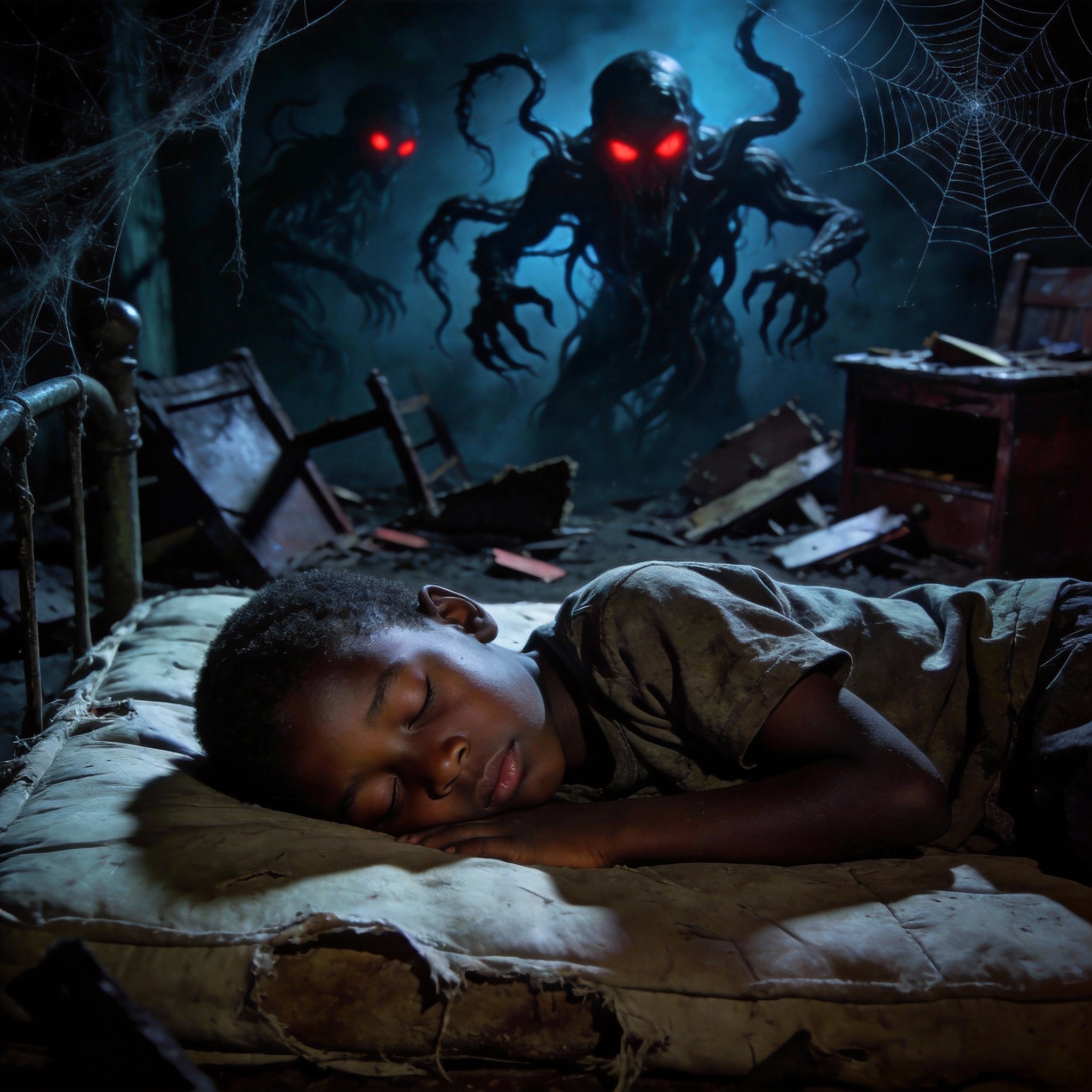
Are Movies Getting Less Scary Due To Not Enough Quiet And Too Much Sound
Are Movies Getting Less Scary
How Modern Horror Lost Its Nerve
Horror has always relied on contrast, tension, and the delicate balance between silence and sound to unsettle the audience, but in recent years many viewers have noticed a shift in how fear is delivered on screen. Instead of letting dread build slowly in the quiet, modern films often lean heavily on loud audio spikes, aggressive sound design, and constant musical cues that leave little room for the imagination to breathe. This change has sparked a growing conversation about whether horror is losing its edge because the genre no longer trusts silence to do its work. When everything is loud, nothing feels dangerous, and when every moment is filled with noise, the audience never gets the stillness required for true suspense.
The Vanishing Art Of Cinematic Silence
Silence once acted as a powerful tool in horror, creating a vacuum where the viewer’s imagination filled the space with tension far more potent than any sound effect. Modern films often avoid these quiet stretches, replacing them with constant audio cues that signal fear instead of letting it grow naturally. This shift reduces the psychological depth of horror, making scares feel predictable rather than creeping and atmospheric. Silence invites the audience to lean in, to anticipate, to feel the weight of what might happen next. Without it, the emotional rhythm of fear becomes flattened.
Table – How Silence Shapes Fear
| Element | Effect On Viewer | Emotional Outcome |
|---|---|---|
| Long Pauses | Heightened anticipation | Slow-building dread |
| Minimal Music | Focus on environment | Increased realism |
| Natural Ambience | Subtle tension | Unease without cues |
| Sudden Quiet | Disorientation | Vulnerability |
| Whispered Dialogue | Intimacy | Psychological closeness |
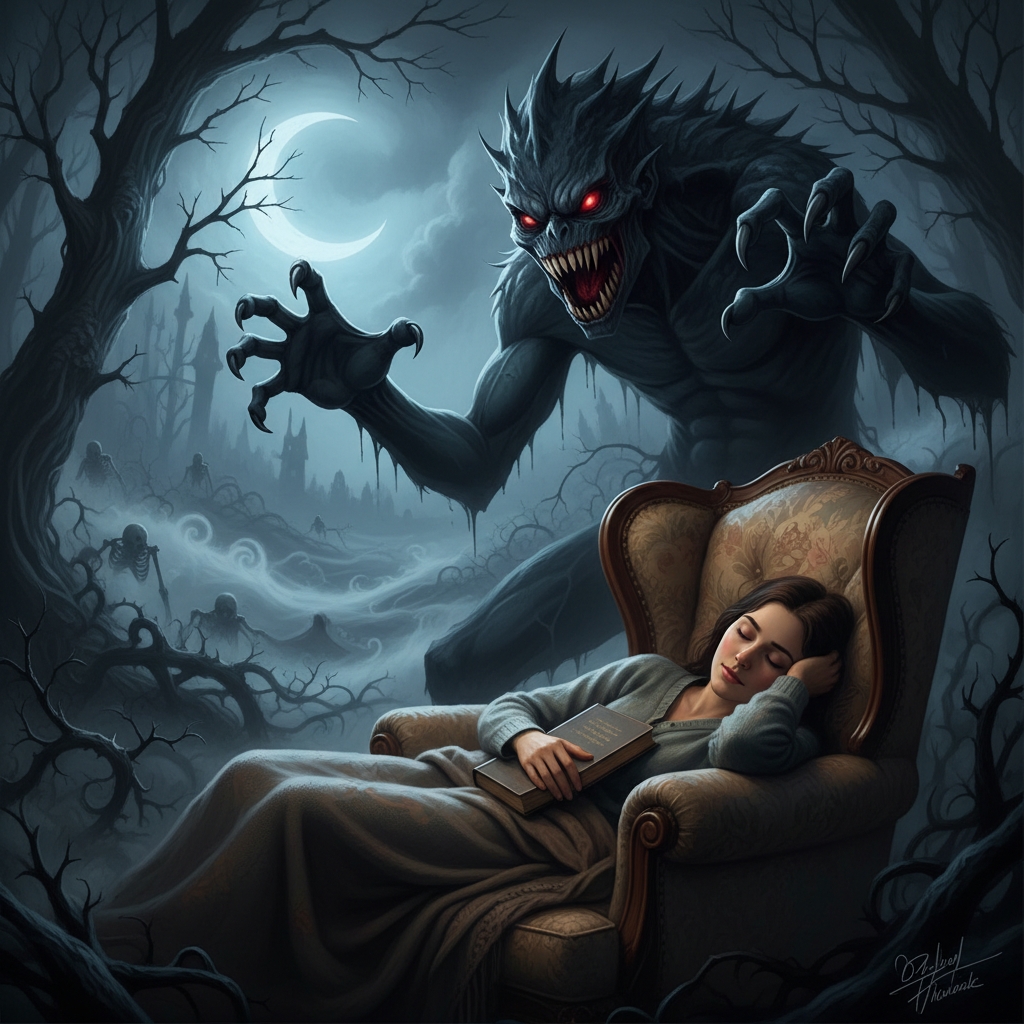
The Overuse Of Loud Audio Cues
Many modern horror films rely heavily on loud stingers, explosive sound effects, and aggressive musical hits to force reactions from the audience. While these techniques can be effective in moderation, their constant use diminishes their impact and makes the experience feel more like a reflex test than a crafted scare. Loudness becomes a shortcut for fear rather than a carefully placed tool. This approach often overwhelms the senses instead of unsettling them. The result is a genre that feels noisier but not necessarily scarier.
Points – Why Excessive Loudness Weakens Horror
- Loud audio cues become predictable when overused.
- Forced reactions replace genuine emotional tension.
- Noise overwhelms subtle storytelling.
- Viewers become desensitized to volume-based scares.
- Loudness disrupts atmospheric pacing.
The Loss Of Slow-Burn Suspense
Slow-burn horror thrives on patience, letting tension simmer until it becomes almost unbearable, but modern films often rush this process. Instead of allowing scenes to breathe, many productions fill every moment with sound or movement, leaving no room for the audience to feel the creeping dread that defines classic horror. This shift changes the emotional texture of fear, making it more immediate but less lasting. Slow-burn suspense requires trust in the viewer’s imagination, something fewer films seem willing to rely on. Without that trust, the genre loses one of its most powerful storytelling tools.
Table – Slow-Burn vs Fast-Paced Horror
| Approach | Strength | Weakness |
|---|---|---|
| Slow-Burn | Deep psychological impact | Requires patience |
| Fast-Paced | Immediate excitement | Less emotional depth |
| Quiet Tension | Builds atmosphere | Harder to execute |
| Loud Scares | Quick reactions | Short-lived fear |
| Minimalism | Strong immersion | Risk of subtlety lost |
The Impact Of Modern Sound Mixing
Advances in sound technology have given filmmakers incredible tools, but these tools can be misused when subtlety is ignored. Modern sound mixes often prioritise volume and intensity over nuance, creating an experience that feels more like an assault than a carefully crafted emotional journey. When everything is loud, the audience loses the ability to distinguish between meaningful cues and filler noise. This reduces the effectiveness of sound as a storytelling device. Horror thrives on contrast, and without it, the genre loses its emotional layering.
Points – How Sound Mixing Shapes Fear
- Balanced mixes create emotional contrast.
- Overly loud mixes flatten dynamic range.
- Subtle audio cues enhance realism.
- Quiet moments give sound meaning.
- Excessive volume reduces psychological impact.
The Decline Of Atmospheric Horror
Atmospheric horror relies on mood, pacing, and subtle sensory details to create unease, but modern films often prioritise spectacle over atmosphere. When sound dominates every moment, the delicate textures that define atmospheric storytelling get drowned out. This shift leads to horror that feels more like action than suspense. Atmosphere requires restraint, something that constant noise undermines. Without atmosphere, horror loses its lingering emotional presence.
Table – Elements Of Atmospheric Horror
| Element | Purpose | Emotional Effect |
|---|---|---|
| Ambient Sound | Creates realism | Sustained tension |
| Visual Stillness | Builds anticipation | Quiet dread |
| Sparse Dialogue | Enhances mystery | Psychological depth |
| Natural Silence | Grounds the scene | Immersive fear |
| Subtle Music | Supports mood | Emotional layering |
The Rise Of Predictable Jump Scares
Jump scares have become a staple of modern horror, but their effectiveness depends on timing, contrast, and silence. When films rely too heavily on loud audio spikes, jump scares become predictable and lose their emotional punch. The audience begins to anticipate the pattern, reducing the element of surprise. Silence is essential for a good jump scare because it creates the void that the scare disrupts. Without that void, the scare becomes mechanical rather than emotional.
Points – Why Jump Scares Need Silence
- Silence creates contrast for impact.
- Quiet moments build anticipation.
- Predictable patterns weaken surprise.
- Loudness alone cannot create fear.
- Emotional rhythm depends on pacing.
The Influence Of Audience Expectations
Modern audiences have grown accustomed to fast-paced entertainment, which influences how horror films are structured. Filmmakers may feel pressured to keep scenes constantly active or loud to maintain attention. This expectation reduces the space for quiet tension, which requires patience and focus. As a result, horror becomes more reactive and less contemplative. The genre shifts to meet demand, sometimes at the cost of emotional depth.
Table – Changing Audience Expectations
| Expectation | Result | Impact On Horror |
|---|---|---|
| Fast Pacing | Less quiet time | Reduced suspense |
| Constant Action | More noise | Less atmosphere |
| Quick Scares | Predictable patterns | Lower tension |
| High Energy | Loud sound design | Fewer subtle moments |
| Immediate Payoff | Shorter buildup | Weaker dread |
The Pressure Of Modern Editing Styles
Editing has become faster and more aggressive across genres, and horror is no exception. Rapid cuts and constant movement leave little room for stillness, which is essential for building fear. Quiet moments often get trimmed in favour of pacing that prioritises momentum over mood. This editing style can make horror feel more energetic but less emotionally resonant. Fear needs time to settle, and modern editing often denies it that space.
Points – Editing Choices That Affect Fear
- Rapid cuts reduce atmospheric buildup.
- Still shots create tension through anticipation.
- Quiet editing enhances psychological depth.
- Overactive pacing disrupts emotional rhythm.
- Editing shapes the viewer’s breathing pattern.
The Shift Toward Action-Horror Hybrids
Many modern horror films blend action elements into their structure, creating louder, faster, and more visually intense experiences. While this hybrid can be entertaining, it often sacrifices the quiet tension that defines traditional horror. Action relies on noise and movement, while horror relies on silence and stillness. When the two collide, horror often loses its subtlety. The result is a genre that feels exciting but not necessarily frightening.
Table – Action vs Horror Elements
| Element | Action Style | Horror Style |
|---|---|---|
| Sound | Loud, constant | Quiet, selective |
| Pacing | Fast | Slow |
| Movement | High energy | Minimal |
| Focus | Spectacle | Atmosphere |
| Emotional Goal | Excitement | Fear |
The Role Of Music In Modern Horror
Music once acted as a subtle emotional guide, but modern horror often uses it as a constant presence that leaves no room for silence. When music never stops, the audience loses the ability to feel the natural ebb and flow of tension. Silence between musical cues is essential for emotional contrast. Without it, the soundtrack becomes overwhelming rather than supportive. Horror needs musical restraint to maintain psychological depth.
Points – Music’s Influence On Fear
- Minimal scores enhance realism.
- Constant music reduces emotional contrast.
- Silence between cues builds anticipation.
- Overuse of soundtracks weakens atmosphere.
- Music should support, not dominate.
The Impact Of Home Viewing Habits
Many viewers now watch horror films at home, where distractions, background noise, and inconsistent audio setups affect how sound is experienced. Filmmakers may compensate by increasing volume and intensity to ensure scares land even in imperfect environments. This leads to louder mixes that rely less on silence. Home viewing changes how horror is crafted and consumed. The quiet subtleties of fear often get lost in the process.
Table – Home Viewing Challenges
| Challenge | Effect On Sound | Impact On Fear |
|---|---|---|
| Background Noise | Masks quiet cues | Reduced tension |
| Small Speakers | Weak bass | Less immersion |
| Distractions | Breaks focus | Lower suspense |
| Volume Limits | Reduced dynamics | Flattened emotion |
| Room Acoustics | Distorted sound | Inconsistent experience |
The Decline Of Psychological Horror
Psychological horror relies heavily on silence, subtlety, and internal tension, but modern sound-heavy films often overshadow these elements. When noise dominates, the viewer has less space to interpret, imagine, or emotionally engage with the story. Psychological horror thrives on ambiguity, something loud sound design often disrupts. This shift changes the emotional landscape of the genre. Fear becomes external rather than internal.
Points – Why Psychological Horror Needs Quiet
- Silence encourages introspection.
- Subtle cues create deeper unease.
- Loudness disrupts emotional nuance.
- Quiet scenes allow imagination to work.
- Psychological tension grows in stillness.
The Importance Of Breathing Room In Horror
Fear needs space to grow, and that space often comes from quiet moments where nothing seems to happen. Modern horror sometimes rushes through these moments, filling them with sound to maintain momentum. This reduces the emotional contrast that makes scares effective. Breathing room allows the audience to settle into the story before being jolted out of it. Without it, horror becomes a series of disconnected shocks.
Table – Emotional Rhythm In Horror
| Phase | Purpose | Emotional Effect |
|---|---|---|
| Quiet | Build tension | Anticipation |
| Rising Sound | Increase anxiety | Heightened focus |
| Silence | Reset senses | Vulnerability |
| Scare | Release tension | Shock |
| Aftermath | Emotional recovery | Reflection |
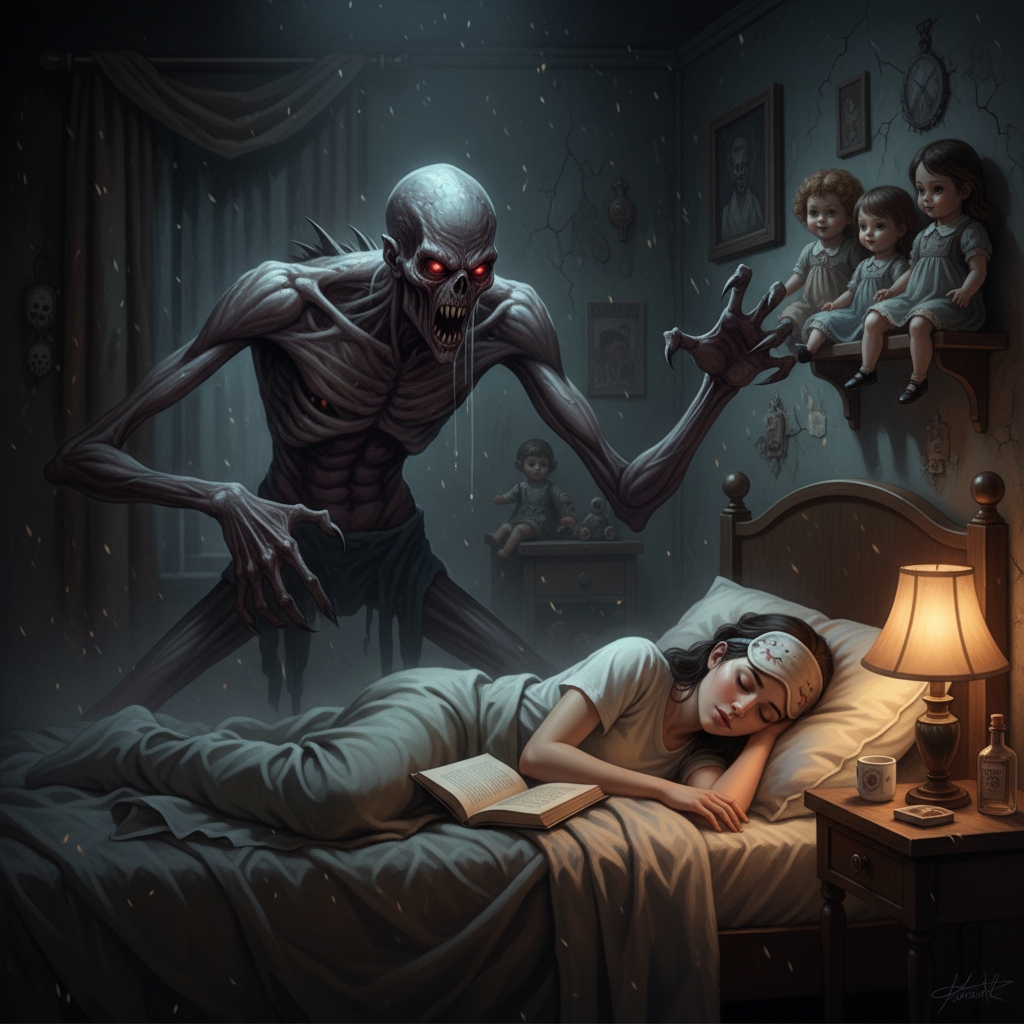
The Influence Of Technology On Fear Delivery
Advances in audio technology have made it easier to create loud, complex soundscapes, but this convenience can overshadow the artistry of restraint. Filmmakers may rely on these tools instead of crafting tension through pacing and silence. Technology becomes a shortcut rather than a storytelling device. This shift changes how fear is constructed and delivered. The emotional craft of horror risks being replaced by technical spectacle.
Points – Technology’s Effect On Horror
- Tools encourage louder mixes.
- Convenience replaces subtlety.
- High-tech sound can overshadow story.
- Quiet design requires more intention.
- Technology should enhance, not dominate.
The Future Of Silence In Horror
Despite current trends, many filmmakers and audiences are rediscovering the power of quiet, recognising that silence remains one of the most effective tools in horror. As the genre evolves, there may be a renewed appreciation for minimalism and restraint. Quiet horror offers a timeless emotional depth that loudness cannot replicate. The future may bring a balance between modern sound design and classic tension-building techniques. Silence may yet reclaim its place as the heart of fear.
Table – Potential Future Trends
| Trend | Description | Impact On Horror |
|---|---|---|
| Minimalist Sound | Reduced noise | Stronger tension |
| Dynamic Contrast | Balanced quiet and loud | Emotional depth |
| Psychological Focus | Internal fear | Subtle storytelling |
| Natural Ambience | Realistic soundscapes | Immersive dread |
| Selective Music | Strategic scoring | Enhanced atmosphere |
Conclusion
Horror thrives on contrast, and without the delicate interplay between quiet and sound, the emotional architecture of fear begins to collapse. Modern films often lean too heavily on loudness, sacrificing the subtle tension that once defined the genre. Silence is not empty; it is a powerful narrative tool that shapes anticipation, vulnerability, and psychological depth. As filmmakers and audiences continue to reflect on what truly makes horror frightening, the return of quiet may be essential to restoring the genre’s emotional impact. Fear grows in the spaces between sounds, and those spaces deserve to be heard.
Join The Discussion
Do you think modern horror relies too much on loudness, or do you feel the genre is evolving in the right direction?
#HorrorCinema #SoundAndSilence #ModernHorror #FearDesign #CinematicTension #AtmosphericHorror #QuietScares

One Comment