

The Cinema Food Culture Changing Appeal Exotic Food Trends
Cinema Food Culture – The Shift In Movie Snacks
Cinema food culture has long been defined by simple pleasures such as popcorn, ice cream, and soft drinks, which became iconic symbols of the movie-going experience. These foods were not only affordable but also easy to prepare and consume in the darkened environment of a theater. Over time, however, the rise of exotic food trends has reshaped expectations of what audiences want to eat while watching films.
The introduction of gourmet meals, international cuisines, and elaborate desserts has altered the cultural identity of cinema snacks. This shift has created both opportunities and challenges for theaters seeking to attract diverse audiences. While variety can be appealing, it has also diluted the nostalgic charm of traditional cinema foods.
Popcorn and ice cream once carried emotional weight as shared rituals across generations. Exotic food offerings, though innovative, often lack the same cultural resonance. The question arises whether this transformation has enhanced or diminished the communal experience of cinema dining. Understanding the balance between tradition and novelty is essential to grasp the broader cultural impact.
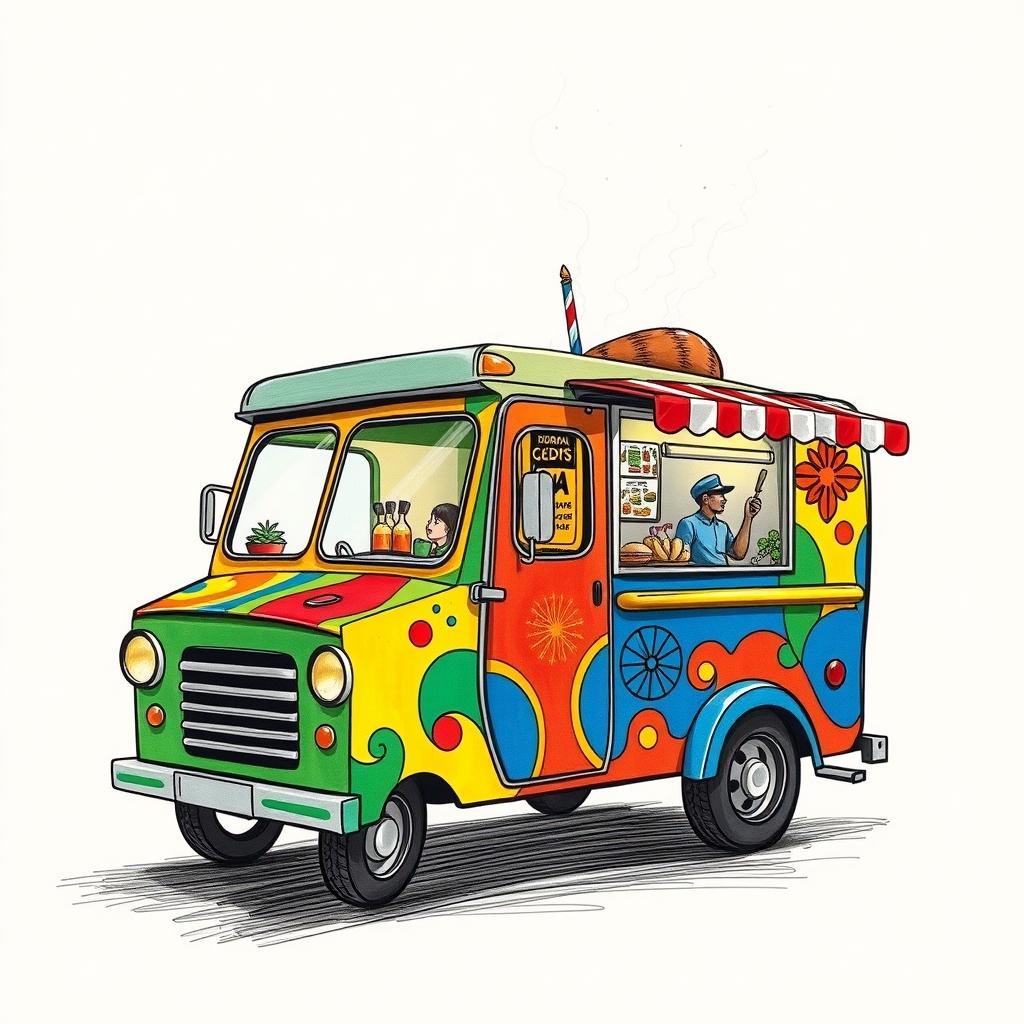
Historical Roots – Popcorn And Ice Cream At The Movies
Popcorn became a staple of movie theaters in the early twentieth century due to its low cost and high profit margin. Ice cream, though less dominant, offered a refreshing treat that complemented the excitement of cinema outings. These foods were accessible to families across economic backgrounds, reinforcing their role as democratic snacks. Their simplicity made them universally recognizable symbols of leisure and entertainment. The affordability of popcorn and ice cream ensured that cinema-going remained inclusive. These foods also carried sensory associations, with the smell of popcorn becoming inseparable from the theater experience.
Ice cream added a seasonal dimension, often linked to summer screenings and outdoor cinemas. Together, they formed a cultural pairing that defined the social ritual of movie nights. Their popularity was not accidental but tied to practical and cultural factors. Theaters relied on these snacks to sustain revenue while audiences embraced them as part of the cinematic tradition. This historical foundation explains why their decline in prominence raises questions about cultural continuity.
| Traditional Cinema Food | Key Features | Cultural Impact |
|---|---|---|
| Popcorn | Affordable, easy to prepare | Iconic smell and sound of cinema |
| Ice Cream | Refreshing, seasonal treat | Linked to leisure and family outings |
| Soft Drinks | Convenient, high-margin | Reinforced communal experience |
Globalization Of Food Trends – Exotic Options Enter The Scene
The globalization of food culture has introduced sushi, tacos, gourmet burgers, and artisanal desserts into cinema menus. These offerings reflect broader consumer demand for diverse and adventurous dining experiences. Theaters have responded by expanding their menus to compete with restaurants and cafes. Exotic foods often carry higher price points, appealing to audiences seeking premium experiences. However, this shift has also created barriers for those who valued the simplicity of traditional snacks.
The introduction of complex meals requires changes in theater infrastructure, including seating and service models. Exotic foods can enhance the sense of novelty but may disrupt the casual ease of cinema dining. The cultural identity of popcorn and ice cream is overshadowed by the prestige of global cuisines. This transformation reflects broader social changes in how food is consumed and valued. Yet, it raises questions about whether cinema should prioritize novelty over tradition. The balance between accessibility and exclusivity remains contested. Audiences are divided between nostalgia and innovation.
- Exotic foods increase menu diversity but reduce simplicity.
- Higher costs limit accessibility compared to traditional snacks.
- Infrastructure changes alter the casual nature of cinema dining.
- Global cuisines overshadow nostalgic foods like popcorn.
- Premium experiences appeal to some but alienate others.
Economic Motivations – Profit Margins And Market Expansion
Cinema operators often justify exotic food offerings by pointing to higher profit margins. Gourmet meals and specialty drinks can generate significantly more revenue than traditional snacks. This economic incentive drives theaters to prioritize novelty over nostalgia. Popcorn, while profitable, cannot compete with the margins of full meals. Ice cream, though popular, is seasonal and less reliable as a revenue stream.
Exotic foods also allow theaters to market themselves as lifestyle destinations rather than simple entertainment venues. This strategy aligns with broader trends in consumer culture emphasizing experiences over products. However, the pursuit of profit risks alienating audiences who value affordability. The economic motivations behind exotic food adoption reveal the tension between inclusivity and exclusivity. Theaters must balance financial sustainability with cultural responsibility. The decline of traditional cinema foods is not merely cultural but deeply tied to economic logic. Understanding this dynamic is crucial to evaluating the broader impact of exotic food trends.
| Food Type | Average Cost To Consumer | Profit Margin | Accessibility |
|---|---|---|---|
| Popcorn | Low | High | Universal |
| Ice Cream | Moderate | Moderate | Seasonal |
| Exotic Meals | High | Very High | Limited |
Cultural Identity – Nostalgia And Shared Rituals
Cinema food culture is not only about consumption but also about shared identity. Popcorn and ice cream became symbols of collective memory, linking generations through common experiences. Exotic foods, while diverse, often lack this cultural resonance. The smell of popcorn evokes nostalgia that gourmet meals cannot replicate. Ice cream carries associations with childhood and family outings. These foods are embedded in the cultural fabric of cinema-going.
Exotic offerings, though innovative, risk fragmenting this shared identity. The communal aspect of cinema dining is weakened when audiences consume individualized meals. Nostalgia plays a powerful role in shaping cultural preferences. The decline of traditional snacks represents a loss of cultural continuity. Theaters must consider whether novelty enhances or undermines the communal experience. Food culture in cinemas is inseparable from broader cultural identity. Preserving traditional snacks may be essential to maintaining this heritage.
- Popcorn evokes nostalgia across generations.
- Ice cream symbolizes family leisure.
- Exotic foods lack shared cultural resonance.
- Individualized meals weaken communal identity.
- Nostalgia shapes cultural preferences and continuity.
Social Stratification – Accessibility And Exclusivity
Exotic food offerings often create divisions between audiences based on affordability. Traditional snacks were accessible to all, reinforcing cinema as a democratic space. Gourmet meals, however, introduce exclusivity that can alienate lower-income audiences. This shift reflects broader social stratification in consumer culture. Theaters risk becoming spaces of privilege rather than inclusivity. Popcorn and ice cream symbolized equality in access to leisure.
Exotic foods undermine this democratic ethos by prioritizing premium experiences. Accessibility is central to the cultural identity of cinema dining. The decline of traditional snacks represents a shift toward exclusivity. This transformation raises questions about the social role of cinemas. Should theaters prioritize inclusivity or profitability? The answer shapes the future of cinema food culture. The tension between accessibility and exclusivity is at the heart of this debate.
| Food Offering | Accessibility | Social Impact |
|---|---|---|
| Popcorn | Universal | Reinforces equality |
| Ice Cream | Moderate | Seasonal inclusivity |
| Exotic Meals | Limited | Creates exclusivity |
Sensory Experience – The Smell And Sound Of Tradition
Cinema food culture is deeply tied to sensory experiences. The smell of popcorn is inseparable from the theater environment. The crunch of popcorn enhances the auditory dimension of cinema dining. Ice cream adds a tactile and refreshing element to the experience. Exotic foods, while flavorful, often lack these sensory associations. Gourmet meals may distract from the cinematic focus.
The sensory simplicity of traditional snacks complements the immersive nature of film. Exotic offerings risk competing with the sensory experience of the movie itself. Popcorn and ice cream enhance rather than disrupt the cinematic environment. Their decline represents a loss of sensory continuity. Theaters must consider the sensory impact of food offerings. Sensory experiences shape cultural identity as much as taste. Preserving traditional snacks may be essential to maintaining sensory heritage.
- Popcorn smell defines theater environments.
- Crunch adds auditory dimension to cinema dining.
- Ice cream provides tactile refreshment.
- Exotic foods distract from cinematic focus.
- Sensory simplicity complements immersion.
Infrastructure Challenges – Serving Exotic Foods In Cinemas
The introduction of exotic foods requires significant changes in theater infrastructure. Traditional snacks were easy to prepare and serve without disrupting operations. Exotic meals demand kitchens, specialized staff, and new seating arrangements. These changes increase operational costs and complexity. Theaters must balance efficiency with novelty. Popcorn and ice cream required minimal infrastructure, reinforcing their practicality. Exotic foods challenge the logistical simplicity of cinema dining. Infrastructure changes also alter the casual nature of cinema outings. Theaters risk becoming restaurants rather than entertainment venues. This transformation raises questions about the identity of cinemas. Should theaters prioritize dining or film? The infrastructure challenges highlight the tension between tradition and innovation. The decline of traditional snacks is tied to these logistical realities.
| Food Type | Infrastructure Needs | Operational Impact |
|---|---|---|
| Popcorn | Minimal | Efficient |
| Ice Cream | Moderate | Seasonal impact |
| Exotic Meals | Extensive | High complexity |
Marketing Strategies – Positioning Cinemas As Lifestyle Destinations
Cinemas increasingly market themselves as lifestyle destinations rather than simple entertainment venues. Exotic food offerings play a central role in this strategy, aligning with broader consumer trends toward experiential consumption. Gourmet meals and international cuisines allow theaters to compete with restaurants and cafes. Popcorn and ice cream, though iconic, lack the prestige associated with exotic foods.
Marketing campaigns emphasize novelty, exclusivity, and sophistication to attract premium audiences. This approach redefines cinema as a holistic leisure experience rather than a simple film screening. However, it risks alienating audiences who value tradition and affordability. Theaters must balance the appeal of lifestyle branding with the preservation of cultural heritage. Popcorn and ice cream remain powerful symbols of nostalgia that marketing cannot easily replace. Exotic foods may enhance brand image but weaken cultural continuity. The tension between tradition and innovation is reflected in marketing strategies. The future of cinema food culture depends on how theaters navigate this balance.
- Exotic foods enhance brand prestige.
- Marketing emphasizes novelty and exclusivity.
- Popcorn and ice cream lack lifestyle branding appeal.
- Premium strategies risk alienating traditional audiences.
- Balance between heritage and innovation is essential.

Audience Expectations – Shifting Consumer Demands
Modern audiences increasingly expect variety and sophistication in their dining experiences. Exotic foods cater to these evolving expectations by offering novelty and diversity. Popcorn and ice cream, while nostalgic, may appear outdated to younger generations. The rise of foodie culture has heightened demand for gourmet options. Social media amplifies these expectations by showcasing exotic cinema menus. Audiences now view dining as part of the entertainment package.
Traditional snacks struggle to compete with the allure of global cuisines. However, nostalgia remains a powerful force among older audiences. The generational divide shapes the future of cinema food culture. Theaters must adapt to diverse expectations without abandoning tradition. Audience demands reflect broader cultural shifts in consumption. The decline of traditional snacks is tied to these evolving preferences.
| Audience Group | Preferred Food | Cultural Impact |
|---|---|---|
| Older Generations | Popcorn, Ice Cream | Nostalgia and continuity |
| Younger Generations | Exotic Meals | Novelty and diversity |
| Families | Affordable Snacks | Accessibility and inclusivity |
Cultural Consequences – Loss Of Shared Identity
The decline of traditional cinema foods carries significant cultural consequences. Popcorn and ice cream symbolized shared identity across generations. Exotic foods fragment this identity by introducing individualized experiences. The communal smell of popcorn is replaced by diverse aromas lacking cultural resonance. Ice cream’s association with family outings is overshadowed by gourmet desserts.
The loss of shared rituals weakens the cultural fabric of cinema-going. Exotic foods may enhance novelty but diminish continuity. Theaters risk eroding the communal aspect of cinema dining. Cultural consequences extend beyond food to the meaning of cinema itself. The decline of traditional snacks represents a broader cultural transformation. Preserving shared identity requires balancing novelty with tradition. Food culture is central to the social role of cinemas. The cultural consequences highlight the importance of heritage preservation.
- Popcorn and ice cream symbolized shared identity.
- Exotic foods fragment communal experiences.
- Loss of shared rituals weakens cultural fabric.
- Novelty diminishes continuity.
- Heritage preservation is essential to cultural identity.
Comparative Analysis – Tradition Versus Novelty
Comparing traditional and exotic cinema foods reveals contrasting cultural impacts. Popcorn and ice cream represent simplicity, affordability, and nostalgia. Exotic foods symbolize novelty, diversity, and exclusivity. Traditional snacks reinforce communal identity while exotic meals emphasize individualized experiences. Popcorn and ice cream require minimal infrastructure, while exotic foods demand complex logistics. Traditional foods are universally accessible, while exotic meals create social stratification. The sensory associations of popcorn and ice cream are unmatched by gourmet options.
Exotic foods enhance brand prestige but weaken cultural continuity. The comparative analysis highlights the tension between tradition and innovation. Theaters must decide whether to prioritize heritage or novelty. The decline of traditional snacks reflects broader cultural shifts. Comparative analysis underscores the importance of balance in cinema food culture.
| Aspect | Traditional Foods | Exotic Foods |
|---|---|---|
| Accessibility | Universal | Limited |
| Cultural Identity | Nostalgia | Novelty |
| Infrastructure | Minimal | Complex |
| Sensory Impact | Strong | Weak |
| Profit Margins | High | Very High |
Future Prospects – Balancing Heritage And Innovation
The future of cinema food culture depends on balancing heritage with innovation. Popcorn and ice cream remain powerful symbols of nostalgia. Exotic foods reflect evolving consumer demands and global trends. Theaters must integrate novelty without abandoning tradition. Hybrid strategies may preserve cultural continuity while embracing diversity. Popcorn and ice cream can be upgraded with design and flavours to coexist with gourmet options. The challenge lies in maintaining accessibility and inclusivity. Theaters must avoid alienating audiences through exclusivity. Preserving sensory heritage is essential to cultural identity. The future of cinema food culture is shaped by these choices. Balancing heritage and innovation ensures sustainability. The decline of traditional snacks is not inevitable but contingent on strategic decisions.
- Popcorn and ice cream remain cultural symbols.
- Exotic foods reflect global trends.
- Hybrid strategies preserve continuity.
- Accessibility must be maintained.
- Strategic decisions shape future prospects.

Conclusion – Preserving The Essence Of Cinema Food Culture
Cinema food culture has undergone significant transformation with the rise of exotic offerings. Popcorn and ice cream, once iconic symbols of shared identity, face decline in prominence. Exotic foods enhance novelty but risk fragmenting communal experiences. Economic motivations, marketing strategies, and evolving audience expectations drive this shift. However, the cultural consequences highlight the importance of heritage preservation. Popcorn and ice cream carry sensory and nostalgic associations that gourmet meals cannot replicate. Theaters must balance profitability with inclusivity and tradition.
Thefuture of cinema food culture depends on strategic integration of novelty and heritage. Preserving traditional snacks ensures continuity across generations. Exotic foods may coexist with tradition if managed thoughtfully. The decline of traditional cinema foods is not inevitable but a choice. The conclusion emphasizes the need to preserve the essence of cinema food culture.
Join The Discussion – Share Your Perspective
The transformation of cinema food culture raises important questions about tradition, novelty, and identity. Do exotic foods enhance or diminish the communal experience of cinema-going? Should theaters prioritize profitability or heritage preservation? How can traditional snacks coexist with global cuisines? Your perspective is vital to understanding the future of cinema food culture.
#CinemaCulture #FoodHeritage #PopcornTradition #ExoticFoodDebate #MovieExperience #CulturalContinuity #CinemaDining #FoodIdentity #SharedRituals #CinemaFuture






2 Comments