Pure Studio Sound And Playback Sound Magical Difference
Studio Sound And Playback Sound – Understanding Audio Perspectives
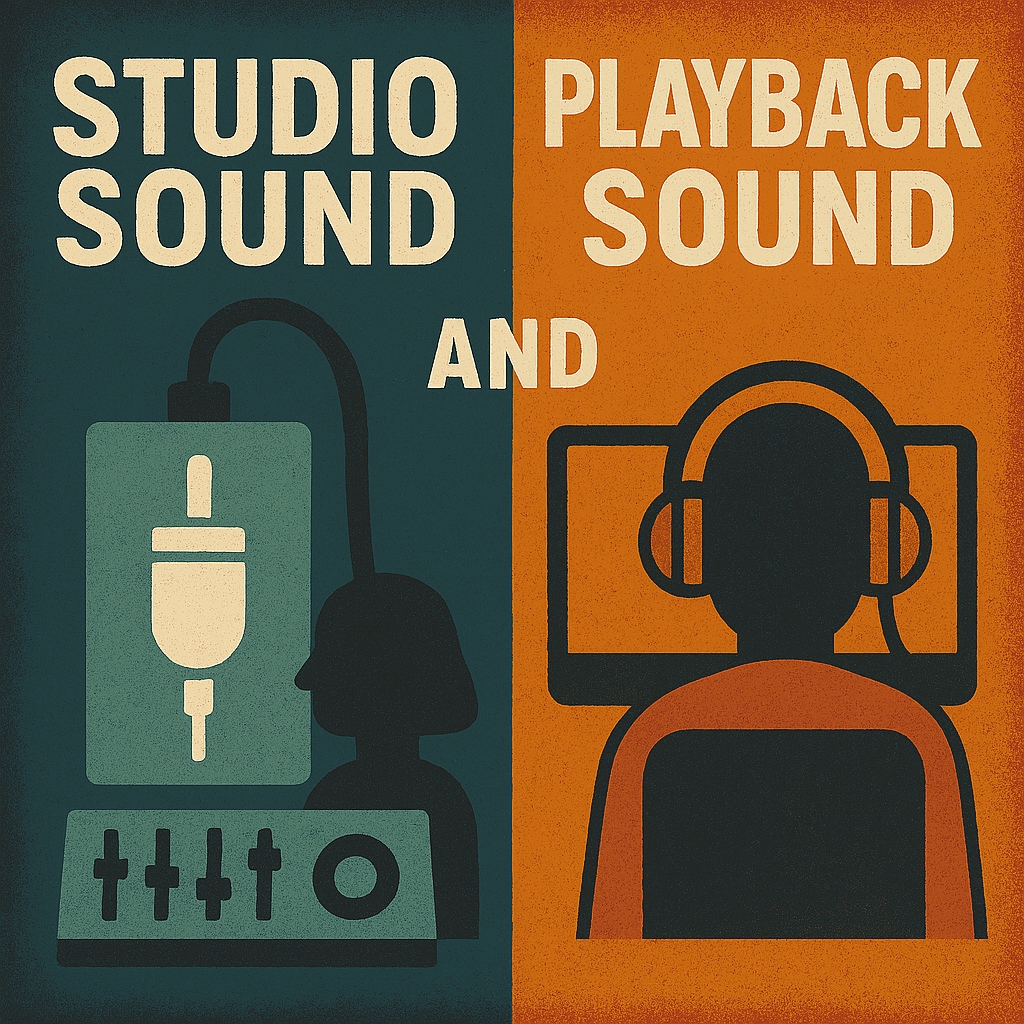
In the world of sound engineering and music appreciation, the distinction between studio sound and playback sound is fundamental. Studio sound refers to the raw, unprocessed audio captured and monitored during recording, mixing, and mastering. It is designed to be neutral, accurate, and revealing, allowing engineers to identify flaws and make precise adjustments. Playback sound, on the other hand, is the final output experienced by listeners through consumer devices. It is often shaped by enhancements, coloration, and environmental factors to create a pleasing auditory experience.
Technical Foundations – Signal Path And Processing
Studio sound is built on a foundation of transparency. The goal is to capture and monitor audio with minimal coloration, using equipment that emphasizes accuracy over enjoyment. Studio monitors, interfaces, and software are calibrated to reveal every detail, including imperfections. Playback sound, however, is shaped by the final mastering process and the characteristics of consumer playback systems. Equalization, compression, and spatial enhancements are often applied to make the sound more engaging. The signal path in studio environments is linear and controlled, while playback systems introduce variability based on hardware, room acoustics, and listener preferences.
| Aspect | Studio Sound | Playback Sound |
|---|---|---|
| Signal Path | Linear and controlled | Variable and device-dependent |
| Processing | Minimal, accuracy-focused | Enhanced for enjoyment |
| Equipment | Studio monitors, interfaces | Speakers, headphones, soundbars |
| Objective | Reveal flaws and detail | Deliver pleasing experience |

Frequency Response – Flat Versus Enhanced
One of the most defining differences lies in frequency response. Studio sound aims for a flat response, meaning no frequency range is emphasized. This neutrality allows engineers to hear the mix as it truly is, ensuring balanced adjustments. Playback sound often features boosted bass, sculpted mids, or enhanced treble to appeal to listener preferences. Consumer speakers and headphones are designed to make music sound exciting, even if that means deviating from the original mix. The contrast between flat and enhanced frequency responses shapes how music is perceived across different environments.
- Studio monitors deliver flat frequency response for accuracy
- Playback systems often boost bass for impact
- Treble enhancements add sparkle to playback sound
- Midrange sculpting improves vocal clarity in consumer devices
- Flat response reveals flaws and imbalances in the mix
- Enhanced response masks imperfections for enjoyment
- Studio sound prioritizes truth over taste
- Playback sound prioritizes pleasure over precision
- Engineers rely on neutrality to make informed decisions
- Listeners rely on coloration to enjoy music
Monitoring Environment – Controlled Versus Variable
Studio sound is monitored in acoustically treated environments designed to minimize reflections, standing waves, and external noise. This controlled setting ensures that what the engineer hears is as close to the actual signal as possible. Playback sound occurs in diverse environments—living rooms, cars, headphones—each introducing its own acoustic characteristics. These variables affect how sound is perceived, often requiring mastering engineers to anticipate playback conditions and adjust accordingly. The contrast between controlled and variable environments underscores the importance of context in sound design.
Equipment Design – Purpose-Built Versus Consumer-Oriented
| Feature | Studio Equipment | Playback Equipment |
|---|---|---|
| Design Goal | Accuracy and transparency | Enjoyment and convenience |
| Speaker Type | Nearfield monitors | Full-range speakers, headphones |
| Amplification | Flat response amplifiers | Coloration-friendly amplifiers |
| Build Quality | Rugged, precise components | Aesthetic and ergonomic focus |
| Connectivity | Balanced inputs, high-resolution | Bluetooth, RCA, consumer ports |
Sound Character – Analytical Versus Emotional
Studio sound is analytical by nature. It exposes every nuance, from subtle reverb tails to phase issues, allowing engineers to make surgical adjustments. Playback sound is emotional, designed to evoke feelings and enhance musicality. The same track can sound sterile in the studio and vibrant during playback, depending on how it is processed and presented. This duality reflects the different goals of each domain, one seeks truth, the other seeks impact.
- Studio sound reveals flaws and technical details
- Playback sound enhances musical emotion
- Analytical listening supports precision editing
- Emotional listening supports enjoyment
- Studio sound may feel cold or clinical to casual listeners
- Playback sound may obscure technical issues
- Engineers use studio sound to shape the final product
- Listeners use playback sound to experience the result
- Studio sound is a tool for creation
- Playback sound is a medium for consumption
Dynamic Range – Precision Versus Compression
Dynamic range is the extension of how sound reacts and refers to the full difference between the quietest lowest sound to the loudest parts of a sound. Studio sound preserves this range to allow for detailed mixing and mastering. Playback sound often compresses dynamic range to ensure consistent loudness across devices and environments. This compression can reduce subtlety but increase accessibility, making music sound fuller and more present on small speakers or in noisy settings.
| Attribute | Studio Sound | Playback Sound |
|---|---|---|
| Dynamic Range | Wide and preserved | Compressed and limited |
| Loudness | Variable, mix-dependent | Consistent, device-optimized |
| Detail | High resolution | Reduced nuance |
| Impact | Subtle and layered | Immediate and bold |
Listener Experience – Professional Versus Casual
The experience of listening to studio sound is fundamentally different from playback sound. Studio sound requires trained ears and technical understanding to interpret correctly. It is not designed for enjoyment but for evaluation. Playback sound, conversely, is tailored for casual listening, with enhancements that make music more engaging. The difference in experience reflects the roles each sound type plays in the music lifecycle.
- Studio sound demands critical listening skills
- Playback sound is accessible to all listeners
- Engineers focus on mix balance and clarity
- Listeners focus on rhythm, melody, and emotion
- Studio sound is part of the creative process
- Playback sound is part of the consumption process
- Studio environments are quiet and focused
- Playback environments are diverse and dynamic
- Studio sound supports decision-making
- Playback sound supports enjoyment
Use Cases – Production Versus Enjoyment
| Use Case | Studio Sound | Playback Sound |
|---|---|---|
| Mixing | Essential | Not applicable |
| Mastering | Critical | Reference only |
| Casual Listening | Not ideal | Primary purpose |
| Sound Design | Foundational | Secondary role |
| Evaluation | Precise and detailed | General impression |
Calibration And Standards – Reference Versus Preference
Studio sound adheres to calibration standards, including reference levels, speaker placement, and room treatment. These standards ensure consistency across studios and allow mixes to translate well to playback systems. Playback sound is shaped by personal preference, with users adjusting EQ settings, volume, and device choice to suit their taste. The contrast between reference and preference highlights the divide between professional consistency and consumer customization.
- Studio sound follows industry calibration standards
- Playback sound adapts to user preferences
- Reference levels ensure mix translation
- EQ settings personalize playback experience
- Studio monitors are placed for optimal imaging
- Playback speakers vary in placement and quality
- Engineers rely on consistency for accuracy
- Listeners rely on flexibility for enjoyment
- Standards support professional workflows
- Preferences support individual expression
Translation Challenges – From Studio To Listener
One of the biggest challenges in audio production is ensuring that studio sound translates well to playback systems. Engineers must anticipate how their mix will sound on various devices, from high-end headphones to smartphone speakers. This requires testing across multiple playback environments and making compromises to preserve musical integrity. The translation process bridges the gap between studio precision and playback variability.
| Challenge | Studio Sound | Playback Sound |
|---|---|---|
| Device Compatibility | Limited | Broad |
| Acoustic Environment | Controlled | Unpredictable |
| Listener Expectations | Technical accuracy | Emotional impact |
| Mix Translation | Requires testing | Subject to interpretation |
Psychological Impact – Cognitive Versus Emotional
Studio sound engages the cognitive faculties, requiring focus, analysis, and technical judgment. Playback sound engages emotional faculties, triggering memories, moods, and physical responses. This psychological difference explains why the same track can feel different depending on context. Engineers must balance both aspects to create music that is technically sound and emotionally resonant.
- Studio sound activates analytical thinking
- Playback sound activates emotional response
- Engineers listen for flaws and balance
- Listeners respond to groove and tone
- Studio sound supports problem-solving
- Playback sound supports mood enhancement
- Cognitive engagement drives precision
- Emotional engagement drives enjoyment
- Studio sound is a tool for creation
- Playback sound is a reward for completion
Evolution Of Technology – Convergence And Divergence
Advancements in audio technology have blurred the lines between studio and playback sound. High-end consumer devices now offer studio-like accuracy, while some studio tools incorporate playback simulation features. Despite this convergence, the core purposes remain distinct. Studio sound continues to serve creation and refinement, while playback sound serves enjoyment and distribution.
| Trend | Studio Sound | Playback Sound |
|---|---|---|
| Accuracy | Increasing | Improving |
| Accessibility | Professional | Universal |
| Simulation | Playback emulation | Studio presets |
| Purpose | Creation | Consumption |

Acoustic Translation – How Sound Behaves Across Spaces
Acoustic translation describes the way audio changes as it moves from the controlled precision of a studio to the unpredictable environments where listeners experience playback. In a studio, every surface, angle, and material is chosen to minimize reflections and ensure that the sound reaching the engineer’s ears is as close as possible to the original signal. Playback environments, however, introduce countless variables such as furniture, wall materials, speaker placement, and even the listener’s position in the room.
These differences mean that a mix that sounds perfectly balanced in the studio may shift dramatically when played in a living room, car, or open space. Understanding acoustic translation is essential for engineers who must anticipate how their work will behave in the real world, and for listeners who may not realize how much their environment shapes what they hear.
| Acoustic Factor | Studio Sound | Playback Sound |
|---|---|---|
| Room Treatment | Fully controlled | Highly variable |
| Reflections | Minimized | Often significant |
| Listener Position | Fixed and optimized | Unpredictable |
| Sound Consistency | High | Dependent on environment |
| Translation Accuracy | Precise | Subject to change |
Emotional Interpretation – How Context Shapes Perception
Emotional interpretation plays a powerful role in how studio sound and playback sound are experienced, because the listener’s environment, mood, and expectations influence how audio is perceived. In the studio, the focus is on technical accuracy, and the emotional response is secondary to the analytical process of shaping the mix. Playback sound, however, is deeply tied to personal context, with listeners forming emotional connections based on memories, cultural influences, and the atmosphere in which they hear the music.
A track that feels clinical in the studio may feel warm, nostalgic, or energizing during playback, depending on the listener’s surroundings and emotional state. This difference highlights how sound is not only a technical construct but also a psychological experience shaped by the listener’s internal world.
- Playback sound triggers emotional memory
- Studio sound encourages analytical focus
- Listener mood influences playback perception
- Cultural context shapes emotional response
- Studio environments minimize emotional bias
- Playback environments amplify personal meaning
- Emotional interpretation varies widely between listeners
- Studio sound supports objective decision-making
- Playback sound supports subjective enjoyment
- Context determines how sound is ultimately felt
Creative Intent – Artistic Vision Versus Consumer Experience
Creative intent is at the heart of the divide between studio sound and playback sound, because artists and engineers craft audio with a specific vision that must survive the journey from controlled studio conditions to diverse playback environments. In the studio, the goal is to realize the artist’s creative direction with precision, ensuring that every instrument, vocal, and effect is placed exactly where it belongs in the mix. Playback sound, however, filters that intent through the limitations and characteristics of consumer devices, which may emphasize or diminish certain elements.
This means that the final experience of a song is a collaboration between the creator’s vision and the listener’s environment. The challenge for engineers is to create mixes that honor artistic intent while still translating effectively across headphones, speakers, cars, and public spaces.
| Creative Element | Studio Sound | Playback Sound |
|---|---|---|
| Artistic Detail | Fully preserved | Partially altered |
| Mix Balance | Precisely controlled | Device-dependent |
| Spatial Imaging | Accurate and intentional | Often reduced |
| Listener Interpretation | Guided by mix | Influenced by playback |
| Creative Fidelity | High | Variable |
Conclusion – Two Worlds Of Sound
Studio sound and playback sound represent two distinct phases in the lifecycle of audio. Studio sound is the domain of creation, refinement, and precision, where engineers sculpt every detail with accuracy and intent. It is analytical, revealing, and often unforgiving, designed to expose flaws and guide decisions. Playback sound is the domain of enjoyment, distribution, and emotional resonance. It is shaped by consumer preferences, device characteristics, and environmental factors, transforming the technical into the experiential. Understanding the difference between these two worlds allows producers to craft music that translates effectively and helps listeners appreciate the depth behind the sound they enjoy. The bridge between studio and playback is not just technical—it is cultural, emotional, and perceptual.
Join The Discussion
Have you ever noticed how a song sounds different in the studio versus on your headphones or speakers? Whether you’re a producer, audiophile, or casual listener, your perspective adds depth to the conversation.
#StudioSound #PlaybackSound #AudioEngineering #MusicProduction #SoundDesign #HiFi #MixingAndMastering #ListeningExperience #SoundQuality #AudioCulture