The Good And Bad Of Reading Classics For New Audiences
Reading Classics For New Audiences
Classics have always held a special place in storytelling, offering narratives that have survived generations and continue to shape the cultural imagination. When these works are adapted for new audiences through movies, television, or stage productions, they carry both the weight of tradition and the opportunity for reinvention. Modern viewers often approach these stories with different expectations, shaped by contemporary values, pacing, and visual language. This creates a fascinating tension between preserving the original spirit and making the material accessible to people who may be encountering it for the first time.
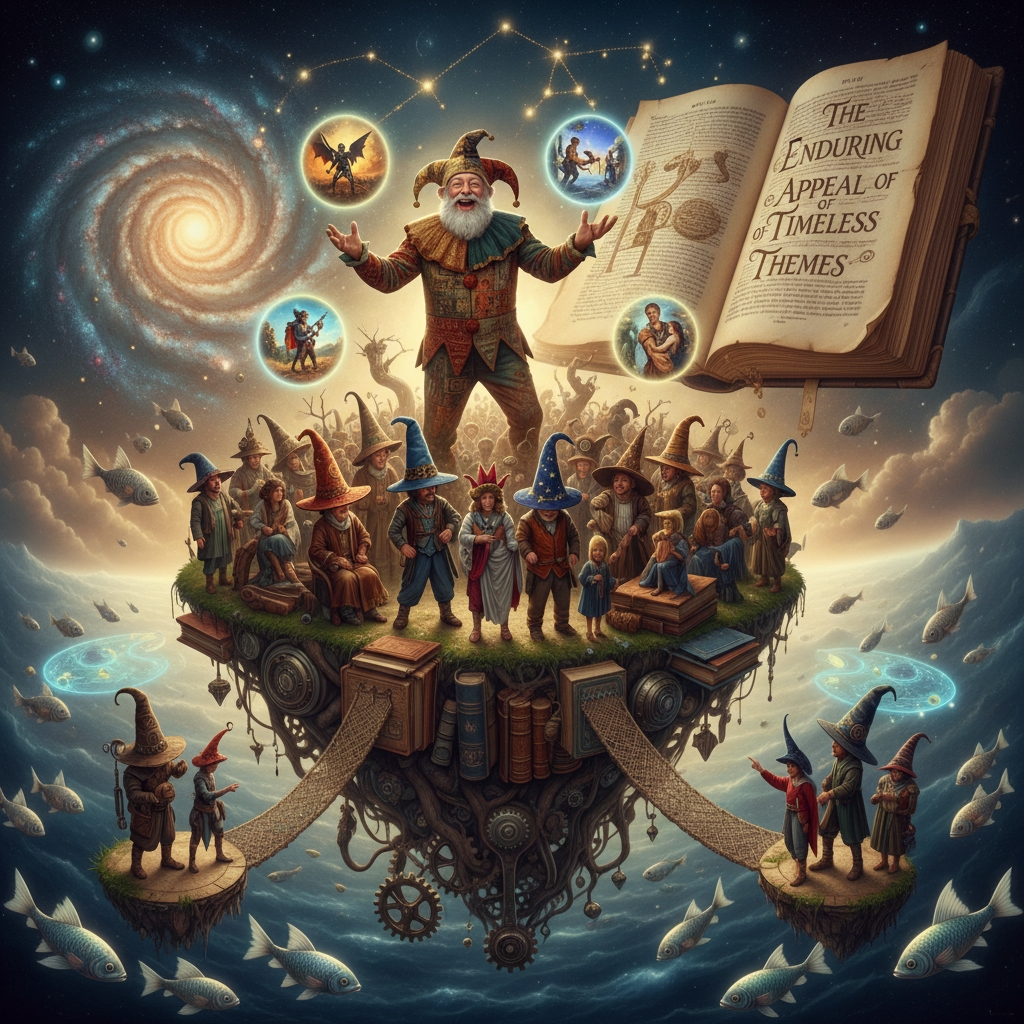
The Enduring Appeal Of Timeless Themes
Classics often endure because they explore universal themes such as love, ambition, betrayal, identity, and morality, which remain relevant regardless of era. When adapted for new audiences, these themes can resonate even more strongly because they are presented through modern storytelling techniques. The emotional core of these works continues to speak to viewers who may not be familiar with the original text. This timelessness is one of the greatest strengths of adapting classics for contemporary formats. It allows old stories to feel alive again.
Table – Universal Themes And Their Modern Appeal
| Theme | Why It Endures | Modern Audience Response |
|---|---|---|
| Love | Emotional truth | Strong connection |
| Ambition | Personal growth | Relatability |
| Betrayal | Human conflict | Dramatic tension |
| Identity | Self-discovery | Cultural relevance |
| Morality | Ethical questions | Thoughtful reflection |
The Challenge Of Updating Language And Dialogue
Many classics use language that feels distant or overly formal to modern audiences, which can create a barrier to emotional engagement. Adaptations often attempt to bridge this gap by simplifying dialogue or reinterpreting it in a more contemporary tone. While this can make the story more accessible, it also risks losing the poetic rhythm or stylistic nuance of the original work. Filmmakers and playwrights must decide how much to modernise without compromising authenticity. This delicate balance shapes how effectively the adaptation communicates its message.
Points – Why Language Updates Are Difficult
- Older writing styles can feel unfamiliar.
- Modern audiences expect naturalistic dialogue.
- Simplification risks losing literary beauty.
- Cultural references may no longer resonate.
- Tone must remain faithful while still feeling fresh.

The Visual Reinvention Of Classic Stories
Adapting classics for film, television, or stage allows creators to reimagine settings, costumes, and visual styles in ways that bring new life to familiar narratives. Modern production design can highlight themes that were less visible in earlier interpretations. Visual reinvention also helps younger audiences connect with stories that might otherwise feel distant. However, bold stylistic choices can sometimes overshadow the original intent. The success of visual reinvention depends on how well it complements the heart of the story.
Table – Visual Adaptation Approaches
| Approach | Description | Effect On Audience |
|---|---|---|
| Period Accuracy | Faithful recreation | Historical immersion |
| Modernisation | Contemporary setting | Increased relatability |
| Stylised Worlds | Artistic interpretation | Unique atmosphere |
| Minimalist Design | Focus on performance | Emotional clarity |
| Hybrid Aesthetics | Mixed eras | Creative reinterpretation |
The Risk Of Losing Nuance In Simplified Adaptations
Classics often contain layers of meaning that unfold slowly, requiring patience and attention from the reader. When adapted for screen or stage, these layers may be condensed or removed entirely to fit time constraints or modern pacing expectations. This can result in a version that feels streamlined but lacks the depth that made the original compelling. Audiences may enjoy the adaptation but miss the richness of the source material. Simplification is both a practical necessity and a creative challenge.
Points – Why Nuance Is Hard To Preserve
- Time limits force narrative compression.
- Subplots may be removed for clarity.
- Symbolism can be lost in visual translation.
- Character motivations may be simplified.
- Emotional complexity may be reduced.
The Opportunity To Introduce Classics To New Generations
One of the greatest benefits of adapting classics is the chance to introduce important stories to audiences who might never read the original text. Movies, TV shows, and stage productions can spark curiosity and encourage viewers to explore the source material. These adaptations serve as cultural bridges, connecting past and present. They also ensure that classic stories remain part of the collective imagination. This accessibility is a powerful argument in favour of modern reinterpretations.
Table – How Adaptations Reach New Audiences
| Method | Benefit | Audience Reaction |
|---|---|---|
| Film Releases | Wide exposure | Renewed interest |
| TV Series | Extended storytelling | Deeper engagement |
| Stage Revivals | Live experience | Emotional impact |
| School Productions | Educational value | Early appreciation |
| Streaming Platforms | Easy access | Broader reach |
The Debate Over Creative Freedom Versus Fidelity
Adaptations often spark debate about how closely they should follow the original work. Some viewers prefer faithful retellings that preserve every detail, while others appreciate bold reinterpretations that bring new perspectives. Creative freedom allows artists to explore themes that may have been overlooked or underdeveloped. However, too much deviation can alienate fans of the original. The tension between fidelity and innovation is central to the adaptation process.
Points – Factors In The Fidelity Debate
- Respect for the original author.
- Audience expectations and nostalgia.
- Cultural relevance of reinterpretation.
- Artistic vision of the creators.
- Balance between tradition and innovation.
The Impact Of Modern Values On Classic Narratives
Contemporary audiences often view classic stories through the lens of modern values, which can highlight outdated ideas or problematic themes. Adaptations may choose to address these issues directly, reinterpret them, or remove them entirely. This process can make the story more inclusive and relevant, but it may also alter the original message. The challenge lies in honouring the past while acknowledging the present. Modern values shape how classics are understood and retold.
Table – Modern Values And Their Influence
| Value | Influence On Adaptation | Audience Response |
|---|---|---|
| Diversity | Inclusive casting | Broader connection |
| Gender Equality | Updated roles | Contemporary relevance |
| Social Awareness | Reframed themes | Deeper reflection |
| Mental Health | Nuanced portrayal | Emotional resonance |
| Cultural Sensitivity | Revised content | Respectful storytelling |

The Emotional Power Of Familiar Stories
Classics often evoke strong emotional responses because they are woven into cultural memory. When adapted, these stories carry a sense of familiarity that can heighten emotional impact. Audiences may feel nostalgia, comfort, or renewed appreciation. This emotional power can make adaptations deeply meaningful. However, familiarity can also create high expectations that are difficult to meet.
Points – Why Familiarity Matters
- It creates instant emotional connection.
- It strengthens audience investment.
- It enhances thematic resonance.
- It encourages intergenerational sharing.
- It deepens cultural identity.
The Creative Possibilities Of Reinterpretation
Reinterpreting classics allows creators to explore new angles, themes, or character dynamics that were not emphasised in the original. This can lead to fresh insights and unexpected emotional depth. Reinterpretation keeps classic stories alive by allowing them to evolve with the times. It also invites audiences to reconsider familiar narratives in new ways. Creative reinterpretation is one of the most exciting aspects of adapting classics.
Table – Forms Of Reinterpretation
| Form | Description | Creative Effect |
|---|---|---|
| Genre Shift | Changing tone or style | New emotional texture |
| Character Focus | Highlighting new perspectives | Deeper empathy |
| Structural Change | Altered narrative order | Fresh pacing |
| Thematic Expansion | Emphasising new ideas | Broader meaning |
| Visual Reimagining | Updated aesthetics | Modern appeal |
The Risk Of Alienating Fans Of The Original
Fans of classic works often have strong emotional attachments to the original text, making them sensitive to changes in adaptation. When reinterpretations diverge too far from the source material, they may feel betrayed or disappointed. This reaction can overshadow the creative merits of the adaptation. Filmmakers must navigate this emotional landscape carefully. Alienation is a real risk when adapting beloved classics.
Points – Why Fans React Strongly
- Deep personal connection to the original.
- Nostalgia for earlier interpretations.
- Fear of losing the story’s essence.
- Concern about misrepresentation.
- Emotional investment in characters.
The Educational Value Of Classic Adaptations
Adaptations can serve as powerful educational tools, helping students and general audiences understand historical contexts, literary themes, and cultural traditions. Visual storytelling often makes complex ideas more accessible. Teachers frequently use film or stage versions to complement reading assignments. These adaptations can spark discussions that deepen understanding. Education becomes a meaningful byproduct of adaptation.
Table – Educational Benefits
| Benefit | Description | Outcome |
|---|---|---|
| Visual Learning | Easier comprehension | Stronger retention |
| Historical Insight | Contextual detail | Broader awareness |
| Thematic Clarity | Highlighted ideas | Deeper analysis |
| Character Study | Performance interpretation | Emotional understanding |
| Cultural Exposure | Diverse perspectives | Expanded worldview |
The Commercial Pressures Behind Adaptations
Studios and production companies often adapt classics because they come with built-in recognition and audience interest. This commercial motivation can lead to rushed or formulaic adaptations that prioritise profit over artistic integrity. However, commercial success can also fund more ambitious or experimental projects. The relationship between changing or adapting art and finance and commerce is complex. Understanding these pressures helps explain why some adaptations succeed while others fall short.
Points – Commercial Influences
- Marketability of familiar titles.
- Pressure to appeal to broad audiences.
- Budget constraints and expectations.
- Franchise potential.
- Studio involvement in creative decisions.
The Role Of Performance In Bringing Classics To Life
Actors play a crucial role in translating classic characters for modern audiences. Their interpretations can reveal new emotional layers or highlight aspects of the character that were less visible in the original text. Strong performances can elevate an adaptation, making it feel fresh and relevant. However, miscasting or inconsistent acting can undermine the entire production. Performance is one of the most influential elements in adapting classics.
Table – Performance Factors
| Factor | Influence | Result |
|---|---|---|
| Emotional Depth | Character authenticity | Viewer connection |
| Physicality | Embodied storytelling | Believability |
| Vocal Delivery | Tone and rhythm | Immersion |
| Chemistry | Relationship dynamics | Dramatic impact |
| Interpretation | Creative choices | Fresh perspective |
The Balance Between Tradition And Innovation
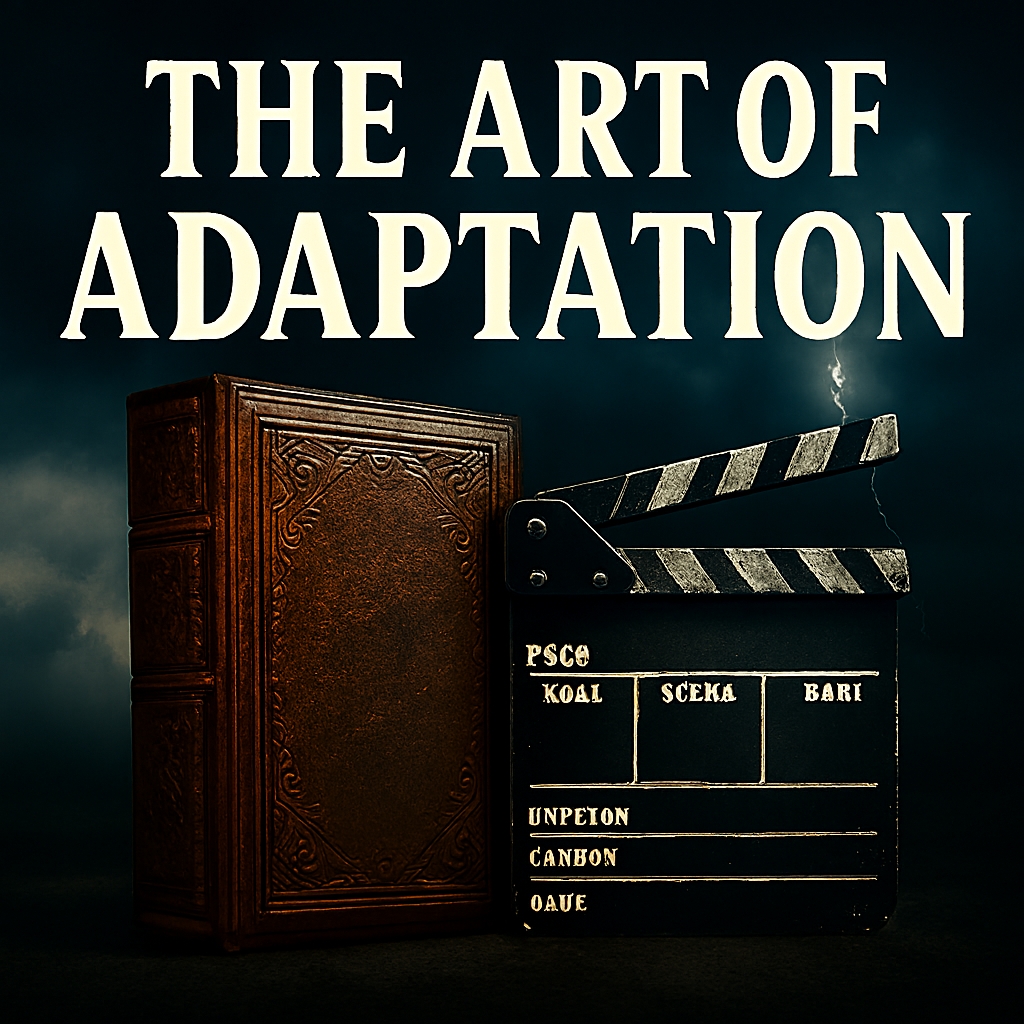
Adaptations must strike a balance between honouring the original work and offering something new. Too much tradition can make the adaptation feel outdated, while too much innovation can disconnect it from its roots. This balance is what determines whether the adaptation resonates with both longtime fans and new audiences. Achieving it requires thoughtful creative decisions. The best adaptations find harmony between past and present.
Points – Elements That Require Balance
- Visual style and tone.
- Character interpretation.
- Narrative structure.
- Thematic emphasis.
- Cultural relevance.
The Future Of Classic Adaptations
As technology evolves and storytelling trends shift, adaptations of classic works will continue to change. Virtual production, diverse casting, and new narrative formats offer exciting possibilities for reimagining familiar stories. Future adaptations may explore perspectives that were previously overlooked or marginalised. The challenge will be maintaining the integrity of the original while embracing innovation. The future of classic adaptations is full of potential.
Table – Emerging Trends In Adaptation
| Trend | Description | Potential Impact |
|---|---|---|
| Virtual Production | Digital environments | Enhanced immersion |
| Inclusive Casting | Broader representation | Cultural relevance |
| Nonlinear Storytelling | Reordered narratives | Fresh engagement |
| Hybrid Genres | Mixed styles | Creative expansion |
| Interactive Media | Audience participation | New experiences |
Conclusion
Adapting classics for new audiences is both an opportunity and a challenge, offering the chance to preserve beloved stories while reimagining them for a changing world. These adaptations can introduce timeless themes to younger generations, spark meaningful conversations, and breathe new life into narratives that have shaped culture for centuries. At the same time, they must navigate the complexities of modern values, audience expectations, and artistic interpretation. The good and bad of adapting classics reflect the evolving relationship between tradition and innovation. Ultimately, these stories endure because they continue to speak to the human experience, no matter how many times they are retold.
Join The Discussion
Do you prefer faithful adaptations of classic stories, or do you enjoy bold reinterpretations that take creative risks?
#ClassicAdaptations #TimelessStories #ModernRetellings #CinemaAndStage #StorytellingEvolution