Masterful Speaker Stands And Their Impact On Sound Quality
Speaker Stands And Their Impact On Sound Quality
Speaker Stands And Sound Quality
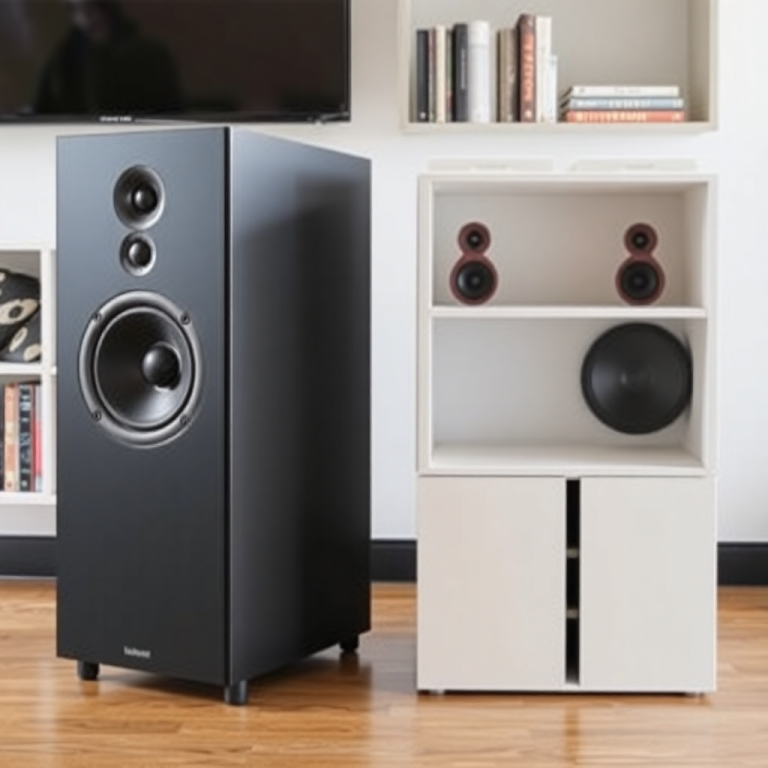
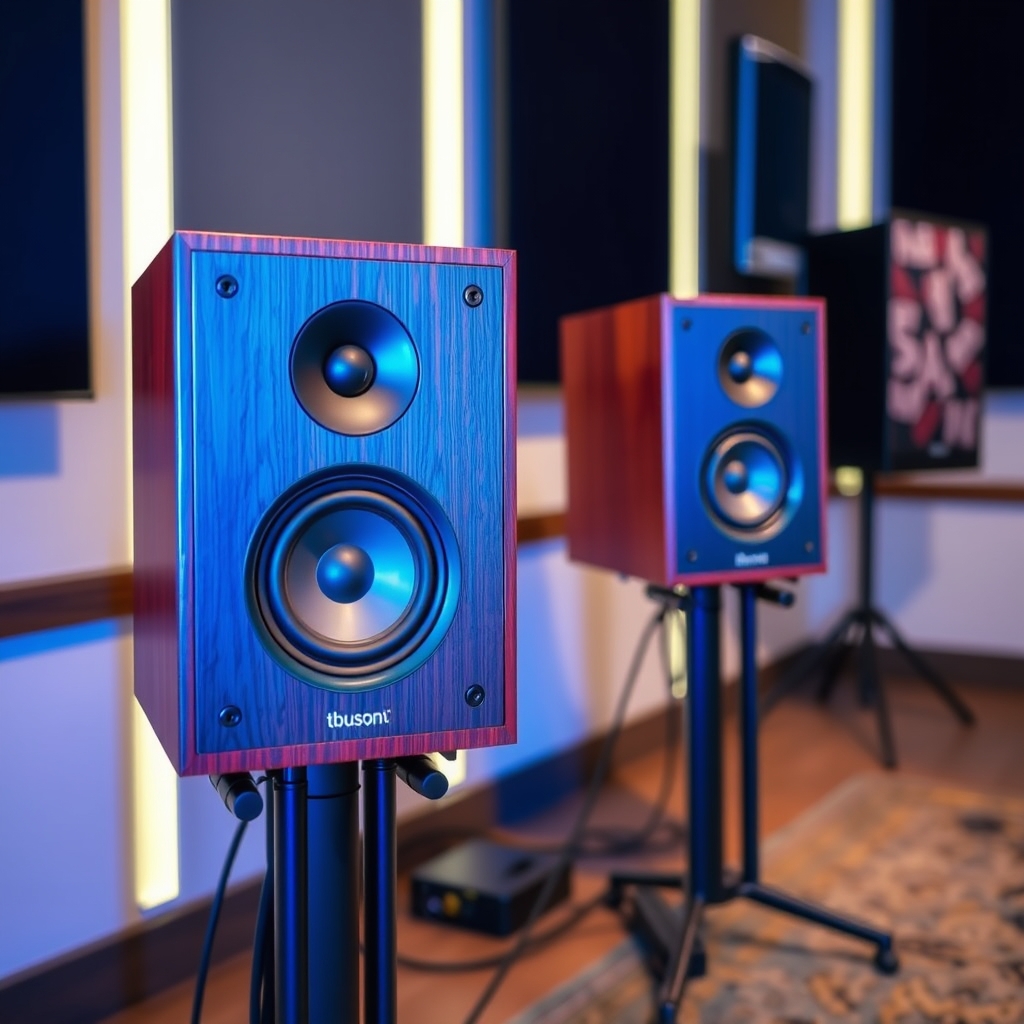
Speaker stands are essential tools that influence how audio systems perform in real-world environments and the idea of Speaker Stands And Sound Quality. They elevate speakers to the correct height, ensuring sound reaches listeners at ear level. This adjustment improves clarity and stereo imaging, making music and dialogue more natural. Stands also isolate speakers from vibrations that can distort sound. By decoupling speakers from furniture or floors, they preserve accuracy across all frequencies. They contribute to room acoustics by reducing reflections and enhancing direct sound.
Aesthetic integration is another benefit, as stands create a clean and professional look. Flexibility of placement allows users to experiment with positioning for optimal results. Comfort is improved because sound is delivered at the right angle and height. Overall, stands transform listening into a precise and immersive experience.
Speaker Stands And Proper Height Alignment
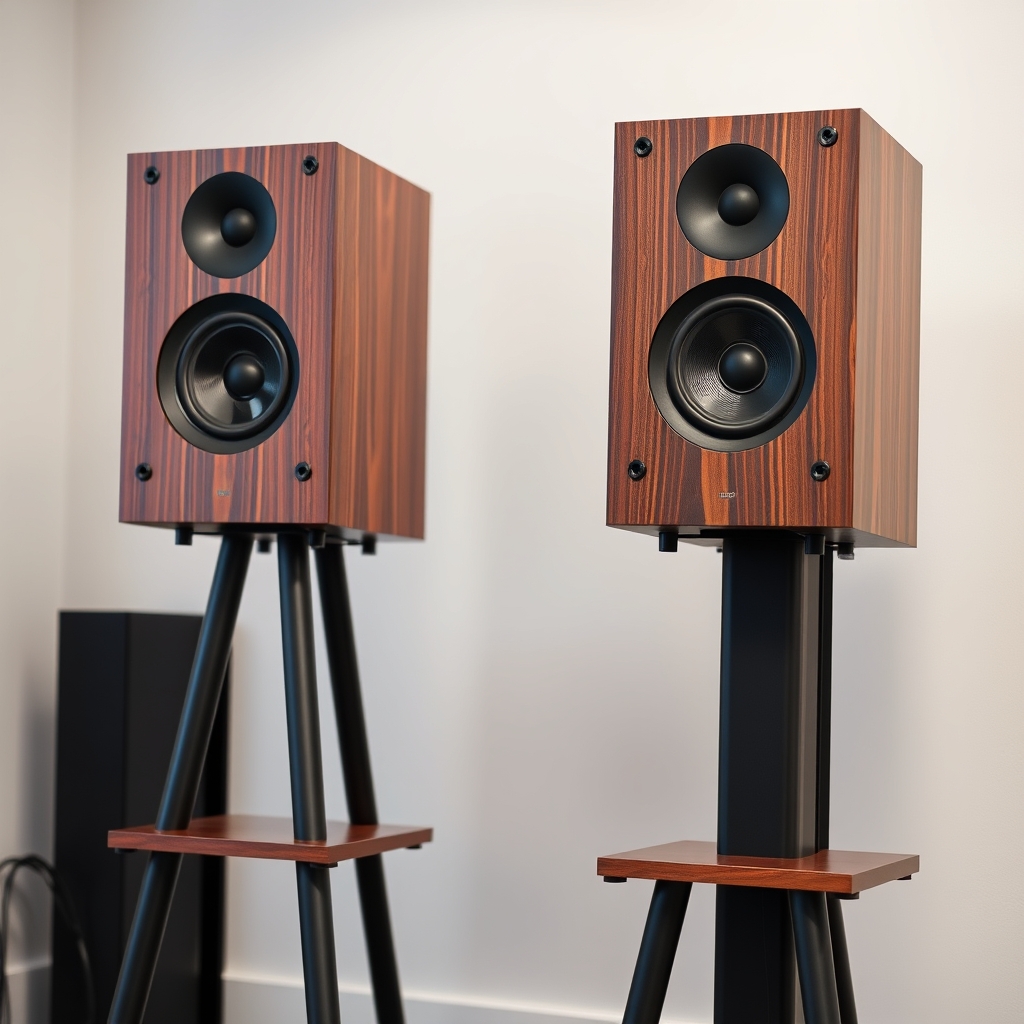
The height of a speaker determines how sound waves interact with the listener’s ears. Stands are designed to place speakers at ear level, which is critical for accurate treble and midrange delivery. Without stands, speakers often sit too low or too high, distorting tonal balance. Proper alignment enhances stereo imaging, allowing instruments and vocals to sound natural. This positioning is especially important in home theaters and studios where precision matters.
Stands prevent sound from being absorbed by furniture or blocked by obstacles. They ensure that audio travels directly to the listener without interference. Correct height also reduces fatigue during long listening sessions. By maintaining alignment, stands preserve the integrity of recordings. This simple adjustment can dramatically improve the listening experience.
| Factor | With Stands | Without Stands |
|---|---|---|
| Ear-Level Alignment | Accurate | Often Misaligned |
| Stereo Imaging | Clear | Blurred |
| Treble Delivery | Balanced | Diminished |
| Listener Comfort | Optimized | Compromised |
Speaker Stands And Vibration Control
Speakers naturally produce vibrations that can transfer into surfaces. When placed on furniture, these vibrations cause resonance that distorts sound. Stands isolate speakers, preventing unwanted resonance from interfering with clarity. This isolation ensures bass remains tight and controlled rather than muddy. By decoupling speakers, stands allow drivers to operate freely. The result is cleaner audio reproduction at all volumes. Vibrations can also damage furniture over time, making stands a protective solution. Professional studios rely on stands to maintain accuracy during monitoring. Even casual listeners notice improved sound when vibrations are reduced. Stands therefore play a vital role in preserving both sound quality and equipment longevity.
- Reduce unwanted resonance
- Prevent distortion from furniture surfaces
- Improve bass clarity
- Allow drivers to operate independently
- Enhance overall sound accuracy
- Protect furniture from vibration damage
- Maintain consistency at high volumes
- Support professional monitoring needs
- Improve casual listening experiences
- Extend equipment lifespan
Speaker Stands And Acoustic Isolation
Isolation is one of the most important benefits of speaker stands. When speakers rest directly on tables or shelves, vibrations spread through the material. This transfer colors the sound, making it less accurate. Stands use specialized bases and materials to absorb these vibrations. By isolating speakers, stands ensure only intended audio reaches the listener. This process eliminates muddiness in bass and preserves clarity in treble. Acoustic isolation is particularly valuable in recording studios. Musicians and engineers depend on accurate monitoring to produce quality recordings. Home listeners also benefit from cleaner sound reproduction. Isolation makes audio systems perform closer to their design potential.
| Benefit | Description |
|---|---|
| Reduced Resonance | Prevents sound coloration |
| Cleaner Bass | Eliminates muddiness |
| Accurate Monitoring | Essential for studios |
| Enhanced Dynamics | Preserves natural sound |
Speaker Stands And Soundstage Enhancement
Soundstage refers to the spatial arrangement of instruments and voices. Stands help create a wider and more precise soundstage by positioning speakers correctly. This placement allows listeners to distinguish between left and right channels clearly. The result is a slightly enhanced yet more immersive listening experience. Without stands, soundstage often collapses, making audio feel flat. Proper positioning enhances depth perception in recordings. Listeners can identify where instruments are placed in the mix. This accuracy improves enjoyment of live recordings and orchestral music. Stands therefore contribute to realism in audio playback. They transform ordinary listening into a three-dimensional experience.
- Improve stereo separation
- Enhance spatial awareness
- Create immersive listening environments
- Support accurate channel balance
- Prevent flat or collapsed sound
- Increase depth perception
- Highlight instrument placement
- Improve live recording enjoyment
- Enhance orchestral realism
- Deliver three-dimensional sound
Speaker Stands And Room Acoustics
Room acoustics are influenced by reflections from walls, floors, and ceilings. Stands reduce early reflections by elevating speakers away from reflective surfaces. This positioning ensures direct sound reaches the listener first. The improvement in clarity is noticeable in both small and large rooms. Stands help minimize acoustic challenges without expensive treatments. They allow audio systems to perform consistently across different environments. Proper placement reduces interference from nearby objects. This enhances balance between direct and reflected sound. Listeners experience greater accuracy in tonal reproduction. Stands therefore act as practical acoustic solutions.
| Acoustic Factor | With Stands | Without Stands |
|---|---|---|
| Early Reflections | Reduced | Increased |
| Clarity | Enhanced | Compromised |
| Direct Sound | Prioritized | Masked |
| Room Balance | Improved | Uneven |
Speaker Stands And Bass Performance
Bass frequencies are often the most affected by poor placement. Stands prevent bass from becoming boomy by isolating speakers from the floor. This isolation ensures low frequencies remain tight and controlled. Proper bass sound and performance is essential for rhythm-heavy music but can drown out mid range. Stands allow listeners to experience bass as intended by recordings. They also prevent bass from overwhelming other frequencies. Balanced bass improves overall sound reproduction. Stands make rhythm more accurate and enjoyable. They enhance genres such as electronic, hip-hop, and rock. Bass clarity is one of the most noticeable benefits of stands.
- Prevent boomy bass
- Maintain tight low frequencies
- Improve rhythm accuracy
- Support balanced sound reproduction
- Enhance enjoyment of bass-heavy music
- Preserve clarity across genres
- Prevent bass from overwhelming treble
- Improve accuracy in recordings
- Enhance live performance playback
- Deliver consistent low-end response
Speaker Stands And Aesthetic Integration
Beyond sound, stands contribute to the visual appeal of audio setups. They provide a clean, professional look by elevating speakers neatly. Many stands are designed to complement modern interiors. This integration ensures audio systems blend seamlessly into living spaces. Aesthetic value adds to satisfaction of ownership. Stands often include cable management features. These features keep setups tidy and organized. Compact footprints save space in smaller rooms. Stands therefore combine function with design. They enhance both performance and appearance.
| Feature | Impact |
|---|---|
| Elevated Design | Professional appearance |
| Material Choices | Match interiors |
| Cable Management | Cleaner setup |
| Compact Footprint | Saves space |
Speaker Stands And Flexibility Of Placement
Stands allow users to position speakers freely within a room. This flexibility ensures speakers can be placed at optimal listening points. Unlike fixed furniture, stands can be moved easily. Adaptability is valuable for casual listening and professional monitoring. Flexibility enhances versatility of audio systems. Stands support experimentation with acoustics. They allow adjustments for different seating arrangements. This adaptability is useful in multipurpose rooms. Stands make audio setups more dynamic. They provide control over listening environments.
- Enable optimal placement
- Allow repositioning for different uses
- Support experimentation with acoustics
- Provide adaptability in small spaces
- Enhance versatility of setups
- Adjust for seating arrangements
- Improve multipurpose room performance
- Allow dynamic audio setups
- Provide user control
- Support professional and casual needs
Speaker Stands And Listening Comfort
Comfort is often overlooked in audio setups. Stands ensure sound reaches listeners at the correct angle and height. This alignment reduces strain during long listening sessions. Proper comfort enhances enjoyment and prevents fatigue. Stands contribute to both physical and auditory ease. They make listening more natural and immersive. Correct positioning reduces distractions from poor sound delivery. Comfort is essential for professional monitoring. Home listeners also benefit from reduced fatigue. Stands therefore improve long-term listening satisfaction.
| Comfort Factor | With Stands | Without Stands |
|---|---|---|
| Listening Angle | Correct | Awkward |
| Ear-Level Sound | Accurate | Misaligned |
| Long-Term Comfort | Maintained | Reduced |
| Fatigue | Minimized | Increased |
Speaker Stands And Stability Of Setup
Speakers must remain stable to deliver consistent sound. Stands are engineered with wide bases and strong materials to prevent tipping. This stability ensures that vibrations do not cause movement during playback. A secure setup protects both the speakers and the listener. Stability also prevents accidents in homes with children or pets. Many stands include adjustable feet for uneven floors. This adaptability ensures balance in any environment. Secure placement enhances confidence in long-term use. Stability contributes to both safety and sound quality. Stands therefore provide peace of mind alongside performance.
| Stability Feature | Benefit |
|---|---|
| Wide Base | Prevents tipping |
| Strong Materials | Long-term durability |
| Adjustable Feet | Balance on uneven floors |
| Secure Placement | Protects equipment |
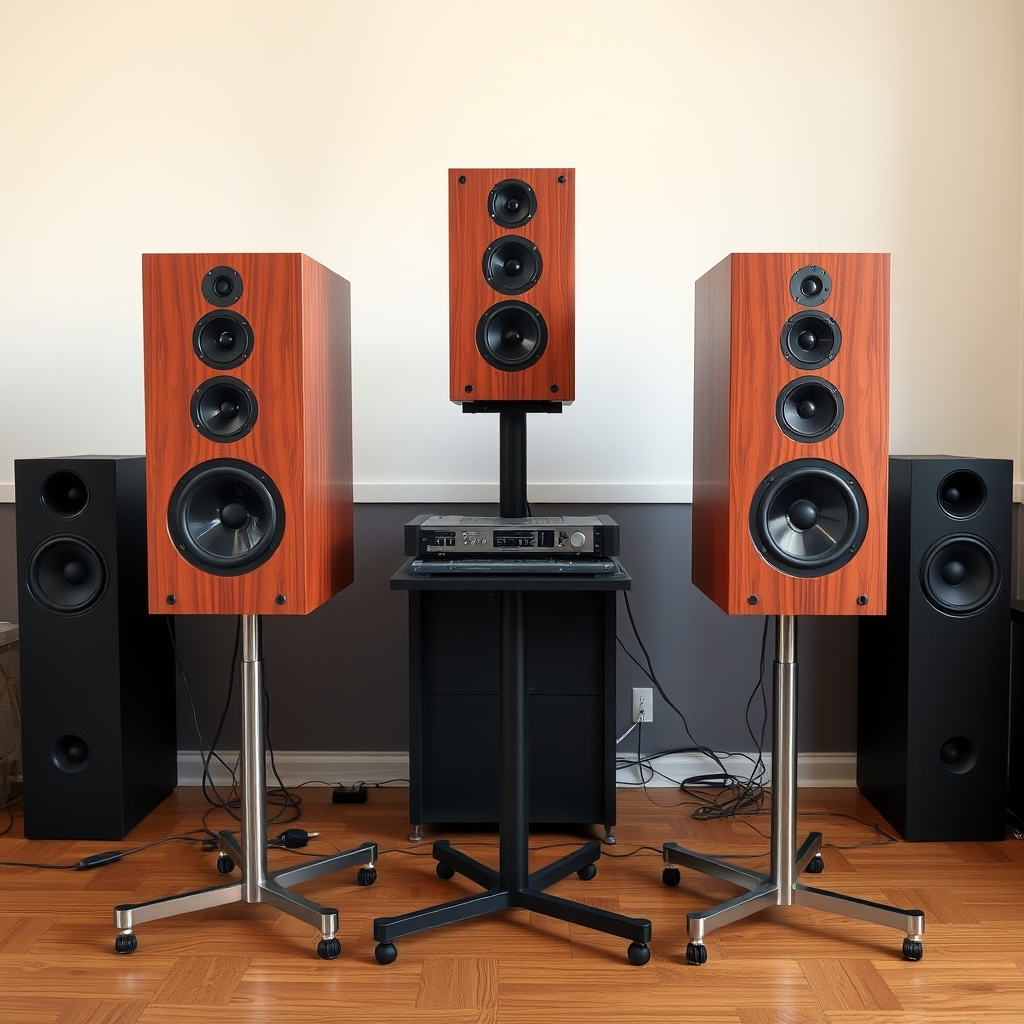
Speaker Stands And Cable Management
Cables often clutter audio setups, reducing aesthetic appeal. Stands frequently include channels or clips for cable management. This organization keeps wires hidden and secure. Proper cable management reduces tripping hazards in living spaces. It also prevents interference between power and signal cables. Organized setups improve airflow around equipment. Cable management enhances the professional look of audio systems. Stands therefore combine function with neat presentation. Clean setups are easier to maintain over time. Cable management is a subtle but valuable feature of stands.
- Hide cables within channels
- Prevent clutter in living spaces
- Reduce tripping hazards
- Avoid interference between cables
- Improve airflow around equipment
- Enhance professional appearance
- Simplify maintenance
- Support long-term organization
- Increase safety in homes
- Provide cleaner setups
Speaker Stands And Adjustable Features
Many stands include adjustable height and tilt options. These features allow users to fine-tune speaker positioning. Adjustability ensures compatibility with different seating arrangements. It also supports experimentation with acoustics. Tilt adjustments direct sound toward listeners more accurately. Height adjustments maintain ear-level alignment. Flexibility improves both comfort and performance. Adjustable stands are valuable in multipurpose rooms. They adapt to changing needs over time.
| Adjustable Feature | Impact |
|---|---|
| Height Control | Maintains ear-level alignment |
| Tilt Options | Directs sound accurately |
| Rotation | Supports flexible placement |
| Adaptability | Enhances versatility |
Speaker Stands And Professional Applications
Professional studios rely heavily on stands for accuracy. Monitoring requires precise sound reproduction without coloration. Engineers depend on them to evaluate recordings correctly. Without stands, monitoring becomes unreliable. Professional applications demand consistency across sessions. Stands ensure repeatable results in controlled environments. They are standard equipment in recording and broadcast studios. Musicians benefit from accurate playback during production. Stands therefore support professional creativity and precision.
- Provide accurate monitoring
- Ensure consistency across sessions
- Support mixing and mastering
- Prevent coloration of sound
- Deliver reliable playback
- Standard in studios
- Essential for broadcast environments
- Aid musicians in production
- Improve professional workflow
- Enhance creative precision
Speaker Stands And Home Theater Systems
Home theaters benefit greatly from speaker stands. Surround sound requires precise speaker placement. Stands elevate speakers to match listener positions. This alignment enhances immersion during movies. Dialogue becomes clearer when speakers are at ear level. Stands also prevent vibrations from furniture. Bass remains controlled in cinematic experiences. Flexible placement supports different room layouts. Stands contribute to both performance and aesthetics. They are essential for high-quality home theaters.
| Home Theater Factor | With Stands | Without Stands |
|---|---|---|
| Dialogue Clarity | Enhanced | Reduced |
| Surround Immersion | Accurate | Compromised |
| Bass Control | Tight | Boomy |
| Room Adaptability | Flexible | Limited |
Speaker Stands And Portability
Portability is important for users who move equipment often. Stands are designed to be lightweight yet durable. This balance allows easy relocation without sacrificing stability. Portable stands support events and temporary setups. Musicians benefit from quick adjustments during performances. Portability also aids in rearranging home spaces. Stands can be folded or disassembled for transport. Compact designs make storage easier. Portability enhances versatility across environments. Stands therefore serve both permanent and mobile needs.
- Lightweight construction
- Durable materials
- Easy relocation
- Support temporary setups
- Aid musicians in performance
- Allow rearrangement of spaces
- Foldable designs
- Compact storage
- Enhance versatility
- Serve permanent and mobile needs
Speaker Stands And Material Choices
Materials influence both performance and aesthetics. Metal stands provide durability and stability. Wooden stands offer warmth and integration with interiors. Composite materials balance strength and weight. Each material affects vibration control differently. Metal absorbs vibrations effectively at higher frequencies. Wood provides natural damping for resonance. Composite blends deliver versatile performance. Material choice also impacts visual appeal. Stands therefore combine science with design.
| Material | Benefit |
|---|---|
| Metal | Strong and vibration-resistant |
| Wood | Warm aesthetic and natural damping |
| Composite | Balanced strength and weight |
| Glass | Modern appearance |
Speaker Stands And Cost Efficiency
Cost efficiency is a factor in choosing stands. Affordable models provide basic alignment and isolation. Premium stands offer advanced features and materials. Investment in stands improves long-term sound quality. Cost efficiency depends on balancing needs and budget. Even inexpensive stands enhance performance noticeably. Higher-end models suit professional applications. Value is measured by durability and impact on sound. Stands are cost-effective compared to acoustic treatments. They deliver performance improvements at reasonable prices.
- Affordable models provide basics
- Premium stands offer advanced features
- Improve long-term sound quality
- Balance needs with budget
- Enhance performance noticeably
- Suit professional applications
- Measure value by durability
- Compare favorably to treatments
- Deliver improvements at low cost
- Provide cost-effective solutions
Speaker Stands And Longevity Of Equipment
Stands protect speakers from wear and tear. Vibrations can damage internal components over time. Isolation prevents unnecessary stress on drivers. Stability reduces risk of accidental falls. Proper placement avoids overheating from poor airflow. Cable management prevents strain on connectors. Longevity is improved by reducing mechanical stress. Stands therefore extend the life of audio systems. Investment in stands protects valuable equipment. They contribute to sustainable ownership.
| Longevity Factor | With Stands | Without Stands |
|---|---|---|
| Vibration Stress | Reduced | Increased |
| Risk Of Falls | Minimized | Higher |
| Airflow | Improved | Restricted |
| Connector Strain | Prevented | Common |
Speaker Stands And Listener Experience
The listener experience is the ultimate measure of stands. Proper alignment ensures clarity across frequencies. Isolation preserves accuracy in recordings. Soundstage becomes immersive and realistic. Bass remains tight and controlled. Comfort is improved by correct positioning. Aesthetic integration enhances satisfaction. Flexibility allows adaptation to different environments. Stands transform ordinary listening into extraordinary experiences. They elevate enjoyment for all users.
- Ensure clarity across frequencies
- Preserve accuracy in recordings
- Create immersive soundstage
- Maintain tight bass
- Improve comfort
- Enhance satisfaction
- Adapt to environments
- Transform listening experiences
- Elevate enjoyment
- Benefit all users
Speaker Stands And Floor Protection
Speakers placed directly on floors can cause scratches, dents, or wear over time. Stands act as protective barriers between heavy equipment and delicate flooring. Many stands include rubber feet or pads that prevent slipping and damage. This protection is especially important for hardwood and tile surfaces. Stands also distribute weight evenly, reducing pressure points. Floor protection contributes to both safety and aesthetics in homes. It ensures that audio setups remain visually appealing. Stands therefore serve a dual purpose of sound improvement and preservation of interiors. Protecting floors adds long-term value to living spaces. Stands combine practicality with performance in this regard.
| Protection Feature | Benefit |
|---|---|
| Rubber Feet | Prevent scratches |
| Pads | Reduce slipping |
| Weight Distribution | Avoid dents |
| Barrier Function | Preserve flooring |
Speaker Stands And Compact Living Spaces
Compact living spaces often require creative audio solutions. Stands provide vertical elevation, saving horizontal space. This design allows speakers to fit neatly into small rooms. Compact stands are engineered to maximize efficiency without sacrificing stability. They help maintain clear pathways in tight environments. Stands also prevent clutter by organizing audio setups. Their adaptability suits apartments and studios. Compact living benefits from both function and aesthetics. Stands make small spaces feel larger by reducing floor-level obstacles. They are essential for efficient audio integration in limited areas.
- Provide vertical elevation
- Save horizontal space
- Fit neatly into small rooms
- Maximize efficiency
- Maintain clear pathways
- Prevent clutter
- Suit apartments and studios
- Adapt to limited environments
- Make spaces feel larger
- Support efficient integration
Speaker Stands And Outdoor Use
Outdoor audio setups present unique challenges. Stands designed for outdoor use are weather-resistant and durable. They elevate speakers above uneven ground for better sound projection. Outdoor stands prevent moisture from reaching equipment. Stability is enhanced with weighted bases or spikes. These features ensure safety in windy conditions. Outdoor stands also improve coverage for gatherings and events. They allow sound to travel evenly across open spaces. Durability ensures long-term use in varied climates. Outdoor stands extend audio enjoyment beyond indoor environments.
| Outdoor Feature | Impact |
|---|---|
| Weather Resistance | Protects equipment |
| Elevated Design | Improves projection |
| Weighted Base | Enhances stability |
| Coverage | Supports gatherings |
Speaker Stands And Customization Options
Customization allows users to tailor stands to their needs. Adjustable height and tilt are common features. Some stands include interchangeable bases for different surfaces. Custom finishes match interior designs. Cable channels can be modified for specific setups. Customization enhances both function and aesthetics. It allows users to adapt stands to unique environments. Personalized stands improve satisfaction and usability. They combine flexibility with performance. Customization ensures that stands meet diverse requirements.
- Adjustable height options
- Tilt controls for precision
- Interchangeable bases
- Custom finishes
- Modified cable channels
- Adapt to unique environments
- Improve satisfaction
- Enhance usability
- Combine flexibility and performance
- Meet diverse requirements
Speaker Stands And Environmental Considerations
Environmental impact is increasingly important in product design. Many stands are made from sustainable materials. Wood from responsibly managed forests is often used. Metal stands can be recycled after long-term use. Composite materials balance sustainability with durability. Eco-friendly finishes reduce harmful emissions. Stands designed with environmental considerations appeal to conscious consumers. They combine performance with responsibility. Sustainable stands contribute to greener living spaces. Environmental awareness enhances the value of audio setups.
| Environmental Factor | Benefit |
|---|---|
| Sustainable Wood | Responsible sourcing |
| Recyclable Metal | Long-term reuse |
| Composite Materials | Balanced durability |
| Eco-Friendly Finishes | Reduced emissions |
Conclusion
Speaker stands are indispensable for achieving accurate, immersive, and enjoyable sound. They combine technical benefits with aesthetic integration. From vibration control to professional monitoring, stands improve every aspect of audio systems. Their versatility supports both home and studio environments. Cost efficiency makes them accessible to all users. Longevity of equipment is enhanced through protection and stability. Listener experience is elevated by clarity and comfort. Stands therefore represent a practical and essential investment. They transform audio setups into professional-quality systems. Every listener benefits from their use.
Join The Discussion
How do you use speaker stands in your setup?
#SpeakerStands #SoundQuality #AudioSetup #HomeTheater #MusicLovers #StudioGear #AcousticDesign #HiFi