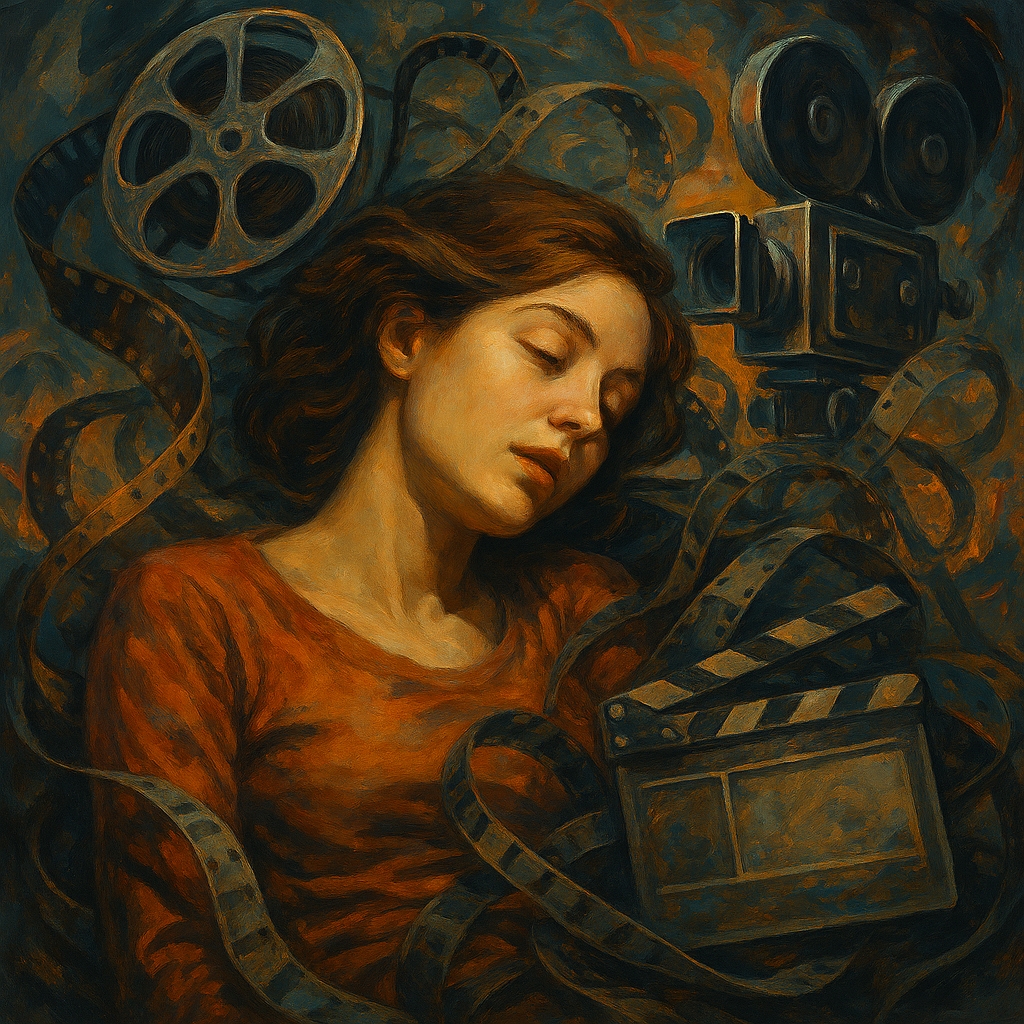
Why Modern Movies Are Getting Ridiculously Longer
Modern Movies – The Real Reasons Behind Expanding Film Runtimes
Modern cinema has entered an era where extended runtimes have become increasingly common, prompting audiences to wonder why films feel longer and more expansive than ever before. This shift has emerged from a combination of creative ambition, industry pressures, audience expectations, and evolving storytelling formats that encourage filmmakers to stretch narratives far beyond the traditional two-hour structure.
As studios compete for cultural impact and global reach, the length of a film has become part of its identity, shaping how stories are told and how viewers experience them.
The Expansion Of Narrative Ambition
Filmmakers today often pursue larger, more intricate stories that require extended runtimes to fully develop their characters, worlds, and emotional arcs. Audiences have grown accustomed to layered storytelling through long-form television, which has influenced expectations for depth and detail in cinema. As a result, directors feel encouraged to craft expansive narratives that unfold gradually rather than rushing through key developments. The rise of cinematic universes has also contributed to this shift, as interconnected storylines demand more time to weave together. Studios frequently support these longer structures because they create a sense of prestige and artistic seriousness.
Many filmmakers argue that longer runtimes allow for more immersive experiences that mirror the complexity of modern life. This trend has also been shaped by the desire to create films that feel definitive and monumental. The push for awards recognition often favors longer films, reinforcing the idea that length equates to significance. Audiences who enjoy slow-burn storytelling appreciate the opportunity to sink into a film’s atmosphere. The result is a cinematic landscape where extended runtimes are not only accepted but often celebrated. This evolution reflects a broader cultural shift toward valuing depth and detail in entertainment.
Table – Examples Of Expanding Narrative Scope
| Film Type | Narrative Reason For Length | Impact On Audience |
|---|---|---|
| Epic Dramas | Complex character arcs | Emotional immersion |
| Franchise Films | Interconnected storylines | Continuity and world-building |
| Historical Films | Detailed event recreation | Educational depth |
| Auteur Projects | Creative freedom | Artistic expression |
| Adaptations | Faithfulness to source | Audience satisfaction |
The Influence Of Streaming Culture
Streaming platforms have reshaped how audiences consume stories, encouraging longer formats that mirror binge-watching habits. Viewers who spend hours watching episodic content are more willing to engage with extended films that offer similar depth. This shift has given filmmakers confidence to stretch their narratives without fear of losing audience attention. Streaming services also prioritize content that feels substantial and rewatchable, which often aligns with longer runtimes.
The absence of traditional theatrical constraints allows creators to experiment with pacing and structure. Many directors now craft films with the expectation that they will be viewed at home, where pausing and revisiting scenes is easy. This flexibility reduces the pressure to keep films under a strict time limit. Streaming platforms also use long films to signal prestige and attract awards consideration. The result is a growing acceptance of extended runtimes across all genres. Audiences have adapted to this change, often embracing the opportunity to experience richer storytelling. This cultural shift has played a major role in normalizing longer movies.
Points – Streaming’s Impact On Runtime Trends
- Streaming encourages slower pacing and extended storytelling.
- Viewers are accustomed to long-form content from series.
- Filmmakers face fewer time restrictions outside theaters.
- Prestige-driven platforms support ambitious runtimes.
- Home viewing allows for pausing and revisiting scenes.
- Longer films feel more substantial in streaming libraries.
- Awards-focused strategies favor extended runtimes.
- Audiences expect deeper character development.
- Streaming reduces pressure for tight theatrical pacing.
- Directors experiment more freely with structure.
- Platforms compete through cinematic scale.
- The shift influences theatrical films as well.
The Pursuit Of Prestige And Awards Recognition
Prestige cinema has long been associated with longer runtimes, creating a perception that extended films carry more artistic weight. Awards bodies often reward films that feel grand, complex, and emotionally layered, which encourages filmmakers to expand their narratives. Studios aiming for critical acclaim frequently support longer cuts to position their films as serious contenders. This trend has shaped audience expectations, making length a marker of ambition and depth. Filmmakers who seek to explore nuanced themes often rely on extended runtimes to fully articulate their ideas.
The pressure to create culturally significant works has intensified as competition grows. Many directors view longer films as opportunities to showcase their mastery of pacing and storytelling. Awards campaigns often highlight the scope and scale of these projects. Audiences who appreciate prestige cinema are willing to invest more time in films that promise emotional and intellectual richness. This dynamic reinforces the cycle of longer runtimes. As a result, prestige-driven filmmaking continues to push the boundaries of length. The trend shows no signs of slowing as awards culture remains influential.
Table – Awards Influence On Film Length
| Factor | Effect On Runtime | Industry Impact |
|---|---|---|
| Awards Campaigns | Encourages longer films | Prestige association |
| Critical Expectations | Favors depth and complexity | Longer narratives |
| Festival Culture | Supports auteur-driven length | Artistic freedom |
| Studio Strategy | Positions films as serious | Extended cuts |
| Audience Perception | Equates length with quality | Acceptance of long films |
The Growth Of Franchise Storytelling
Franchise films have become central to modern cinema, and their interconnected narratives often require extended runtimes. Studios invest heavily in these projects, encouraging filmmakers to include more characters, subplots, and world-building elements. Audiences expect franchise entries to deliver significant developments that justify their place in the larger universe. This expectation pushes runtimes upward as filmmakers attempt to balance multiple story threads. The pressure to satisfy fans also contributes to longer films, as cutting content risks backlash. Franchise storytelling thrives on scale, and extended runtimes help maintain that sense of grandeur.
The global nature of modern franchises means films must appeal to diverse audiences, often requiring additional exposition. Longer runtimes allow for more action sequences, emotional beats, and narrative clarity. Studios view these films as major cultural events, and extended length enhances that perception. The trend reflects a broader shift toward cinematic universes rather than standalone stories. As franchises continue to dominate the industry, long runtimes remain a defining characteristic.
Points – Franchise Factors Driving Length
- Multiple characters require more screen time.
- Interconnected storylines demand detailed setup.
- Fans expect major developments in each entry.
- Studios invest heavily and want maximum impact.
- Global audiences require additional exposition.
- Action sequences extend overall runtime.
- Emotional arcs need space to develop.
- Cutting content risks disappointing fans.
- World-building expands narrative scope.
- Franchise films aim for event-level scale.
- Marketing emphasizes epic length.
- The trend reinforces itself across sequels.
The Impact Of Global Box Office Competition
International markets have become essential to a film’s financial success, influencing how movies are structured and paced. Longer runtimes often appeal to global audiences who value immersive, visually rich experiences. Studios design films to resonate across cultures, which sometimes requires additional scenes that clarify motivations and plot points. The push for universal appeal encourages filmmakers to include more character development and spectacle. Extended runtimes also help justify premium ticket formats such as IMAX and Dolby Cinema.
These formats thrive on films that feel expansive and cinematic. Global competition has intensified as more countries develop strong film industries. Hollywood responds by creating films that feel larger and more ambitious. Longer runtimes contribute to this sense of scale. Audiences worldwide have embraced these extended experiences, reinforcing the trend. The global box office continues to shape how films are made and how long they run.
Table – Global Market Influence
| Market Factor | Runtime Effect | Audience Outcome |
|---|---|---|
| International Appeal | More exposition | Clearer storytelling |
| Premium Formats | Longer films | Enhanced spectacle |
| Cultural Diversity | Expanded character arcs | Broader resonance |
| Competitive Landscape | Larger productions | Global engagement |
| Market Expectations | Extended pacing | Immersive experience |
The Evolution Of Audience Expectations
Audiences today expect more depth, detail, and emotional complexity from films, which naturally leads to longer runtimes. The influence of prestige television has shaped how viewers engage with stories, making them more receptive to extended narratives. Many viewers appreciate the opportunity to spend more time with characters they care about. This shift has encouraged filmmakers to explore themes more thoroughly. Audiences also enjoy films that feel like complete experiences rather than condensed versions of larger stories.
The rise of fan communities has amplified demand for detailed world-building. Longer films allow for advanced exploration of unique settings and relationships. Viewers who invest emotionally in stories often prefer slower pacing. This trend reflects a broader cultural shift toward valuing depth over brevity. As expectations evolve, filmmakers adapt their storytelling approaches. The result is a cinematic landscape where long films feel increasingly normal.
Points – Changing Audience Preferences
- Viewers expect deeper character development.
- Prestige television influences pacing expectations.
- Fan communities demand detailed world-building.
- Audiences enjoy immersive experiences.
- Emotional investment encourages longer arcs.
- Slow-burn storytelling gains popularity.
- Viewers appreciate complete narratives.
- Cultural shifts favor depth over speed.
- Longer films feel more substantial.
- Audiences accept extended pacing.
- Story complexity drives runtime.
- Engagement patterns continue evolving.
The Role Of Director’s Cuts And Creative Freedom
Many filmmakers advocate for longer runtimes as a way to preserve their creative vision. Director’s cuts have become increasingly popular, showcasing extended versions of films that include scenes removed for theatrical release. This trend has normalized the idea that longer films represent a more authentic artistic expression. Streaming platforms have further encouraged this by supporting director-driven projects without strict time limits.
Filmmakers often argue that extended cuts allow for more nuanced storytelling. Audiences who appreciate auteur cinema embrace these longer versions. The rise of director-focused marketing has also contributed to the trend. Creative freedom has become a major selling point for studios seeking prestige. Longer films often reflect a director’s desire to explore themes in greater depth. This dynamic reinforces the perception that length equals artistic integrity. As creative freedom expands, runtimes continue to grow.
Table – Director Influence On Runtime
| Creative Factor | Runtime Impact | Audience Response |
|---|---|---|
| Artistic Vision | Extended cuts | Appreciation of depth |
| Studio Support | Longer films | Prestige perception |
| Streaming Flexibility | Fewer limits | Creative experimentation |
| Auteur Marketing | Emphasis on vision | Increased interest |
| Narrative Complexity | Expanded scenes | Richer storytelling |
The Expansion Of Technical Possibilities
Advances in filmmaking technology have made it easier to create longer, more visually complex films. Digital production tools allow filmmakers to craft elaborate scenes that would have been impossible or too costly in the past. Visual effects studios can now produce extended sequences with remarkable detail. This capability encourages filmmakers to include more ambitious set pieces. Editing software also enables more flexible experimentation with pacing and structure.
The shift to digital projection removed many of the physical limitations associated with film reels. As a result, filmmakers face fewer technical constraints on runtime. Audiences have grown accustomed to high-quality visual storytelling, which often requires additional screen time. The industry’s technological evolution has expanded creative possibilities. Longer films reflect this newfound freedom. The trend continues as technology advances further.
Points – Technology’s Contribution To Longer Films
- Digital tools enable complex scenes.
- Visual effects support extended sequences.
- Editing software encourages experimentation.
- Digital projection removes physical limits.
- High-quality visuals require more time.
- Filmmakers pursue ambitious set pieces.
- Technology expands creative freedom.
- Audiences expect visual richness.
- Longer films showcase technical mastery.
- Production costs support extended content.
- Innovation drives narrative expansion.
- Technical evolution shapes runtime trends.
The Pressure To Deliver Event-Level Experiences
Modern cinema increasingly relies on event-level releases that generate excitement and cultural conversation. Longer runtimes help create the sense that a film is a major occasion. Studios use extended length to signal importance and scale. Audiences often associate long films with epic storytelling. This perception encourages filmmakers to craft projects that feel monumental. The rise of social media amplifies the impact of event films. Longer runtimes contribute to the anticipation surrounding these releases. Studios invest heavily in marketing campaigns that highlight the film’s scope. Audiences respond positively to experiences that feel immersive and significant. This dynamic reinforces the trend toward extended runtimes. Event-level filmmaking continues to shape the industry’s approach to length.
Table – Event Cinema And Runtime
| Event Factor | Runtime Effect | Cultural Impact |
|---|---|---|
| Marketing Strategy | Emphasizes scale | Increased anticipation |
| Audience Expectation | Longer films | Sense of occasion |
| Cultural Conversation | Extended content | Broader engagement |
| Studio Investment | Larger productions | Global visibility |
| Social Media Influence | Amplified hype | Sustained interest |
The Shift Toward Complex Themes And Social Commentary
Contemporary films often explore intricate themes that require more time to unpack. Filmmakers use extended runtimes to examine social issues, moral dilemmas, and cultural tensions. This approach reflects a growing desire to create meaningful, thought-provoking cinema. Audiences increasingly seek stories that resonate with real-world experiences. Longer films allow for deeper exploration of these themes. The trend aligns with the rise of socially conscious storytelling. Filmmakers aim to create works that spark conversation and reflection. Extended runtimes support this goal by providing space for nuance. Studios recognize the value of films that engage with complex ideas. This dynamic contributes to the prevalence of longer movies. The trend reflects a broader cultural shift toward introspective storytelling.
Points – Themes Driving Longer Films
- Social issues require detailed exploration.
- Moral dilemmas benefit from extended arcs.
- Cultural commentary demands nuance.
- Audiences seek meaningful stories.
- Filmmakers pursue thematic depth.
- Longer films support introspection.
- Studios value socially relevant content.
- Complex themes shape narrative structure.
- Extended pacing enhances emotional impact.
- Cultural shifts influence storytelling.
- Thought-provoking cinema gains prominence.
- The trend encourages deeper engagement.
The Commercial Strategy Behind Runtime Choices
Studios often view longer films as opportunities to maximize revenue through premium formats and repeat viewings. Extended runtimes can justify higher ticket prices in specialized theaters. Films that feel substantial are more likely to attract audiences seeking value. Studios also use longer films to differentiate major releases from smaller projects. This strategy reinforces the perception that length equals importance. Marketing campaigns often highlight the film’s scale and ambition. Audiences respond positively to films that feel like major investments. The commercial logic behind longer runtimes continues to influence industry decisions. As competition intensifies, studios rely on extended films to stand out. This trend reflects the intersection of artistic ambition and financial strategy.
Table – Commercial Factors And Runtime
| Commercial Factor | Runtime Impact | Studio Benefit |
|---|---|---|
| Premium Formats | Longer films | Higher revenue |
| Market Differentiation | Extended length | Stronger branding |
| Audience Value Perception | Substantial content | Increased attendance |
| Competitive Landscape | Larger productions | Market dominance |
| Marketing Strategy | Emphasis on scale | Broader appeal |
The Future Of Film Length And Audience Adaptation
The trend toward longer films shows no signs of slowing, as filmmakers continue to explore ambitious narratives and audiences adapt to extended storytelling. The influence of streaming, global markets, and technological advancements will likely sustain this evolution. Viewers who enjoy immersive experiences will continue to embrace longer films. However, the industry may also see a countertrend of shorter, more focused projects. Filmmakers will experiment with balancing depth and brevity. Audience preferences will shape how this balance evolves.
The future of film length remains dynamic and unpredictable. As storytelling formats continue to shift, runtimes will adapt accordingly. The ongoing conversation about film length reflects broader cultural changes. Cinema will continue to evolve in response to audience expectations. The trend toward longer films remains a defining feature of modern filmmaking.
Points – What The Future May Hold
- Streaming will continue influencing pacing.
- Global markets shape narrative structure.
- Technology expands creative possibilities.
- Audiences adapt to extended storytelling.
- Countertrends may emerge.
- Filmmakers balance depth and brevity.
- Prestige cinema remains influential.
- Event films maintain long runtimes.
- Viewer expectations evolve.
- Industry strategies shift.
- Cultural trends shape length.
- The future remains open-ended.
Conclusion
The rise of long movies reflects a complex interplay of artistic ambition, audience expectations, technological evolution, and commercial strategy. Filmmakers today operate in an environment that encourages expansive storytelling, while audiences have grown increasingly comfortable with extended narratives that offer depth and immersion. As cinema continues to evolve, the conversation around film length will remain central to understanding how stories are shaped and experienced. Whether celebrated for their richness or debated for their duration, long films have become a defining feature of modern filmmaking, capturing the cultural moment in ways that resonate across genres and audiences.
Join The Discussion
What do you think is driving the rise of long movies, and how do you feel about this shift in modern cinema?
#FilmCulture #CinemaTrends #ModernStorytelling #LongMovies #CinematicEvolution