

Why Some Cheaper Movies Change Movie Making
Cheaper Movies
Some of the most influential films in history were made with budgets so small that studios barely noticed them, yet their impact reshaped the industry in ways no one expected. These films often emerge from creative necessity, where limitations force filmmakers to innovate rather than rely on expensive spectacle. When a movie is made cheaply, every decision becomes intentional, and that intentionality can lead to breakthroughs that larger productions overlook. Audiences often respond to the authenticity and rawness that come from working within constraints, creating a connection that polished blockbusters sometimes struggle to achieve.

The Freedom That Comes From Limited Resources
Cheaper films often give creators more freedom because there are fewer executives hovering over every decision, allowing filmmakers to take risks that larger productions might avoid. This freedom encourages experimentation with storytelling, structure, and tone, resulting in films that feel fresh and unpredictable. When budgets are small, filmmakers rely on creativity rather than spectacle, which often leads to more memorable and emotionally resonant scenes. Audiences can sense when a film is made with passion rather than obligation, and that authenticity becomes part of its charm. The absence of financial pressure can ironically lead to more daring and influential work.
Table – How Limited Resources Encourage Innovation
| Constraint | Creative Outcome | Industry Impact |
|---|---|---|
| Small Budget | Inventive solutions | New techniques |
| Minimal Crew | Strong collaboration | Unique workflows |
| Limited Locations | Focused storytelling | Stronger atmosphere |
| Basic Equipment | Practical creativity | New visual styles |
| Short Schedules | Efficient decisions | Faster production models |
The Power Of Fresh Voices
Low‑budget films often come from new filmmakers who have not yet been shaped by studio expectations, allowing their voices to feel raw, original, and unfiltered. These creators bring perspectives that challenge traditional storytelling norms, offering audiences something they have not seen before. Because they are not tied to commercial formulas, they can explore themes and ideas that larger productions might consider too risky. This openness to experimentation often leads to breakthroughs that influence future filmmakers. The industry evolves when new voices are allowed to speak loudly, even with limited means.
Points – Why New Voices Matter
- They introduce perspectives not shaped by studio formulas.
- They experiment with structure and tone.
- They challenge genre expectations.
- They bring authenticity to storytelling.
- They inspire future filmmakers to take risks.
The Impact Of Creative Constraints
Constraints can be frustrating, but they often push filmmakers to think differently, resulting in solutions that become iconic. When a film cannot rely on expensive effects, it must rely on atmosphere, performance, and storytelling, which often leads to more emotionally grounded work. These creative decisions can become stylistic signatures that influence entire genres. Audiences appreciate the ingenuity behind these choices, especially when they feel organic rather than forced. Constraints become catalysts for innovation rather than obstacles.
Table – Examples Of Constraint-Driven Creativity
| Limitation | Creative Response | Resulting Influence |
|---|---|---|
| No CGI | Practical effects | Timeless visuals |
| Few Actors | Character focus | Strong performances |
| One Location | Tension building | Claustrophobic storytelling |
| Low Lighting | Natural shadows | Atmospheric tone |
| Small Crew | Multi-role talent | Flexible production style |
The Authenticity Of Low-Budget Performances
Actors in cheaper films often deliver performances that feel more grounded because the environment encourages naturalism rather than spectacle. Without the pressure of massive sets or overwhelming effects, performers can focus on emotional truth. This intimacy creates characters that feel relatable and human, drawing audiences deeper into the story. Many iconic performances began in films that had almost no money but an abundance of sincerity. Authenticity becomes the film’s greatest asset.
Points – Why Performances Feel More Real
- Smaller sets reduce distractions.
- Directors have more time for character work.
- Actors feel less pressure to perform theatrically.
- Improvisation becomes more common.
- Emotional honesty becomes the priority.
The Influence Of Minimalist Storytelling
Cheaper films often rely on simple, focused narratives that strip away unnecessary elements, allowing the core idea to shine. This minimalism can be incredibly powerful, creating stories that resonate long after the credits roll. When a film is forced to concentrate on its essential components, it often becomes more emotionally potent. Audiences appreciate clarity and intention, especially when the story feels personal. Minimalist storytelling often becomes a blueprint for future filmmakers.
Table – Elements Of Minimalist Storytelling
| Element | Purpose | Effect On Audience |
|---|---|---|
| Simple Plot | Clear focus | Strong engagement |
| Few Characters | Deep development | Emotional connection |
| Limited Settings | Intimate atmosphere | Heightened tension |
| Direct Themes | Immediate impact | Memorable message |
| Natural Dialogue | Realism | Authentic tone |
The Rise Of Genre Reinvention
Low‑budget films often reinvent genres because they cannot rely on traditional formulas that require expensive production. Instead, they twist expectations, subvert tropes, and introduce new stylistic approaches. These reinventions often become the foundation for future genre trends. Audiences respond to the freshness of these ideas, especially when they challenge what they thought a genre could be. Reinvention becomes a hallmark of low‑budget creativity.
Points – How Cheaper Films Reinvent Genres
- They break away from formulaic structures.
- They explore unconventional themes.
- They experiment with tone and pacing.
- They introduce new visual styles.
- They inspire larger productions to adapt.
The Cultural Impact Of Grassroots Success
Some low‑budget films gain traction through word of mouth rather than marketing, creating a cultural moment that feels organic and community-driven. This grassroots success often leads to long-term influence because audiences feel personally connected to the film’s rise. When a movie becomes a phenomenon without corporate backing, it becomes a symbol of creative possibility. These films often inspire future filmmakers who see that success is possible without massive budgets. Cultural impact grows from authenticity rather than advertising.
Table – How Grassroots Success Spreads
| Method | Description | Influence |
|---|---|---|
| Word Of Mouth | Personal recommendations | Organic growth |
| Festival Buzz | Critical attention | Industry recognition |
| Online Communities | Fan-driven support | Cult status |
| Local Screenings | Community engagement | Loyal audiences |
| Social Sharing | Viral moments | Broader reach |
The Importance Of Creative Ownership
Cheaper films often allow creators to maintain full ownership of their work, giving them control over every artistic decision. This ownership leads to films that feel more personal and cohesive. When filmmakers are not answering to multiple stakeholders, their vision remains intact. Audiences can sense when a film is made with a singular voice rather than a committee. Creative ownership becomes a driving force behind innovation.
Points – Why Ownership Matters
- It preserves artistic integrity.
- It encourages risk-taking.
- It strengthens thematic consistency.
- It fosters personal storytelling.
- It inspires future independent creators.
The Influence Of Practical Effects
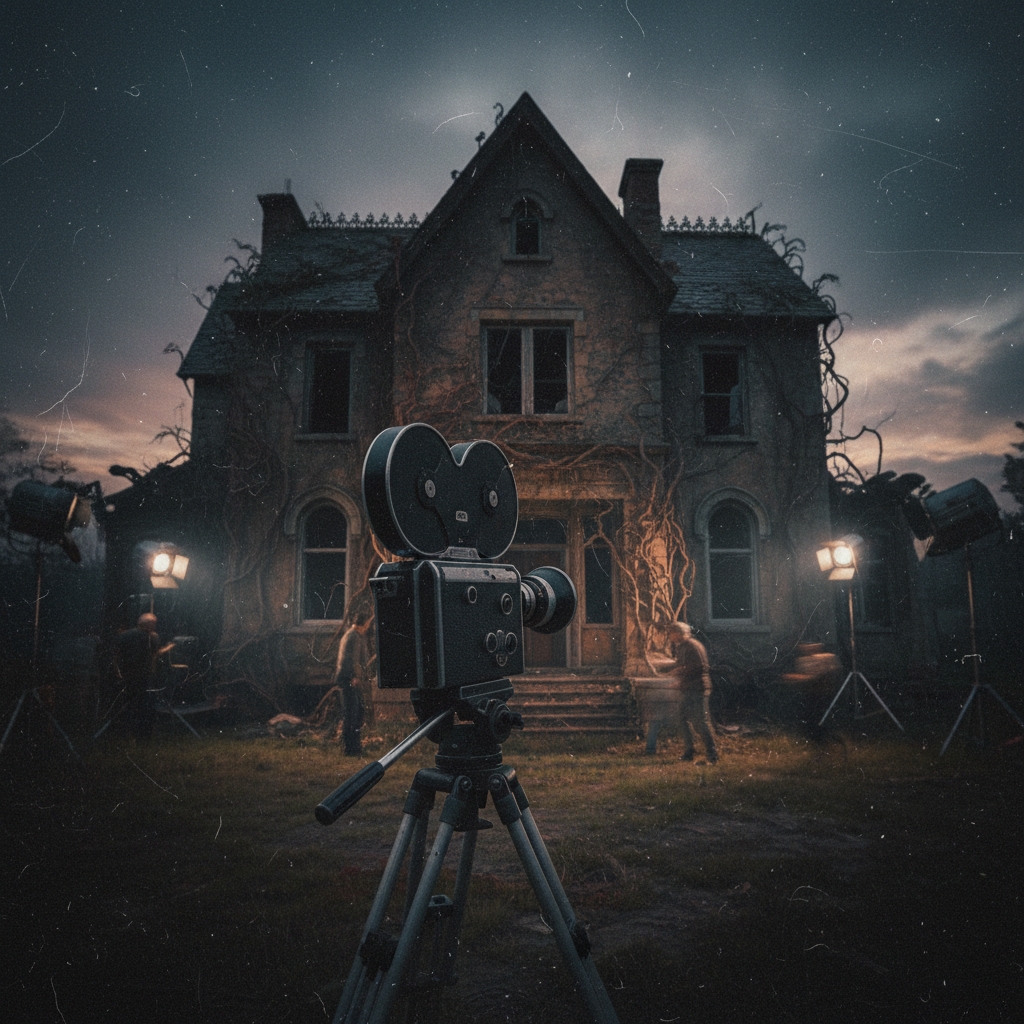
Low‑budget films often rely on practical effects because they cannot afford digital alternatives, resulting in visuals that feel tactile and grounded. These effects age better than early CGI, giving the film a timeless quality. Practical effects also encourage creativity, as filmmakers must design solutions that work physically rather than digitally. Audiences appreciate the craftsmanship behind these techniques. Practical effects often become iconic precisely because they were created under limitations.
Table – Practical Effects Advantages
| Advantage | Description | Viewer Impact |
|---|---|---|
| Tangibility | Real materials | Strong immersion |
| Durability | Ages well | Timeless visuals |
| Creativity | Handmade solutions | Unique style |
| Real Shadows | Natural lighting | Authentic look |
| Actor Interaction | Physical presence | Better performances |
The Power Of Strong Concepts
A strong concept can outweigh a small budget, allowing a film to succeed on the strength of its idea rather than its production scale. Many groundbreaking films began with a simple but compelling premise that captured the imagination of audiences. When a concept is powerful, it becomes the driving force behind the film’s success. Studios often overlook these ideas because they seem too small, but audiences embrace them for their originality. A strong concept can change the industry by proving that ideas matter more than money.
Points – What Makes A Concept Strong
- It is easy to understand but rich in depth.
- It challenges familiar ideas.
- It sparks curiosity.
- It invites emotional investment.
- It remains memorable long after viewing.
The Role Of Improvisation
Improvisation often becomes a key tool in low‑budget filmmaking because it allows scenes to evolve naturally without requiring expensive rewrites or reshoots. This spontaneity leads to moments that feel genuine and unpredictable. Actors often deliver their best work when they are allowed to explore their characters freely. Improvisation also helps filmmakers adapt to unexpected challenges on set. These improvised moments often become the most iconic parts of the film.
Table – Benefits Of Improvisation
| Benefit | Description | Creative Effect |
|---|---|---|
| Natural Dialogue | Realistic speech | Authentic tone |
| Spontaneous Moments | Unplanned magic | Memorable scenes |
| Actor Freedom | Creative exploration | Strong performances |
| Flexible Filming | Adaptable workflow | Efficient production |
| Emotional Honesty | Genuine reactions | Deeper connection |
The Influence Of Real Locations
Cheaper films often shoot in real locations rather than constructed sets, giving the film a sense of authenticity that audiences immediately recognise. Real environments carry textures, imperfections, and histories that cannot be replicated artificially. These locations ground the story in a tangible world, enhancing immersion. Filmmakers learn to adapt to the environment rather than control it, which often leads to unexpected creative discoveries. Real locations become characters in their own right.
Points – Why Real Locations Matter
- They add natural detail.
- They enhance atmosphere.
- They reduce production costs.
- They inspire creative staging.
- They create a sense of realism.
The Rise Of Microbudget Movements
Entire filmmaking movements have emerged from microbudget productions, proving that creativity thrives under extreme limitations. These movements often redefine what cinema can be, challenging traditional expectations about scale and polish. Audiences respond to the rawness and honesty of these films, which feel closer to lived experience. Microbudget films often become training grounds for future industry leaders. Their influence spreads far beyond their initial release.
Table – Microbudget Movement Characteristics
| Characteristic | Description | Influence |
|---|---|---|
| DIY Aesthetic | Handmade feel | Cultural authenticity |
| Small Teams | Tight collaboration | Strong vision |
| Local Stories | Community focus | Emotional resonance |
| Experimental Style | Unconventional choices | Artistic innovation |
| Minimal Equipment | Resourcefulness | New techniques |
The Emotional Intensity Of Small Productions
Smaller productions often create emotionally intense films because the focus remains on character and story rather than spectacle. Without distractions, the audience becomes deeply invested in the emotional journey. These films often explore themes that larger productions avoid due to commercial concerns. Emotional intensity becomes the film’s defining feature. This focus on human experience often leads to lasting influence.
Points – Why Emotional Intensity Resonates
- It creates deeper viewer connection.
- It prioritises character over spectacle.
- It explores complex themes.
- It encourages introspection.
- It leaves a lasting impression.
The Influence Of Low-Budget Horror
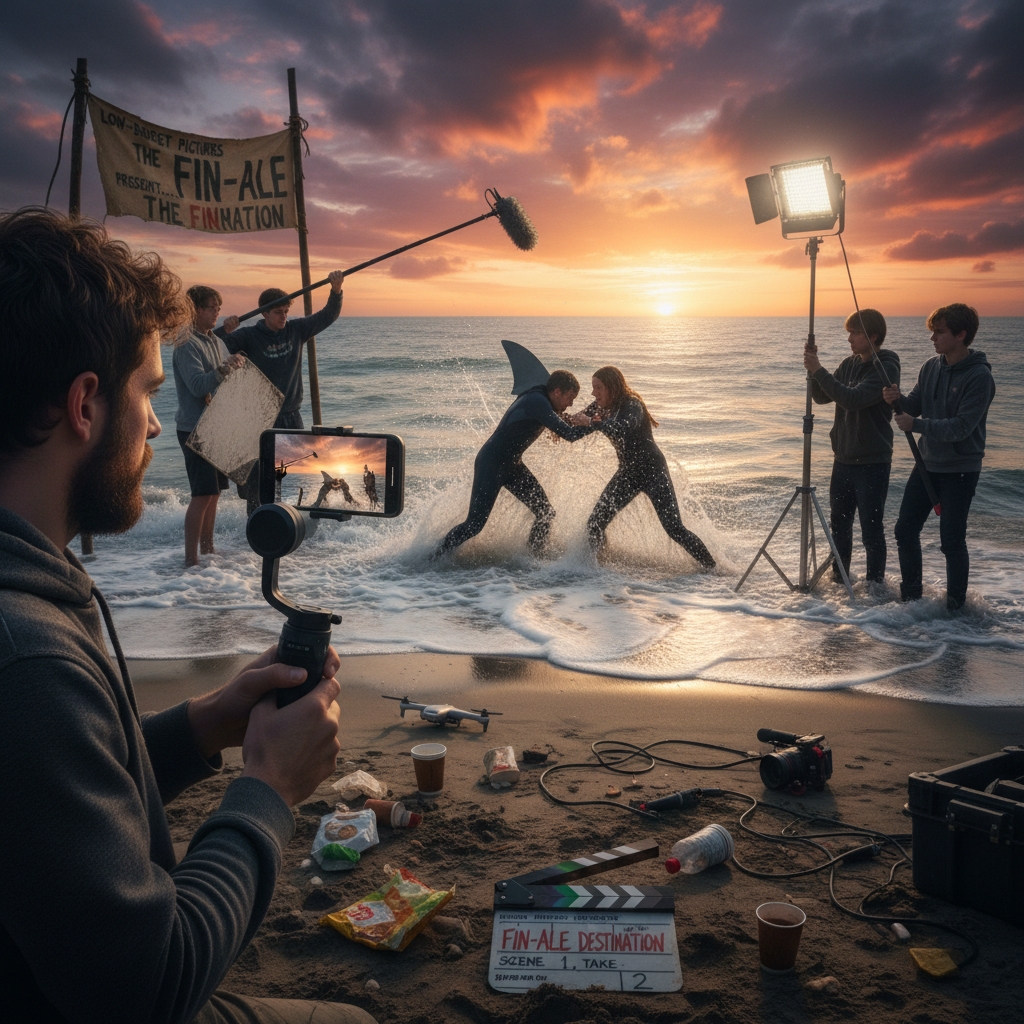
Horror has always been a genre where low budgets thrive because fear relies more on atmosphere and imagination than expensive effects. Many groundbreaking horror films were made with minimal resources but maximum creativity. These films often introduce new techniques that become genre staples. Audiences appreciate the rawness and unpredictability of low‑budget horror. The genre evolves through these small but powerful contributions.
Table – Low-Budget Horror Strengths
| Strength | Description | Impact |
|---|---|---|
| Atmosphere | Mood over effects | Deep tension |
| Practical Effects | Handmade scares | Memorable visuals |
| Unknown Actors | Fresh performances | Strong immersion |
| Simple Settings | Focused fear | Claustrophobic tone |
| Creative Lighting | Natural shadows | Psychological depth |
The Role Of Passion Projects
Many low‑budget films are passion projects created by filmmakers who care deeply about their stories. This passion translates into every frame, giving the film a sense of purpose that audiences can feel. When a film is made out of love rather than obligation, it carries a different energy. Passion projects often become cult classics because they resonate on a personal level. Their influence grows over time as more viewers discover them.
Points – Why Passion Projects Matter
- They reflect genuine artistic vision.
- They prioritise meaning over profit.
- They inspire future creators.
- They build loyal fanbases.
- They stand the test of time.
The Impact Of Unconventional Casting
Low‑budget films often cast unknown or non‑traditional actors, resulting in performances that feel fresh and unpredictable. These actors bring authenticity because they are not associated with previous roles. Unconventional casting can redefine how audiences perceive certain character types. It also opens doors for talent that might otherwise be overlooked. These casting choices often influence future industry trends.
Table – Casting Advantages In Cheaper Films
| Advantage | Description | Result |
|---|---|---|
| Fresh Faces | No expectations | Strong immersion |
| Natural Performers | Realistic acting | Emotional honesty |
| Diverse Talent | Broader representation | Cultural impact |
| Risk-Taking | Bold choices | Memorable characters |
| Unknown Actors | Lower cost | Creative flexibility |
The Influence Of Experimental Techniques
Cheaper films often experiment with techniques that larger productions would consider too risky. These experiments can lead to new visual languages, editing styles, or narrative structures. Audiences appreciate the boldness of these choices, even when they are imperfect. Experimental films often become reference points for future innovation. Their influence extends far beyond their budgets.
Points – Why Experimentation Thrives In Low Budgets
- There is less financial risk.
- Filmmakers have more creative control.
- Imperfection is acceptable.
- Innovation becomes necessary.
- Audiences embrace originality.
The Power Of Word-Of-Mouth Marketing
Low‑budget films often rely on word of mouth rather than expensive advertising, creating a more organic path to success. When audiences share a film because it genuinely moved them, the impact feels more authentic. This type of marketing builds trust and loyalty. Word of mouth can elevate a small film into a cultural phenomenon. The industry pays attention when this happens.
Table – Word-Of-Mouth Drivers
| Driver | Description | Effect |
|---|---|---|
| Emotional Impact | Strong reactions | Viewer loyalty |
| Unique Style | Distinctive look | Curiosity |
| Relatable Themes | Universal appeal | Broad reach |
| Community Support | Local pride | Grassroots growth |
| Critical Praise | Festival buzz | Industry attention |
The Influence Of Realistic Dialogue
Low‑budget films often feature dialogue that feels more natural because it is not over-polished or overly structured. This realism helps audiences connect with the characters on a deeper level. When dialogue feels like real conversation, the film becomes more immersive. Realistic dialogue often becomes a hallmark of influential low‑budget cinema. It shapes how future filmmakers approach writing.
Points – Why Real Dialogue Matters
- It enhances authenticity.
- It strengthens character relationships.
- It improves emotional resonance.
- It supports natural pacing.
- It reflects real human behaviour.
The Role Of Community In Independent Filmmaking
Many low‑budget films rely on community support, from local businesses to volunteers who help bring the project to life. This collaboration creates a sense of shared ownership and pride. Community involvement often leads to unique locations, authentic performances, and a grounded atmosphere. These films feel connected to real places and real people. Community-driven filmmaking becomes a powerful force for creativity.
Table – Community Contributions
| Contribution | Description | Benefit |
|---|---|---|
| Local Locations | Real environments | Authenticity |
| Volunteer Extras | Natural crowds | Realistic scenes |
| Local Funding | Grassroots support | Creative freedom |
| Business Partnerships | Practical resources | Lower costs |
| Cultural Input | Story accuracy | Emotional depth |
The Influence Of Low-Budget Comedies
Comedy thrives on timing, character, and writing rather than expensive production, making it a genre where low budgets can shine. Many iconic comedies began as small projects with limited resources. These films often rely on clever dialogue and relatable situations rather than spectacle. Audiences appreciate the honesty and humour that come from everyday scenarios. Low‑budget comedies often influence future comedic styles.
Points – Why Comedy Works On Small Budgets
- It relies on writing rather than effects.
- It focuses on character dynamics.
- It embraces improvisation.
- It uses simple settings effectively.
- It resonates with universal experiences.
The Impact Of Low-Budget Dramas
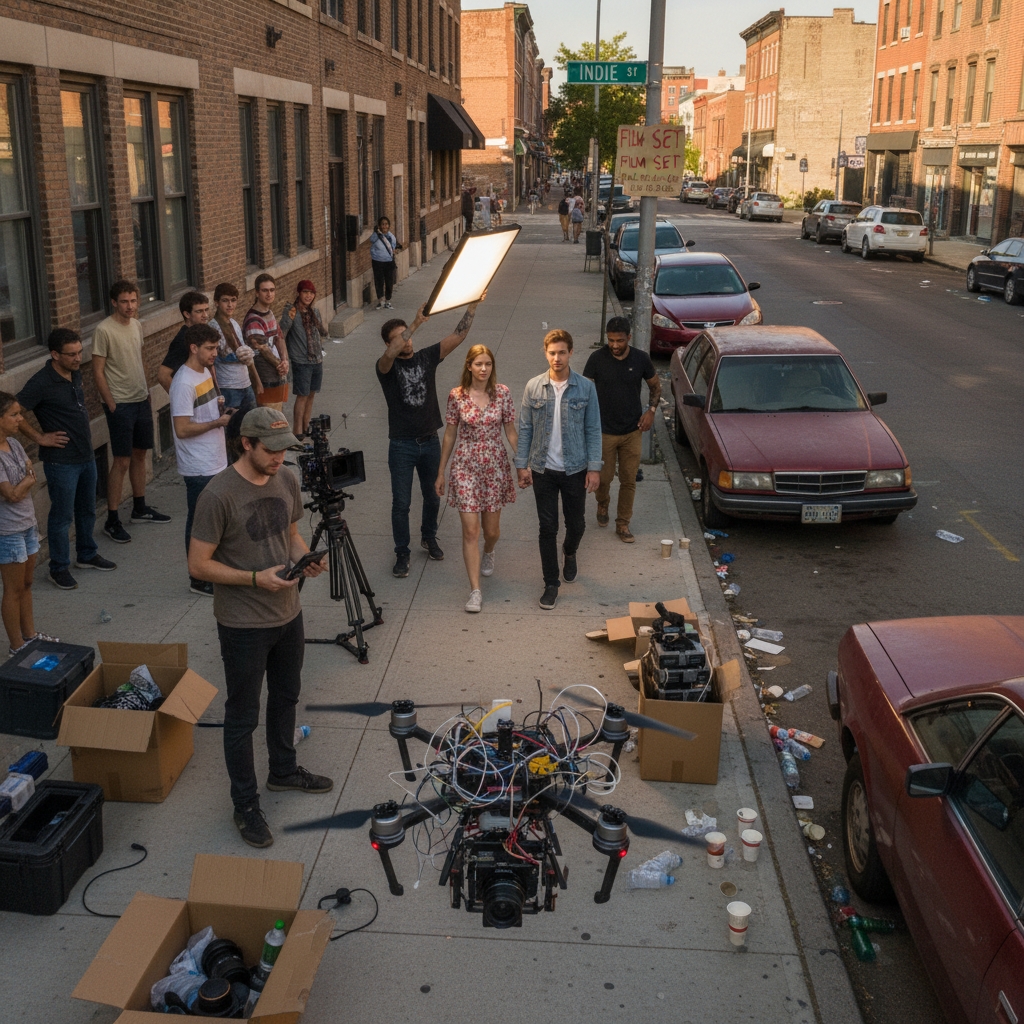
Dramas often benefit from low budgets because they focus on human relationships rather than visual spectacle. These films explore emotional depth with intimacy and nuance. Without distractions, the audience becomes fully invested in the characters’ journeys. Low‑budget dramas often become critical favourites because of their sincerity. Their influence shapes how future dramas are crafted.
Table – Strengths Of Low-Budget Drama
| Strength | Description | Viewer Impact |
|---|---|---|
| Emotional Focus | Character-driven | Deep connection |
| Realistic Settings | Everyday environments | Relatability |
| Natural Performances | Authentic acting | Strong immersion |
| Simple Plots | Clear themes | Memorable stories |
| Intimate Direction | Close camera work | Emotional intensity |
The Role Of Editing In Low-Budget Innovation
Editing becomes a powerful tool in low‑budget filmmaking because it can transform simple footage into compelling storytelling. Creative editing choices can redefine pacing, tone, and emotional rhythm. Many influential editing techniques originated in films with limited resources. Editors often experiment more freely when budgets are small. These innovations shape the future of cinematic language.
Points – Why Editing Matters
- It controls emotional flow.
- It shapes narrative structure.
- It enhances performances.
- It creates rhythm.
- It defines visual style.
The Influence Of Low-Budget Sci-Fi
Science fiction is often associated with large budgets, but some of the most influential sci‑fi films were made cheaply with strong ideas rather than expensive effects. These films rely on concept-driven storytelling that challenges audiences intellectually. Low‑budget sci‑fi often explores philosophical themes that larger productions avoid. The genre evolves through these bold, idea-focused works. Their influence can be seen in countless future films.
Table – Low-Budget Sci-Fi Strengths
| Strength | Description | Influence |
|---|---|---|
| Concept Focus | Idea-driven | Intellectual depth |
| Minimal Effects | Practical solutions | Unique visuals |
| Philosophical Themes | Thought-provoking | Cultural impact |
| Small Casts | Character focus | Emotional resonance |
| Creative Worldbuilding | Implied details | Viewer imagination |
Conclusion
Cheaper films often reshape the industry not because they have fewer resources, but because they approach storytelling with a level of creativity, urgency, and sincerity that larger productions sometimes overlook. When filmmakers work within tight limitations, they tend to make bolder choices, trust their instincts, and focus on the emotional core of their stories rather than relying on spectacle. These films frequently introduce new techniques, fresh voices, and unexpected ideas that ripple outward, influencing genres, inspiring future creators, and redefining what audiences expect from cinema.
Their impact proves that innovation does not depend on budget, but on vision, intention, and the willingness to experiment. In many ways, the evolution of filmmaking owes just as much to these small, determined projects as it does to the biggest blockbusters.
Join The Discussion
Which low‑budget films do you think changed the direction of cinema, and what made them stand out to you?
#IndependentCinema #LowBudgetInnovation #FilmIndustryEvolution #CreativeFilmmaking #CinemaHistory #SmallFilmsBigImpact




One Comment