Why We Love Dance Movies
The Emotional Power Of Movement On Screen
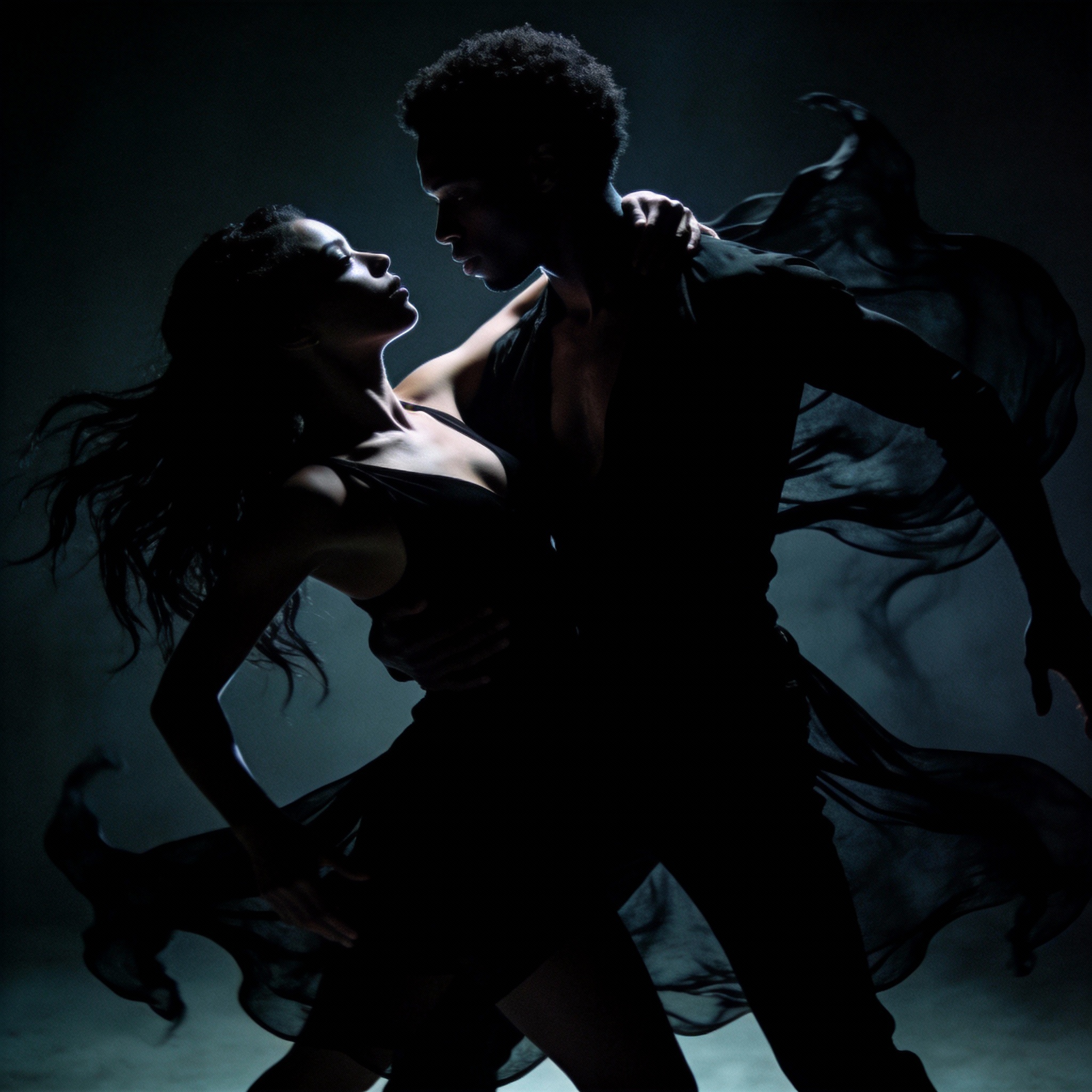
Dance movies have carved out a unique space in cinematic history, blending physical expression with emotional storytelling in ways that captivate audiences across generations. The question is Why We Love Dance Movies? Whether rooted in competition, personal transformation, or cultural celebration, these films offer more than choreography—they deliver rhythm, resilience, and raw human connection.
The genre continues to evolve, embracing new styles and voices while maintaining its core appeal, movement as metaphor, dance as dialogue, and performance as personal truth. This exploration breaks down the enduring allure of dance films through twelve distinct perspectives, each offering fresh insight into why these stories resonate so deeply. From visual spectacle to emotional catharsis, the journey through dance cinema is one of rhythm, revelation, and resonance.
The Emotional Language Of Movement
Dance movies often succeed where words fail, using movement to express longing, defiance, joy, and heartbreak. The body becomes a vessel for unspoken truths, allowing characters to communicate through rhythm and gesture. This emotional clarity draws viewers into the story, creating a visceral connection that transcends dialogue. Audiences respond to the vulnerability and intensity of dance, recognizing their own emotions in the choreography. The genre thrives on this silent eloquence, turning physicality into poetry.
Table – Emotional Themes In Dance Films
| Emotion | Dance Expression | Cinematic Impact |
|---|---|---|
| Joy | Upbeat, expansive movements | Uplifting tone |
| Anger | Sharp, aggressive choreography | Tension and release |
| Love | Fluid, intimate partnering | Romantic resonance |
| Grief | Slow, grounded motion | Reflective atmosphere |
| Hope | Rising, energetic sequences | Inspirational arc |
The Power Of Transformation
Dance films often center on personal growth, using movement as a metaphor for change. Characters begin in states of uncertainty or limitation and evolve through discipline, passion, and self-discovery. This transformation is both physical and emotional, reflecting the journey toward confidence and purpose. Audiences are drawn to these arcs because they mirror real-life struggles and triumphs. The genre celebrates resilience, showing how movement can unlock identity and strength.
Points – How Dance Reflects Personal Change
- Dance training symbolizes commitment and perseverance.
- Choreography mirrors emotional evolution.
- Physical mastery parallels inner confidence.
- Movement becomes a tool for self-expression.
- Transformation is visual, emotional, and narrative.
The Visual Spectacle Of Choreography
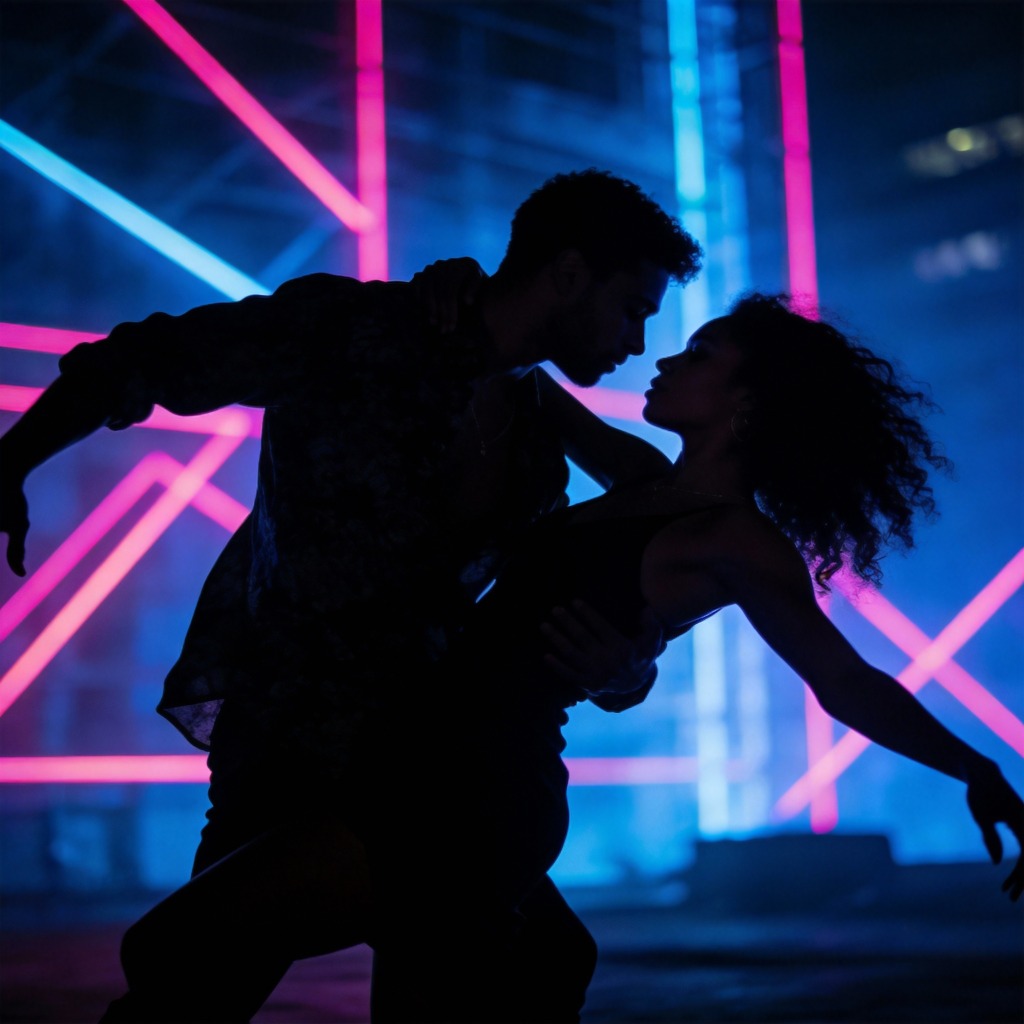
Dance movies offer a feast for the eyes, with carefully crafted sequences that blend athleticism, artistry, and cinematic flair. Directors use lighting, camera angles, and editing to elevate choreography into visual storytelling. The result is a dynamic interplay between dancer and lens, where every gesture is amplified and stylized. Audiences are captivated by the precision and beauty of these scenes, which often serve as emotional climaxes. The genre thrives on spectacle, turning movement into cinematic magic.
Table – Cinematic Techniques In Dance Scenes
| Technique | Purpose | Effect On Viewer |
|---|---|---|
| Slow Motion | Emphasize emotion | Heightened drama |
| Wide Shots | Showcase ensemble | Spatial clarity |
| Close-Ups | Highlight intensity | Emotional intimacy |
| Lighting Design | Shape mood | Visual atmosphere |
| Editing Rhythm | Match choreography | Seamless flow |
The Celebration Of Culture And Identity
Dance films frequently explore cultural heritage, using movement to honor tradition and community. Whether rooted in street styles, classical forms, or indigenous practices, these movies highlight the diversity of global expression. Audiences connect with the authenticity and pride embedded in cultural choreography. The genre becomes a platform for representation, allowing underrepresented voices to shine through movement. Dance becomes a bridge between generations, histories, and identities.
Points – Cultural Significance In Dance Films
- Choreography reflects cultural values and rituals.
- Dance preserves and celebrates heritage.
- Movement connects characters to their roots.
- Films promote cross-cultural understanding.
- Identity is expressed through style and rhythm.
The Rhythm Of Rebellion
Dance movies often feature characters who challenge authority or social norms through movement. The act of dancing becomes a form of resistance, a way to reclaim space and voice. Audiences are drawn to this defiance, recognizing the courage it takes to move against expectation. Choreography becomes a battleground for autonomy and expression. The genre channels rebellion into rhythm, turning protest into performance.
Table – Dance As Defiance
| Conflict | Dance Response | Narrative Outcome |
|---|---|---|
| Social Pressure | Unconventional style | Personal liberation |
| Family Expectations | Secret practice | Emotional breakthrough |
| Institutional Rules | Public performance | Collective empowerment |
| Cultural Barriers | Fusion choreography | Identity affirmation |
| Internal Doubt | Solo expression | Self-acceptance |
The Chemistry Of Connection
Dance films often explore relationships through movement, using choreography to build intimacy and trust. Partnering sequences reveal emotional dynamics, from tension to tenderness. Audiences are drawn to the physical dialogue between dancers, which often conveys more than spoken words. The genre uses movement to explore love, friendship, rivalry, and reconciliation. Dance becomes a language of connection, where every step tells a story.
Points – Relationship Dynamics In Dance
- Partnering builds trust and vulnerability.
- Movement reveals emotional tension.
- Choreography explores romantic attraction.
- Dance resolves interpersonal conflict.
- Physicality deepens character relationships.
The Journey Of Discipline And Dedication
Behind every dance performance lies hours of training, sacrifice, and focus. Dance movies highlight this journey, showing the physical and mental demands of mastering movement. Audiences respect the discipline required, recognizing the parallels to their own pursuits. The genre honors the process, not just the performance. Dance becomes a metaphor for commitment and growth.
Table – Elements Of Dance Training
| Element | Role In Story | Viewer Impact |
|---|---|---|
| Repetition | Builds skill | Shows perseverance |
| Injury | Tests resilience | Adds realism |
| Mentorship | Guides progress | Emotional depth |
| Practice Spaces | Reflect character | Visual symbolism |
| Technique | Shapes style | Artistic appreciation |
The Pulse Of Youth And Energy
Dance films often center on young protagonists, capturing the urgency and excitement of adolescence. Movement becomes a way to channel emotion, explore identity, and assert independence. Audiences respond to the energy and spontaneity of youth-driven choreography. The genre celebrates vitality, using dance to reflect the chaos and clarity of growing up. These stories pulse with rhythm, rebellion, and revelation.
Points – Youthful Themes In Dance Films
- Teen characters explore identity through movement.
- Dance reflects emotional intensity of adolescence.
- Choreography channels energy and spontaneity.
- Stories highlight coming-of-age transformation.
- Youthful passion drives narrative momentum.
The Role Of Competition And Performance
Many dance movies revolve around contests, auditions, or public showcases, using performance as a narrative climax. These scenes heighten stakes, test character growth, and deliver emotional payoff. Audiences are drawn to the tension and triumph of competitive choreography. The genre uses performance to validate effort and transformation. Dance becomes a proving ground for passion and purpose.
Table – Performance Structures In Dance Films
| Format | Narrative Function | Emotional Effect |
|---|---|---|
| Audition | Tests readiness | Builds suspense |
| Showcase | Reveals growth | Inspires pride |
| Battle | Highlights rivalry | Adds intensity |
| Recital | Honors tradition | Evokes nostalgia |
| Final Competition | Resolves arc | Delivers catharsis |
The Fusion Of Music And Movement
Dance films rely heavily on music to shape mood, rhythm, and emotional tone. The soundtrack becomes a partner to choreography, guiding tempo and atmosphere. Audiences respond to the synergy between sound and motion, which creates immersive experiences. The genre thrives on this fusion, turning beats into narrative cues. Music and movement together form the heartbeat of dance cinema.
Points – Musical Influence In Dance Films
- Soundtrack sets emotional tone.
- Music guides choreography rhythm.
- Lyrics enhance narrative themes.
- Genre influences dance style.
- Musical shifts reflect character change.
The Impact Of Visual Identity And Style
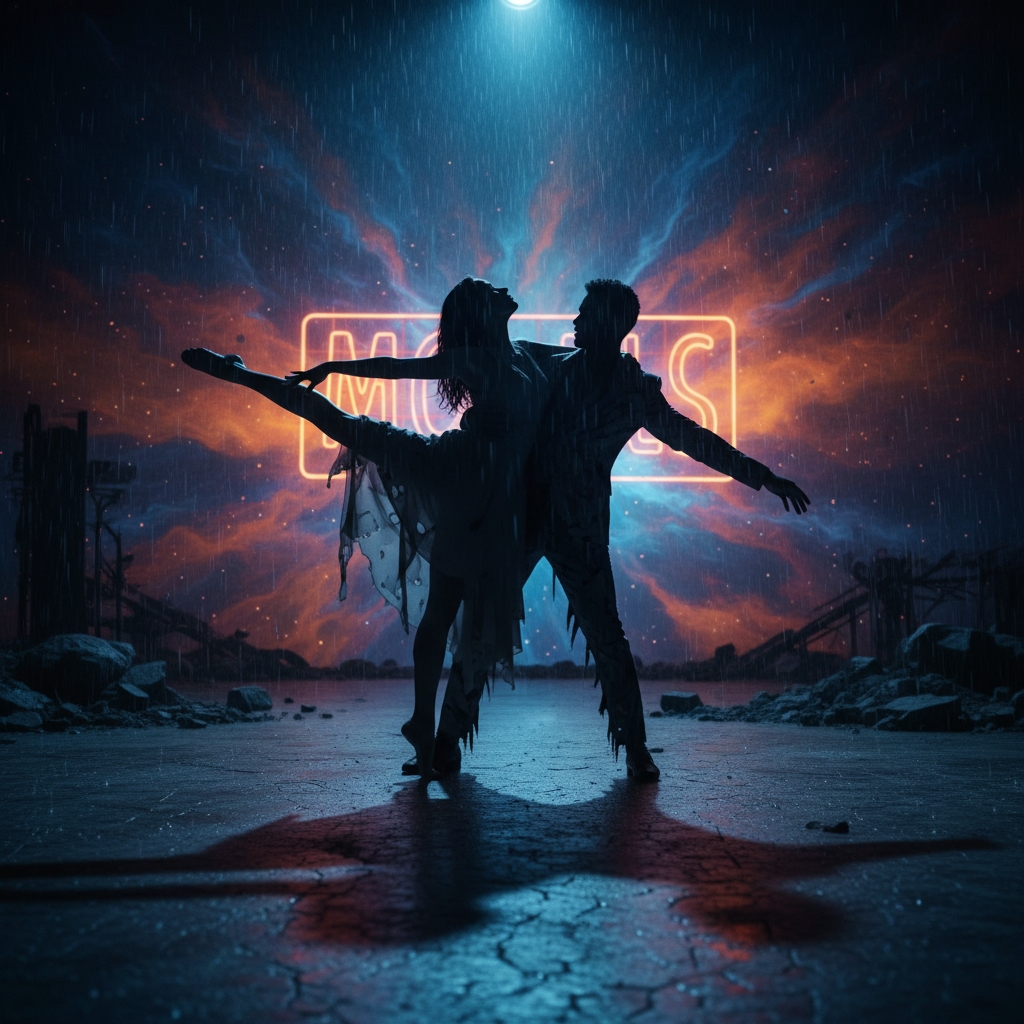
Dance movies often feature distinct visual aesthetics, using costume, lighting, and set design to enhance storytelling. These elements shape the mood and meaning of choreography, adding layers of symbolism. Audiences are drawn to the stylized worlds these films create, where every visual choice supports the emotional arc. The genre uses style to amplify substance. Dance becomes part of a larger visual language.
Table – Visual Elements In Dance Films
| Element | Function | Narrative Role |
|---|---|---|
| Costume | Defines character | Reflects transformation |
| Lighting | Shapes emotion | Enhances choreography |
| Set Design | Establishes tone | Supports story world |
| Color Palette | Signals mood | Guides viewer response |
| Camera Movement | Follows rhythm | Deepens immersion |
The Universality Of Dance As Storytelling
Dance transcends language, geography, and background, making it one of the most universal forms of storytelling. Dance movies tap into this power, connecting audiences through shared emotion and movement. The genre speaks to the human experience in ways that are immediate and profound. Audiences from all walks of life find meaning in the rhythm and gesture of dance. These films remind us that movement is a story everyone understands.
Points – Why Dance Resonates Globally
- Movement communicates across cultures.
- Dance expresses universal emotions.
- Choreography reflects shared human experiences.
- Stories transcend language barriers.
- Audiences connect through rhythm and gesture.
Conclusion
Dance movies continue to captivate because they speak to something primal, poetic, and profoundly human. Through movement, they explore identity, emotion, and transformation in ways that words alone cannot. The genre remains vibrant and evolving, embracing new voices while honoring timeless truths. Whether grounded in realism or stylized spectacle, dance films offer a rhythm that resonates across cultures and generations. Their enduring appeal lies in the way they turn motion into meaning, and performance into personal truth.
Join The Discussion
What draws you to dance movies, and which ones have moved you the most?
#DanceCinema #WhyWeLoveDanceMovies #MovementAsStory #ChoreographyOnScreen #DanceFilmCulture #CinematicRhythm #VisualStorytelling #DanceAndEmotion #FilmGenresExplored #CulturalExpressionThroughDance #DanceMovieMagic #PerformanceAndIdentity