

Will Movies Ever Return To Film Material Or Remain Digital Forever
Will Movies Return To Film – The Debate Between Film And Digital
Cinema has always been shaped by the materials and technologies that define its production, distribution, and preservation. For most of the twentieth century, celluloid film was the dominant medium, offering a tactile and chemical process that created the distinctive look of classic movies. The arrival of digital cinematography in the late 1990s and early 2000s introduced a new era, one defined by efficiency, affordability, and accessibility. Filmmakers quickly realized that digital cameras eliminated the need for costly film stock, chemical processing, and lengthy waits for dailies.
Studios embraced digital workflows because they streamlined editing, visual effects, and distribution. Yet, despite these advantages, many directors and cinematographers continue to argue that film possesses an irreplaceable aesthetic quality. The grain, depth, and dynamic range of film are often described as more organic and emotionally resonant. This debate is not merely technical but cultural, as it reflects how audiences perceive authenticity and artistry. The question remains whether film will ever regain its central role or whether digital will dominate permanently. To explore this, we must examine history, economics, technology, and artistic preference. Each perspective reveals why the future of cinema is contested and why the answer is not simple.
Film History And Legacy – A Century Of Celluloid
| Aspect | Film Material | Digital Technology |
|---|---|---|
| Introduction | Invented in late 19th century | Emerged commercially in late 20th century |
| Dominance | Controlled cinema for 100 years | Became dominant in less than 20 years |
| Aesthetic | Grain, texture, depth | Sharpness, clarity, flexibility |
| Cost | Expensive stock and processing | Lower production and distribution costs |
| Preservation | Vulnerable to decay | Easier duplication and storage |
| Accessibility | Limited to studios | Available to independent creators |
| Editing | Manual cutting and splicing | Non-linear digital editing |
| Distribution | Physical reels | Digital files and streaming |
| Audience Impact | Nostalgic and immersive | Immediate and global |
| Cultural Value | Iconic heritage | Technological revolution |
Artistic Preference – Directors And Cinematographers
Many filmmakers continue to defend the artistic superiority of film, citing its ability to capture light and shadow in ways digital cannot replicate. Directors such as Christopher Nolan and Quentin Tarantino insist that film provides a richness of color and depth that enhances storytelling. Cinematographers often argue that film grain adds texture that feels alive, whereas digital images can appear sterile.
The ritual of loading reels and projecting celluloid is also seen as part of cinema’s cultural identity. However, younger filmmakers raised in the digital era often prefer the flexibility and affordability of digital cameras. They value the ability to shoot longer takes without worrying about film stock costs. Digital workflows also allow immediate review of footage, which accelerates creative decision-making. The divide between generations highlights how technology influences artistic values. While film remains cherished by purists, digital has become the default for most productions. This tension ensures that the debate continues across festivals, studios, and classrooms.
Economic Realities – Cost And Accessibility
- Film stock requires chemical processing and specialized laboratories.
- Digital cameras reduce costs by eliminating reels and processing fees.
- Independent filmmakers benefit from digital affordability.
- Studios save millions in production budgets by adopting digital workflows.
- Distribution of film reels is expensive compared to digital files.
- Streaming platforms rely entirely on digital formats.
- Film preservation requires climate-controlled vaults.
- Digital preservation allows duplication across servers worldwide.
- Economic pressures favor digital adoption.
- Film remains viable only for niche projects.
- Cost efficiency drives industry decisions.
- Accessibility ensures digital dominance.
Technological Advancements – Resolution And Innovation
| Feature | Film Material | Digital Technology |
|---|---|---|
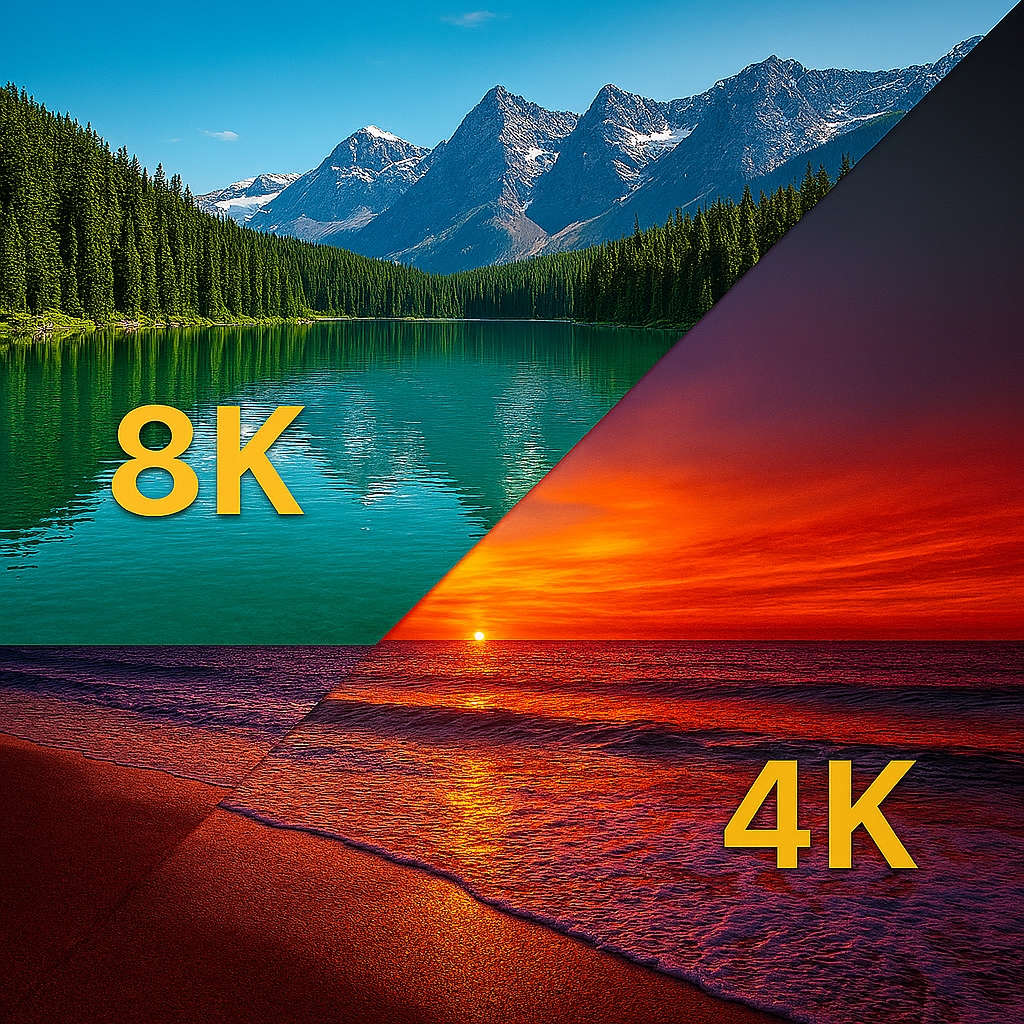
| Resolution | Approx. 4K equivalent | Up to 8K and beyond |
| Dynamic Range | Natural highlight roll-off | Expanded HDR capabilities |
| Editing | Physical splicing | Non-linear digital editing |
| Effects | Optical effects | CGI and compositing |
| Storage | Vulnerable reels | Cloud-based archives |
| Distribution | Limited physical reach | Global instant streaming |
| Cameras | Heavy and mechanical | Lightweight and versatile |
| Accessibility | Restricted to studios | Available to all creators |
| Innovation | Slow evolution | Rapid technological growth |
| Future Potential | Nostalgic preservation | Expanding immersive formats |
Audience Perception – Nostalgia And Modern Expectations
Audiences often associate film with authenticity, believing that celluloid conveys a timeless quality. Classic movies projected on film evoke nostalgia and cultural memory. Yet modern audiences have grown accustomed to digital clarity, expecting sharp resolution and immersive sound. Streaming platforms have normalized digital consumption, making film projection rare outside specialized theaters. Younger viewers may not even recognize the difference between film and digital. However, cinephiles argue that film screenings provide a unique communal experience. The tactile imperfections of film, such as scratches or flicker, are seen as part of its charm.
Digital, by contrast, offers consistency and reliability. Audience expectations shape industry choices, as studios prioritize formats that maximize reach. Nostalgia sustains film festivals and boutique screenings, but mainstream audiences demand digital convenience. This divergence ensures that both formats retain cultural significance.

Preservation Challenges – Film Archives And Digital Storage
Film reels are vulnerable to physical decay, including vinegar syndrome, mold, and color fading over time. Archivists must store reels in climate-controlled vaults to slow deterioration, which is costly and resource-intensive. Digital files, by contrast, can be duplicated endlessly without loss of quality, though they face risks of obsolescence and data corruption. Preservationists argue that film remains more stable in the long term because digital formats constantly change, requiring migration to new systems. The Library of Congress and other institutions continue to invest in both film and digital preservation strategies.
Film reels stored properly can last for over a century, while digital files may become unreadable if formats are abandoned. The challenge lies in balancing tradition with technological evolution. Studios often prioritize digital preservation because it aligns with modern distribution platforms. Yet film archives remain essential for cultural heritage, ensuring that original works are safeguarded. Preservation debates highlight the tension between permanence and adaptability. Both formats require ongoing investment to ensure future accessibility. The survival of cinema depends on how well these preservation challenges are managed.
Industry Standards – Professional Adoption And Workflow
| Workflow Element | Film Material | Digital Technology |
|---|---|---|
| Shooting | Limited takes due to stock costs | Unlimited takes with memory cards |
| Editing | Manual cutting and splicing | Non-linear digital editing software |
| Distribution | Physical reels shipped worldwide | Digital files uploaded instantly |
| Projection | Mechanical projectors | Digital projectors with servers |
| Archiving | Vault storage | Cloud and server duplication |
| Training | Specialized film handling | Software and digital literacy |
| Costs | High due to stock and labs | Lower due to efficiency |
| Accessibility | Restricted to major studios | Available to independent creators |
| Flexibility | Limited adjustments | Real-time review and correction |
| Innovation | Slow evolution | Rapid technological upgrades |
Cultural Identity – Film As Heritage And Digital As Progress
Cinema is not only a technological medium but also a cultural artifact that reflects identity and heritage. Film reels are often displayed in museums as symbols of twentieth-century creativity. The tactile nature of celluloid connects audiences to the origins of cinema. Digital, however, represents progress, accessibility, and democratization of filmmaking. Communities worldwide now produce films without the barriers of expensive stock. Cultural identity is shaped by both nostalgia for film and excitement for digital innovation. Festivals dedicated to film screenings preserve traditions while embracing digital submissions.
The coexistence of both formats reflects the diversity of global cinema. Film is often associated with prestige and artistry, while digital is linked to inclusivity and experimentation. This duality enriches cultural narratives by offering multiple perspectives. Audiences experience cinema as both heritage and modernity. The debate itself becomes part of cultural identity, ensuring relevance across generations.
Environmental Impact – Sustainability And Resource Use
- Film production requires chemical processing that generates waste.
- Laboratories consume water and energy for film development.
- Digital workflows reduce chemical waste significantly.
- Film reels require plastics and metals for manufacturing.
- Digital cameras rely on electronic components and batteries.
- E-waste from digital devices poses environmental challenges.
- Film preservation demands climate-controlled vaults consuming energy.
- Digital preservation depends on server farms with high electricity use.
- Both formats have environmental costs that must be managed.
- Sustainability initiatives encourage recycling of film materials.
- Cloud providers invest in renewable energy for digital storage.
- Environmental impact influences industry decisions about format adoption.
Innovation In Distribution – Streaming And Theatrical Experience
| Distribution Method | Film Material | Digital Technology |
|---|---|---|
| Theatrical Projection | Reels shipped to theaters | Digital files uploaded to servers |
| Home Viewing | VHS and DVD transfers | Streaming platforms |
| Accessibility | Limited to theaters | Global instant access |
| Cost | High shipping and duplication | Low digital distribution costs |
| Speed | Weeks for reel delivery | Instant worldwide release |
| Piracy | Difficult to duplicate reels | Easy duplication of files |
| Preservation | Vulnerable reels | Cloud archives |
| Audience Reach | Localized screenings | Global simultaneous premieres |
| Flexibility | Fixed schedules | On-demand viewing |
| Future Potential | Niche screenings | Expanding immersive streaming formats |
Technological Convergence – Hybrid Approaches In Modern Cinema
Many filmmakers now experiment with hybrid workflows that combine film capture with digital post-production. This approach allows directors to preserve the aesthetic of film while benefiting from digital editing tools. Studios often scan film reels into digital formats for easier distribution. Hybrid methods reflect the desire to balance tradition with innovation. Directors such as Nolan shoot on film but rely on digital projection for global audiences. This convergence demonstrates that film and digital are not mutually exclusive. Instead, they complement each other in modern workflows.
Hybrid approaches also ensure that film remains relevant in a digital age. Audiences experience the look of film with the convenience of digital access. This blending of formats enriches cinematic diversity. Hybrid workflows may represent the future of cinema, where both traditions coexist. The convergence ensures that neither format disappears entirely.
Educational Influence – Film Schools And Digital Training
Film schools historically trained students in the craft of handling celluloid, teaching them to load reels, cut strips, and splice footage by hand. These practices instilled discipline and respect for the physical medium, emphasizing patience and precision. With the rise of digital, curricula shifted toward software literacy, focusing on editing platforms, color grading tools, and visual effects integration. Students today often learn digital workflows first, with film training reserved for specialized courses.
This change reflects industry demand, as most studios expect graduates to be proficient in digital systems. However, some institutions maintain film programs to preserve heritage and teach the tactile artistry of celluloid. The balance between film and digital education demonstrates how technology reshapes pedagogy. Students exposed to both formats gain a broader appreciation of cinema’s evolution. Film training fosters respect for tradition, while digital training prepares students for modern industry realities. Educational influence ensures that debates about format remain alive in classrooms. The next generation of filmmakers will carry forward both legacies. This duality enriches the cultural and technical foundation of cinema.
Technological Expansion – Cameras And Projection
| Element | Film Material | Digital Technology |
|---|---|---|
| Cameras | Heavy mechanical devices | Lightweight digital sensors |
| Projection | Reel-based projectors | Digital servers and projectors |
| Portability | Limited mobility | High portability |
| Maintenance | Requires specialized technicians | Easier servicing |
| Innovation Speed | Slow incremental changes | Rapid sensor and software upgrades |
| Accessibility | Restricted to studios | Available to independent creators |
| Image Quality | Organic grain | Ultra-high resolution clarity |
| Flexibility | Fixed stock sensitivity | Adjustable ISO and dynamic range |
| Storage | Bulky reels | Compact memory cards |
| Future Potential | Nostalgic preservation | Expanding immersive projection formats |
Audience Experience – Theatrical Versus Streaming
Audiences once relied exclusively on theaters to experience films, with reels projected onto large screens. This communal setting created a sense of ritual and cultural significance. Digital technology introduced streaming platforms, allowing audiences to watch films anywhere, anytime. The convenience of streaming reshaped expectations, prioritizing accessibility over tradition. Yet theaters remain valued for immersive sound and scale, offering experiences that streaming cannot replicate. Film screenings in theaters evoke nostalgia and prestige, while digital screenings emphasize immediacy.
Audiences now navigate between these two modes depending on preference. Some prioritize the grandeur of theaters, while others value the flexibility of home viewing. The coexistence of both experiences reflects broader cultural shifts. Streaming ensures global reach, while theaters preserve communal identity. Audience experience continues to evolve as technology expands. The debate between theatrical and streaming formats mirrors the larger film versus digital discussion.
Industry Economics – Studios And Independent Filmmakers
- Studios save millions by adopting digital workflows.
- Independent filmmakers gain access to affordable digital cameras.
- Film stock remains costly and limits production budgets.
- Digital distribution reduces shipping and duplication expenses.
- Streaming platforms rely entirely on digital formats.
- Film preservation requires expensive vaults.
- Digital preservation depends on server infrastructure.
- Studios prioritize efficiency over tradition.
- Independent creators embrace digital for accessibility.
- Film remains viable only for niche projects.
- Economic realities drive digital dominance.
- Cost efficiency ensures long-term adoption.
Artistic Innovation – Experimentation And Hybrid Creativity
| Aspect | Film Material | Digital Technology |
|---|---|---|
| Experimentation | Optical effects and manual techniques | CGI, compositing, and digital manipulation |
| Creativity | Grain and texture as artistic tools | Infinite digital filters and grading options |
| Accessibility | Limited experimentation due to cost | Affordable experimentation with digital tools |
| Hybrid Use | Film capture with digital post-production | Digital capture with film emulation |
| Audience Impact | Nostalgic authenticity | Modern immersive visuals |
| Preservation | Original reels as artifacts | Digital archives for experimentation |
| Innovation Speed | Slow evolution | Rapid creative expansion |
| Cultural Value | Heritage and prestige | Inclusivity and democratization |
| Future Potential | Boutique artistry | Expanding creative diversity |
| Balance | Tradition preserved | Innovation accelerated |
Final Reflection – Will Film Return Or Digital Stay Forever
The evidence across history, economics, technology, and culture suggests that digital will remain the dominant format. Its affordability, accessibility, and innovation make it indispensable for modern filmmaking. Film, however, continues to hold cultural and artistic value, ensuring its survival as a niche medium. Directors committed to celluloid will preserve its legacy through specialized projects. Audiences will experience both formats depending on context and preference. The coexistence of film and digital enriches cinema by offering diversity. Yet the scale of digital adoption across production and distribution indicates permanence. Film will remain treasured but limited in scope.
Digital ensures global reach and efficiency, shaping the future of cinema. The debate itself sustains cultural identity, keeping questions of authenticity alive. Ultimately, movies will remain mostly digital, but film will endure as heritage. This balance defines the future of cinematic storytelling.
Join The Discussion
Do you believe film can reclaim its dominance, or will digital remain the permanent foundation of cinema?
#CinemaFuture #FilmVsDigital #MovieTechnology #CulturalIdentity #FilmPreservation #DigitalDominance #CinephileDebate #MovieInnovation



Leave a Reply