Why Is Music Important In Different Settings
Why Is Music Important
Music has a way of slipping into the emotional architecture of a space, reshaping the atmosphere without ever needing permission. The moment a song begins, the air seems to shift, as if the room itself inhales differently. People respond instinctively, long before thought has time to intervene. A single note can soften the edges of tension, brighten a dull moment, or pull hidden feelings to the surface. Music becomes a quiet sculptor of mood, carving emotional contours into whatever environment it enters.
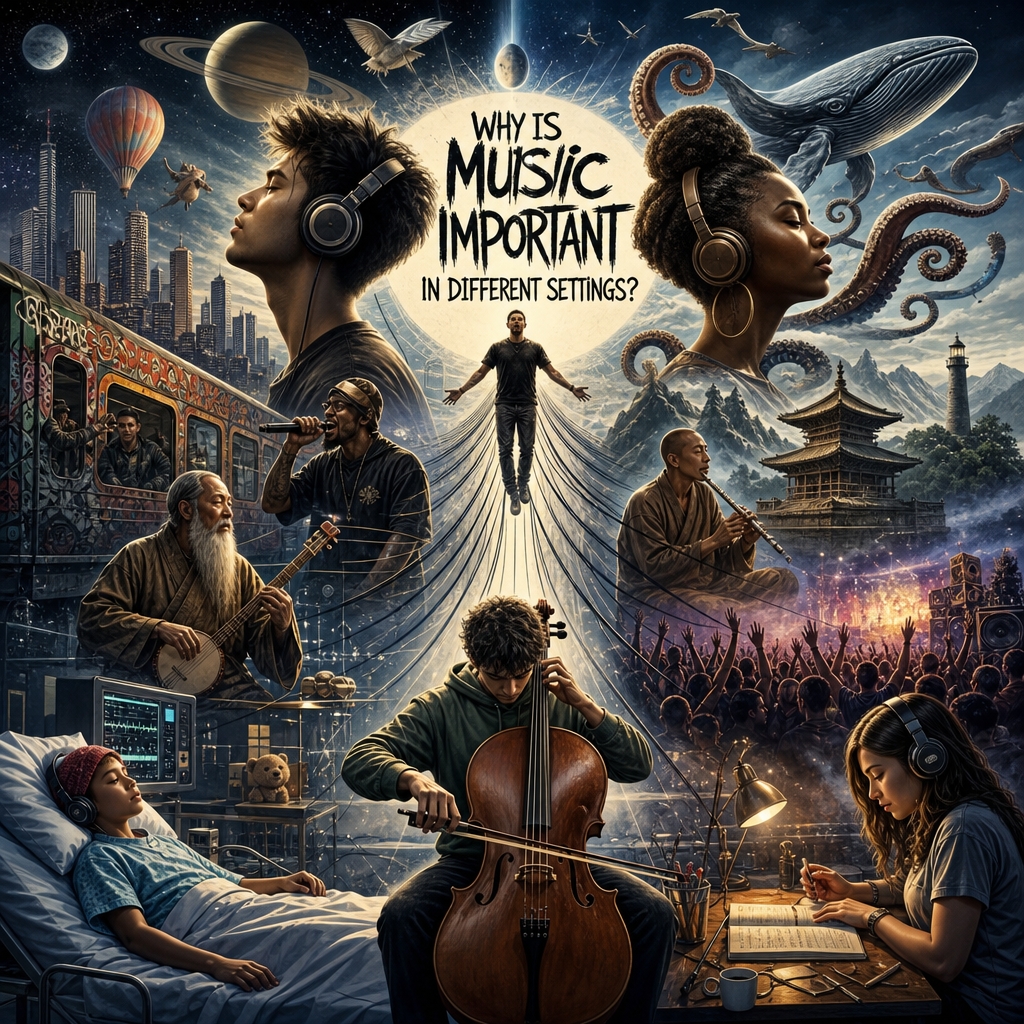
Every setting interacts with music in its own peculiar way. A living room absorbs sound differently than a crowded street; a quiet café responds differently than a gym filled with movement. The same song can feel intimate in one place and expansive in another. This adaptability makes music feel almost alive, as if it senses the emotional temperature of a space and adjusts its presence accordingly. It becomes a subtle collaborator in shaping the tone of the moment.
People often rely on music to express emotions that resist language. A melody can hold grief without collapsing under its weight, or carry joy without needing explanation. Music becomes a vessel for feelings that are too complex, too layered, or too fragile to articulate. It offers a form of emotional translation, turning internal states into something audible, something shareable, something that can be felt rather than explained.
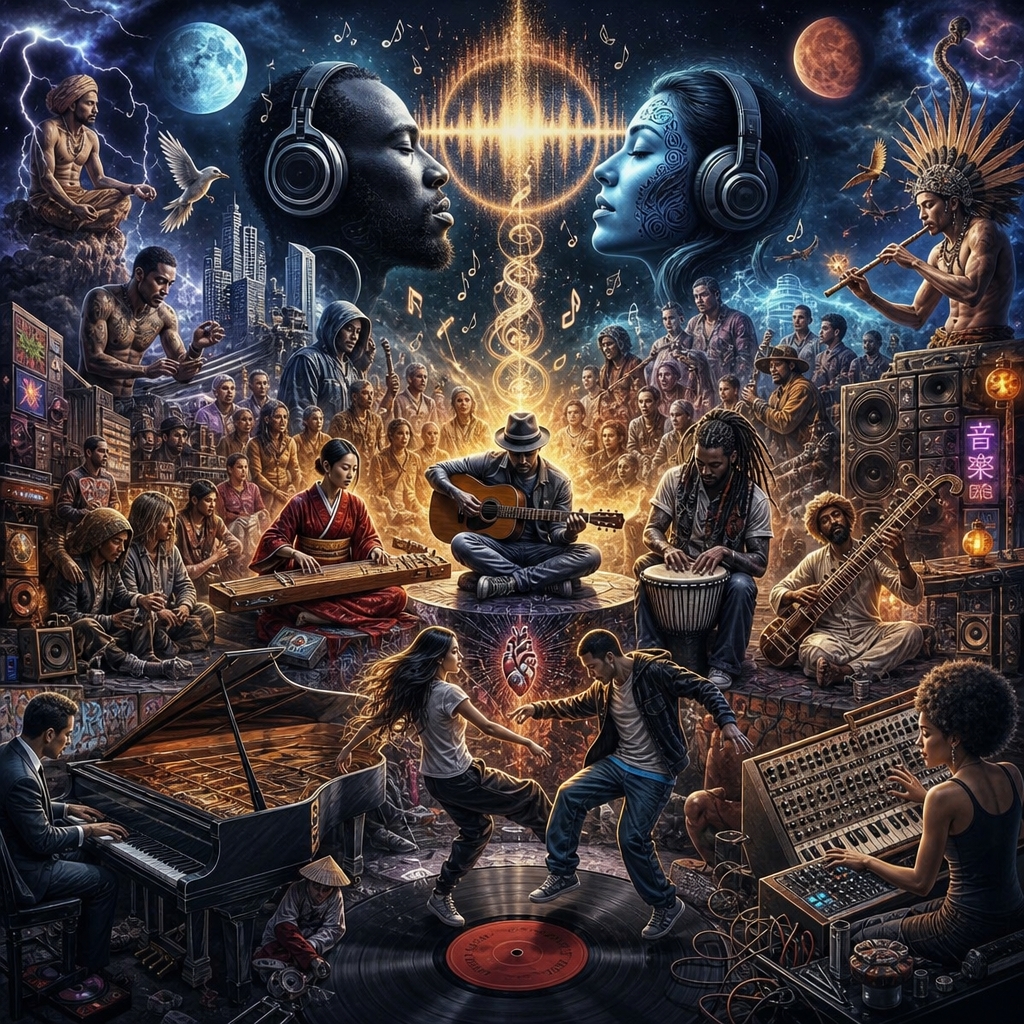
Music also creates connection in ways that feel almost mysterious. A shared song can bind strangers, soften conflict, or create a sense of unity that words alone rarely achieve. In group settings, music becomes a kind of emotional glue, aligning people’s rhythms and drawing them into a shared experience. Even in solitude, it creates a sense of companionship — a presence that fills the quiet without overwhelming it.
Different environments highlight different aspects of music’s influence. In a calm space, music can act like a gentle current, guiding thoughts into softer patterns. In a lively setting, it can amplify energy, pushing people into motion. In reflective moments, it can open emotional doors that have been closed for years. Music adapts to the emotional needs of the moment, shifting its role with remarkable fluidity.
There is also a psychological depth to how people choose music. They gravitate toward sounds that mirror their inner landscape — songs that match their mood, challenge it, or soothe it. These choices reveal subtle truths about what someone is feeling, even when they don’t consciously realise it. Music becomes a diagnostic tool for the heart, exposing emotional textures that might otherwise remain hidden.
Over time, music forms a kind of emotional timeline. Certain songs become tied to specific memories, places, or versions of ourselves. Hearing them again can feel like stepping into a preserved moment, untouched by the passing years. These musical markers create a sense of continuity, reminding us of who we were, who we are, and who we are becoming. Music becomes a thread woven through the story of a life.
In the end, music becomes a universal companion — adaptable, expressive, and deeply intertwined with human experience. It shapes emotion, guides atmosphere, and creates connection in ways that feel both ancient and immediate. Through its presence, daily life gains texture, depth, and meaning. Music doesn’t just accompany us; it moves with us, shaping the emotional landscape of every moment it touches.
Music carries a unique ability to shape emotion, atmosphere, and connection, making it essential in a wide range of settings. People respond to music instinctively, often without needing to think about why it affects them. Each environment interacts with music differently, creating a distinct emotional tone. Music can soften tension, energize a space, or create a sense of unity. It becomes a tool of understanding and emotions for shaping mood and guiding experience. People often rely on music to express feelings that words cannot capture. Different settings highlight different aspects of music’s influence. This makes music a flexible and powerful presence in daily life. Through this lens, music becomes a universal companion.
The Emotional Influence Of Music
Music shapes emotion in ways that feel immediate and powerful. People respond to rhythm, tone, and melody with instinctive reactions. This emotional influence changes how they experience a setting. Music can create calmness, excitement, or reflection. It becomes a guide for emotional movement. People often choose music based on how they want to feel. This creates a strong connection between music and environment. Emotional influence becomes a major factor. Music shapes the atmosphere of any space.
| Emotional Tone | Description | Effect On Setting |
|---|---|---|
| Calmness | Gentle presence | Softened atmosphere |
| Excitement | High energy | Lively environment |
| Reflection | Thoughtful mood | Depth |
| Warmth | Positive feeling | Comfort |
The Role Of Personal Memory
Personal memory shapes how people respond to music in different settings. Music often carries emotional associations. These memories influence how a song feels in a particular environment. People may feel comforted, energized, or nostalgic. Memory becomes a bridge between past and present. It shapes emotional tone. Music becomes more meaningful through these connections. Each setting brings out different memories. Memory becomes a powerful influence.
- Memory shapes emotional reaction
- Music becomes personally meaningful
- Settings trigger different associations
- Emotional tone deepens
- People respond instinctively
- Music connects past and present
- Memory enriches experience
- Each song carries history
- Memory shapes interpretation
The Influence Of Social Atmosphere
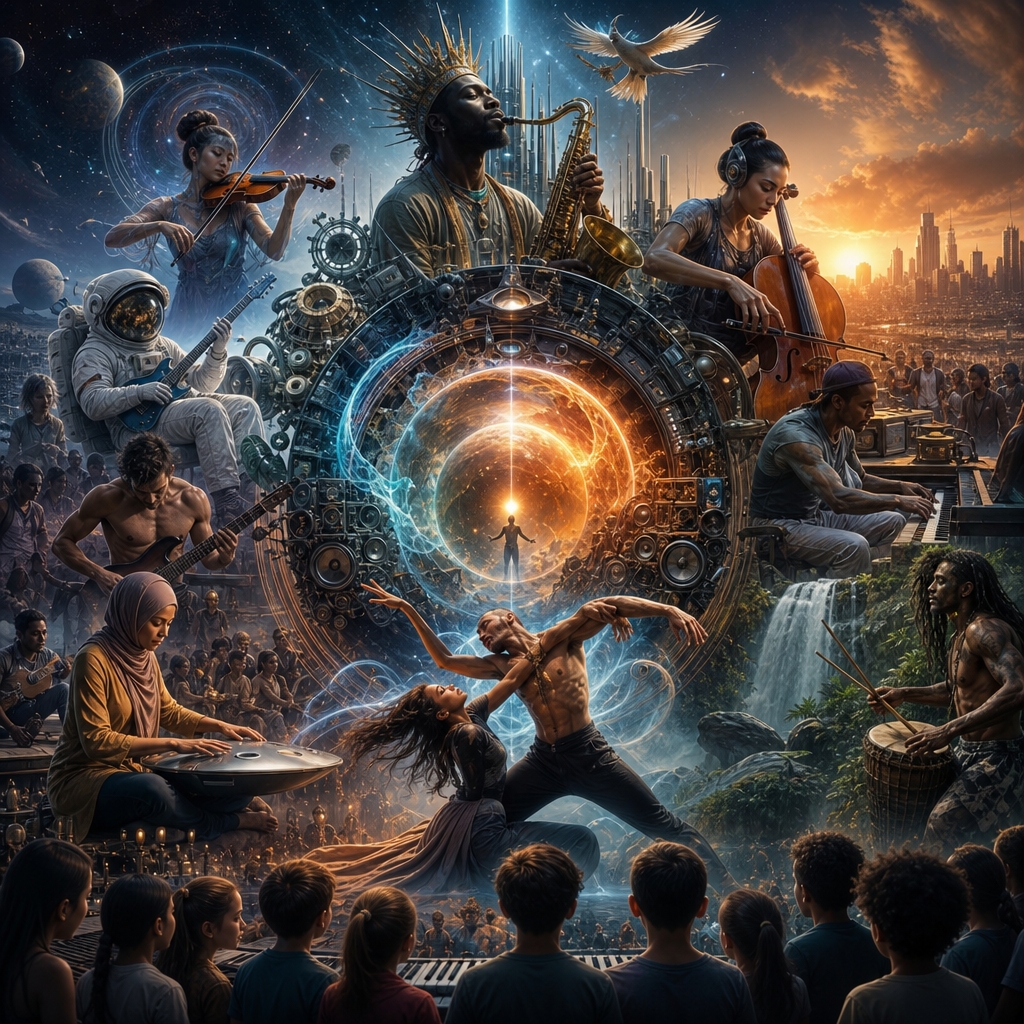
Social atmosphere shapes how music is experienced. Groups respond to music collectively. This creates shared emotional movement. Music becomes a unifying force. It shapes the tone of social interaction. People feel more connected when music supports the atmosphere. Social energy influences how music is interpreted. Music becomes part of group identity. Social atmosphere becomes a major factor.
| Social Element | Influence | Emotional Tone |
|---|---|---|
| Group Energy | Shared emotion | Unity |
| Conversation | Background tone | Flow |
| Celebration | High excitement | Joy |
| Reflection | Quiet moments | Calmness |
The Power Of Rhythm
Rhythm shapes how people move through different settings. It influences pace and emotional flow. Rhythm can energize or slow down a space. People respond to rhythm physically and emotionally. It becomes a guide for movement. Rhythm shapes the tone of an environment. It creates structure within a setting. People feel rhythm even when they do not focus on it. Rhythm becomes a subtle force.
- Rhythm shapes movement
- Pace shifts naturally
- Emotional flow changes
- Rhythm guides experience
- People respond instinctively
- Settings gain structure
- Rhythm influences tone
- Movement becomes expressive
- Rhythm shapes atmosphere
The Influence Of Cultural Meaning
Cultural meaning shapes how music is interpreted in different settings. Music carries traditions, stories, and shared identity. These cultural layers influence emotional response. People feel connected to their heritage through music. Cultural meaning shapes how music is used in ceremonies, gatherings, and celebrations. It becomes a symbol of belonging. Music reflects collective values. Cultural meaning enriches experience. It becomes a powerful influence.
| Cultural Element | Influence | Emotional Tone |
|---|---|---|
| Tradition | Shared history | Depth |
| Ritual | Repeated practice | Continuity |
| Celebration | Cultural pride | Warmth |
| Identity | Group expression | Strength |
The Role Of Intention
Intention shapes how music is chosen for different settings. People select music based on the atmosphere they want to create. Intention guides emotional tone. It shapes how people respond to the environment. Music becomes a tool for shaping experience. Intention makes music purposeful. It influences how settings feel. People use music to express mood. Intention becomes a guiding force.
- Intention shapes selection
- Atmosphere becomes purposeful
- Music guides emotion
- People respond to tone
- Settings gain clarity
- Intention influences rhythm
- Music becomes expressive
- Purpose shapes experience
- Intention enriches meaning
The Influence Of Physical Space
Physical space shapes how music is experienced. Large spaces amplify sound differently than small ones. Space influences emotional tone. Music interacts with walls, air, and distance. People feel music differently depending on the environment. Space shapes how sound travels. It influences atmosphere. Music becomes part of the physical setting. Space becomes a major factor.
| Space Type | Influence | Emotional Effect |
|---|---|---|
| Open Area | Wide sound | Freedom |
| Small Room | Close tone | Intimacy |
| Hall | Echoing presence | Grandeur |
| Outdoor Setting | Natural blend | Lightness |
The Power Of Connection
Connection shapes how people experience music in different settings. Music creates emotional bonds. People feel connected to others through shared sound. Connection deepens emotional tone. It shapes how music is interpreted. Music becomes a bridge between people. Connection enriches atmosphere. It becomes a defining element. Music strengthens social ties.
- Connection deepens emotion
- Music becomes shared
- People feel closer
- Atmosphere gains warmth
- Connection shapes interpretation
- Music becomes meaningful
- Shared sound creates unity
- Connection influences tone
- Music strengthens bonds
The Influence Of Purpose
Purpose shapes how music functions in different settings. Each environment uses music differently. Purpose influences emotional tone. Music can motivate, soothe, or inspire. People respond to purpose instinctively. Purpose shapes selection and style. Music becomes a tool for guiding experience. Purpose enriches meaning. It becomes a central factor.
| Purpose Type | Influence | Emotional Tone |
|---|---|---|
| Motivation | Energy boost | Drive |
| Relaxation | Calm presence | Ease |
| Celebration | Joyful tone | Excitement |
| Reflection | Quiet atmosphere | Depth |
The Power Of Atmosphere
Atmosphere shapes how music feels in a setting. Music blends with the environment to create emotional tone. Atmosphere shifts with sound. People respond to these shifts naturally. Music becomes part of the environment’s identity. Atmosphere influences interpretation. It shapes emotional flow. Music enhances atmosphere. Atmosphere becomes expressive.
- Atmosphere shapes tone
- Music blends with space
- Emotional flow shifts
- People respond instinctively
- Atmosphere becomes expressive
- Music enhances experience
- Tone becomes richer
- Atmosphere guides emotion
- Music shapes environment
The Influence Of Personal Preference
Personal preference shapes how people experience music in different settings. Each person brings their own taste. Preference influences emotional response. It shapes how music feels in a space. People connect more deeply when music aligns with their taste. Preference shapes interpretation. It influences atmosphere. Music becomes personal. Preference becomes a major factor.
| Preference Element | Influence | Emotional Tone |
|---|---|---|
| Style | Musical type | Identity |
| Tempo | Speed of rhythm | Energy |
| Tone | Emotional colour | Warmth |
| Familiarity | Known sound | Comfort |
The Power Of Expression
Music becomes a form of expression in different settings. It communicates emotion without words. Expression shapes atmosphere. People respond to expressive sound instinctively. Music becomes a voice for feeling. Expression enriches experience. It shapes how people interpret a setting. Music becomes a creative force. Expression becomes central.
- Expression shapes emotion
- Music communicates feeling
- Atmosphere becomes expressive
- People respond instinctively
- Expression enriches tone
- Music becomes creative
- Settings gain depth
- Expression guides interpretation
- Music becomes a voice
Conclusion
Music is important in different settings because it shapes emotion, atmosphere, connection, and meaning. Each environment interacts with music in its own way, creating unique experiences. Music becomes a tool for guiding mood, shaping rhythm, and expressing feeling. It reflects personal memory, cultural identity, and collective energy. People rely on music to create comfort, excitement, or reflection. Its flexibility makes it essential across countless situations. Music becomes a companion that adapts to every setting. Through its emotional and expressive power, music enriches daily life. It remains one of the most influential forces in shaping human experience.